
 +86-15362608169
message
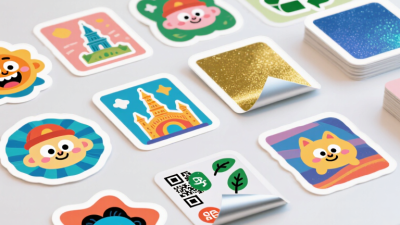
A Custom Sticker is more than a colorful label. It is a small, flexible communication tool made for a specific person, product, event, or brand. Its design may include a logo, illustration, message, shape, or carefully chosen finish. Printed on paper, vinyl, or specialty film, it can turn an ordinary package into a recognizable experience.
Andrew Witkin, President of StickerYou and a longtime custom-printing industry professional, once described the value of stickers this way: “Stickers are small, but they can create a lasting impression.” That idea explains why businesses use Custom Sticker products on shipping boxes, coffee cups, laptops, retail packaging, and promotional materials. Individuals use them for planners, water bottles, handmade goods, and personal decoration. Some are temporary. Others survive sunlight, moisture, and repeated handling.
Good results depend on practical choices, not only attractive artwork. The surface must be clean and suitable for the adhesive. Outdoor applications may require waterproof vinyl and UV-resistant ink. Fine lines can disappear when a sticker is printed too small. Matte finishes feel softer, while gloss finishes make colors appear brighter.
Small details matter.
However, custom stickers are not perfect for every situation. Adhesion can weaken on dusty, oily, rough, or heavily textured surfaces. Colors may also appear different on screen than in print. A sample test is wise, although it is easy to overlook during a rushed order. Understanding these limitations helps readers choose the right material, size, shape, and purpose before production begins.
What Is a Custom Sticker and How Is It Used?
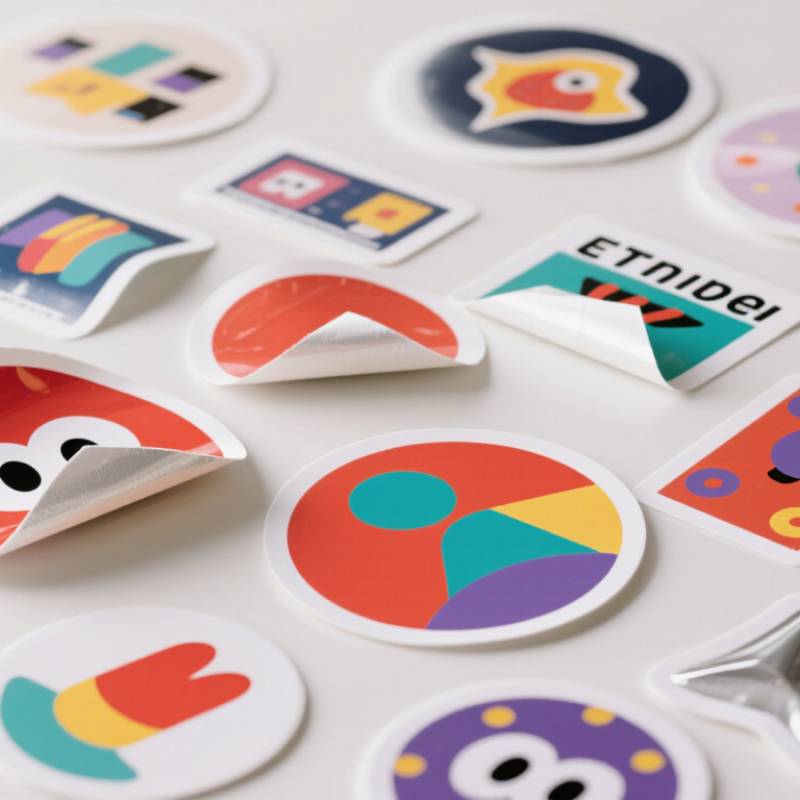
A custom sticker is a pressure-sensitive graphic made to specific artwork, dimensions, shape, and finish. Unlike a standard sticker, it can reflect a particular message, event, product, or personal idea. Key features include adhesive strength, surface compatibility, print clarity, weather resistance, and cutting accuracy. Materials may include paper, vinyl, or transparent film. Finishes can be matte, glossy, metallic, or textured.
Practical use begins with the surface. A smooth glass jar may need a different adhesive than a cardboard parcel. Outdoor stickers also require water-resistant material and ultraviolet protection. I have found that tiny lettering often looks clear on screen but fails after cutting. Test prints matter. A lot. According to Smithers’ 2024 report, the global printed labels market is expected to exceed 50 billion US dollars by 2028. This growth reflects continued demand for flexible, highly customized labeling and promotional graphics. Custom stickers support that demand through short production runs and rapid design changes.
Their uses range from packaging seals and product identification to event decoration, equipment marking, and customer inserts. A 2024 self-adhesive labels market analysis projects annual growth of around 5% through the decade. However, customization is not automatically effective. Excessive detail can weaken readability, while glossy surfaces may create glare under retail lighting. A reliable process checks color, adhesive performance, edge quality, and real-world handling before full production. Some designs still need revision after testing. That is normal.
| Dimension | Key Information | Typical Options or Examples | Practical Consideration |
|---|---|---|---|
| Definition | A custom sticker is a self-adhesive printed graphic produced according to a selected design, shape, size, material, and finish. | Logo-free artwork, illustrations, labels, icons, text, patterns, or informational graphics. | The design can be created for decorative, identification, instructional, promotional, or organizational purposes. |
| Primary Function | Custom stickers add visual information or decoration to a surface without requiring permanent printing or engraving. | Product labeling, packaging decoration, event identification, equipment marking, and personal expression. | The intended function should determine the material, adhesive strength, durability, and finish. |
| Customization Elements | Most design parameters can be adjusted before production. | Artwork, dimensions, contour, colors, wording, quantity, adhesive type, surface finish, and protective coating. | Consistent artwork and accurate measurements help maintain readability and visual quality. |
| Shape | Stickers may be cut into standard geometric shapes or follow the outer contour of the artwork. | Die-cut Kiss-cut Circle Square Rectangle | Contour-cut designs provide a more tailored appearance, while standard shapes are often simpler to arrange and apply. |
| Common Materials | The face material affects appearance, flexibility, water resistance, and durability. | Paper, coated paper, vinyl film, polyester film, and transparent film. | Paper is generally suited to indoor use; synthetic films are more appropriate where moisture or handling is expected. |
| Adhesive Type | The adhesive bonds the sticker to the chosen surface and may be designed for temporary or long-term use. | Removable adhesive, permanent adhesive, repositionable adhesive, and specialty adhesive. | Surface texture, cleanliness, temperature, and exposure to moisture can affect adhesion. |
| Surface Compatibility | Stickers commonly adhere to smooth, clean, dry, and non-porous surfaces. | Glass, plastic, metal, coated packaging, paperboard, notebooks, and smooth painted surfaces. | Dust, oil, rough texture, curved surfaces, and low temperatures may reduce bonding performance. |
| Print Appearance | Printed colors and surface finishes influence how the design looks under different lighting conditions. | Matte, gloss, satin, transparent, metallic-look, and high-contrast designs. | Matte surfaces reduce glare, while gloss surfaces can make colors appear brighter and more saturated. |
| Protective Finish | A protective layer can help reduce damage caused by abrasion, moisture, sunlight, or frequent handling. | Clear laminate, protective coating, or uncoated surface. | Protection is especially useful for stickers placed outdoors or on objects that are handled often. |
| Durability Factors | Sticker lifespan depends on material, adhesive, surface preparation, exposure, and handling frequency. | Indoor display, short-term event use, outdoor placement, refrigerated environments, or frequent cleaning. | No single sticker specification is suitable for every environment; exposure conditions should be assessed first. |
| Indoor Uses | Indoor stickers are commonly used where exposure to harsh weather and prolonged moisture is limited. | Packaging, folders, storage containers, notebooks, wall graphics, invitations, and organizational labels. | Paper-based materials may be sufficient for dry indoor applications. |
| Outdoor Uses | Outdoor stickers are selected for greater resistance to moisture, temperature changes, sunlight, and abrasion. | Outdoor equipment labels, signs, vehicle graphics, waste-sorting instructions, and recreational items. | Synthetic film and a suitable protective finish can improve performance in exposed locations. |
| Product and Packaging Uses | Custom stickers can communicate product information or add visual detail to packaging. | Warnings, handling instructions, decorative seals, batch identification, care information, and package closure. | Text should remain legible at the final viewing distance and fit within the available package area. |
| Organizational Uses | Stickers can support sorting, identification, inventory control, and visual communication. | Color-coded storage labels, room signs, asset markers, cable labels, and instruction symbols. | Simple layouts, strong contrast, and consistent placement improve recognition and reduce confusion. |
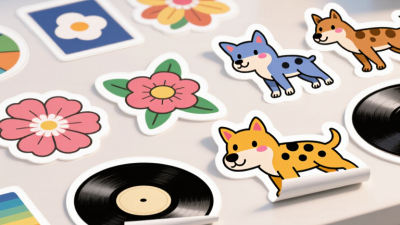
| Decorative Uses | Decorative stickers are applied to personalize objects or create visual themes. | Illustrations, patterns, quotes, icons, scrapbook elements, gift decoration, and laptop or notebook artwork. | The chosen adhesive should match whether the item may need to be cleaned, reused, or restored. |
| Application Process | Proper application helps prevent bubbles, wrinkles, lifting edges, and uneven adhesion. | Clean the surface, align the sticker, apply gradually from one edge, and smooth the surface. | Allowing the adhesive to bond without immediate rough handling can improve initial adhesion. |
| Removal | Removal depends on the adhesive type, surface condition, application time, and environmental temperature. | Peelable paper stickers, removable film stickers, or permanent stickers requiring careful lifting. | Testing a small area first can help reduce the risk of residue or surface damage. |
| Advantages | Custom stickers are lightweight, versatile, visually adaptable, and generally easy to distribute and apply. | Small-batch personalization, quick visual labeling, temporary decoration, and portable messaging. | They offer flexibility, but their performance is still limited by the selected material and application environment. |
| Selection Checklist | Choose specifications based on the design, surface, exposure, intended duration, and removal requirements. | Artwork clarity, size, shape, material, adhesive, finish, protective layer, and application location. | Matching each specification to the actual use case helps balance appearance, performance, and cost. |