2026 Top Shipping Labels Trends and Innovations You Need to Know?
In recent years, shipping labels have evolved significantly. New trends and innovations shape how businesses approach labeling. As we look towards 2026, it’s crucial to understand these changes.
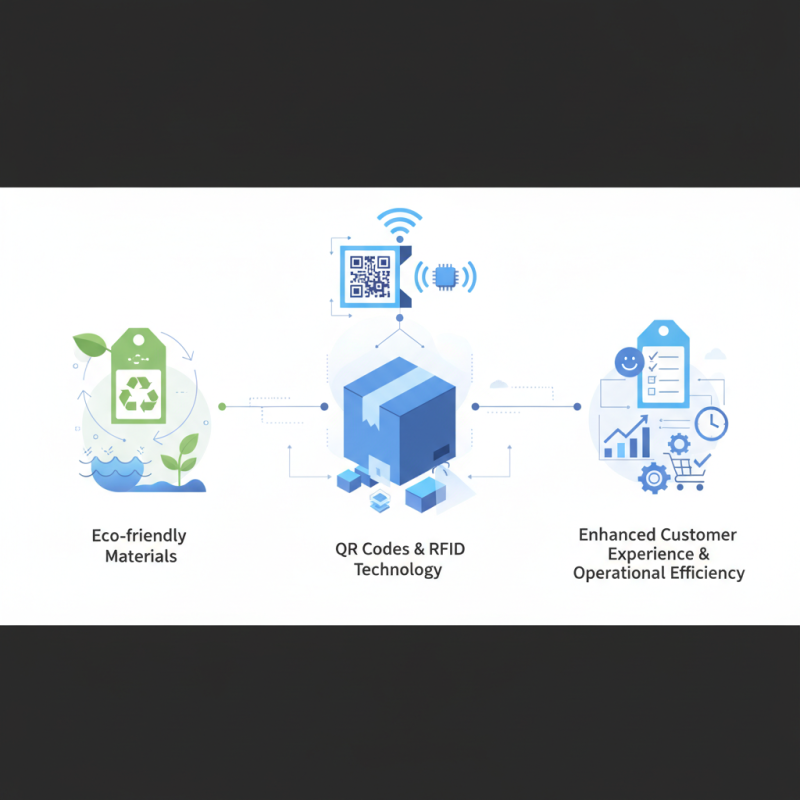
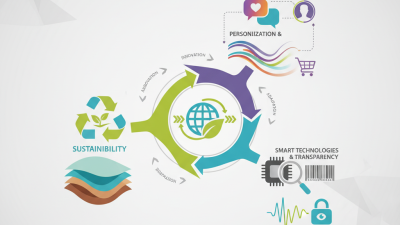
Shipping labels are more than mere identifiers. They convey vital information, enhance customer experience, and reduce operational errors. Businesses embracing these innovations improve efficiency. Some labels now feature QR codes or RFID technology. Others focus on eco-friendly materials, reflecting a shift towards sustainability.
However, adapting to these trends isn’t easy. Companies must invest time and resources. They must also train staff to handle new technologies. Many businesses might hesitate to change due to established practices. Yet, staying relevant in a competitive market requires willingness to innovate. Embracing the future of shipping labels can lead to improved processes and customer satisfaction.
Emerging Materials in Shipping Labels for 2026
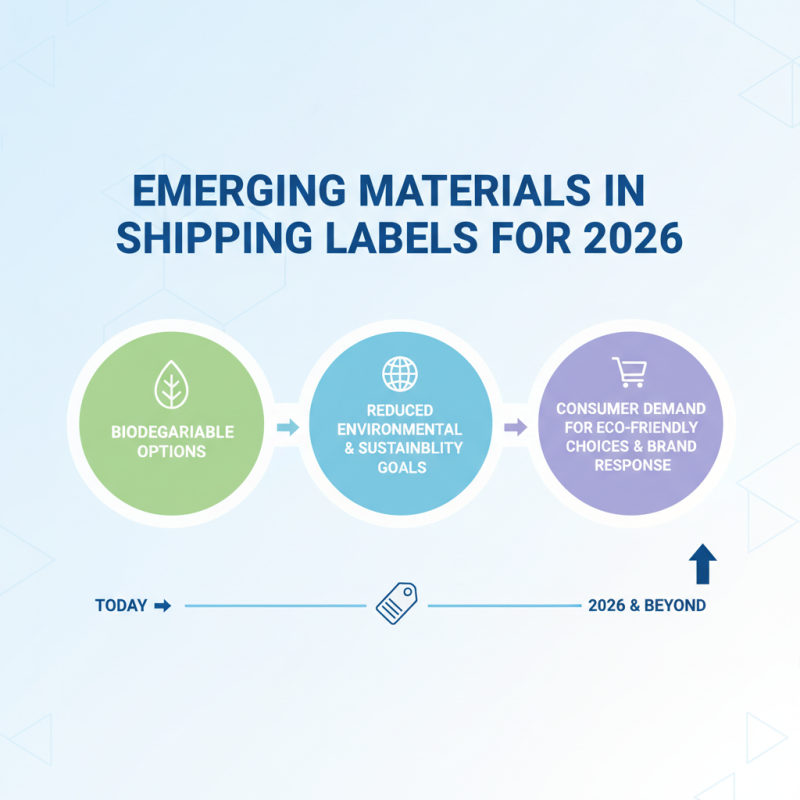
As we approach 2026, the landscape of shipping labels is evolving rapidly. Emerging materials are taking center stage, changing how we think about labeling products. Biodegradable options are gaining traction. These materials help reduce environmental impact and meet sustainability goals. Consumers are increasingly aware of eco-friendly choices. Brands are responding to this demand.
Recyclable adhesives are another innovation. They offer better performance while maintaining eco-credentials. These labels stick well on varying surfaces. Yet, recyclability often depends on local facilities' capabilities. This creates challenges that need addressing.
Smart labels are becoming commonplace. They integrate technology to provide real-time tracking. These labels enhance transparency in the supply chain. However, not all manufacturers can adopt this tech immediately. Budget constraints and technical expertise may hinder faster integration. Companies must weigh costs against the benefits of innovation.
Smart Technology Integration in Shipping Labels
Smart technology is revolutionizing the shipping labels industry. As more companies adopt advanced technology, labels are becoming more than just identification tools. Reports indicate that 75% of logistics firms are investing in smart labeling solutions. These innovations help improve tracking and increase efficiency.
Smart labels can include QR codes and NFC technology. These labels allow customers to interact with products instantly. They provide vital shipment information, enhancing the user experience. Data from the International Shipping Research Association shows that smart labels reduce misdeliveries by 30%. However, not all companies are ready to embrace this change. Some face challenges with integration and employee training.
Tips: Consider conducting a cost-benefit analysis before adopting smart technology. Assess your company’s readiness to handle this change. Training staff is crucial for a smooth transition. Regular feedback can help pinpoint areas that need improvement. Investing in smart labeling could yield significant returns in efficiency and accuracy. The future of shipping labels is bright, but companies must adapt wisely.
2026 Top Shipping Labels Trends and Innovations You Need to Know
| Trend/Inovation |
Description |
Impact on Shipping Industry |
Implementation Status |
| Smart QR Codes |
Enhanced tracking and customer engagement through scannable smart codes. |
Increases efficiency in tracking shipments and provides real-time updates to customers. |
In Use |
| Reusable Labels |
Eco-friendly labels designed to be reused multiple times. |
Reduces waste and production costs in the shipping process. |
Pilot Programs |
| Blockchain Technology |
Decentralized tracking systems for verifying authenticity and improving transparency. |
Enhances security in transactions and reduces fraud. |
In Development |
| Augmented Reality (AR) Labels |
Labels that provide AR experiences for enhanced product information. |
Improves customer interaction and education about products. |
Concept Stage |
| Smart Labels with Sensors |
Labels with integrated sensors to monitor temperature, humidity, and pressure. |
Critical for preserving goods during shipping and ensuring quality. |
Early Adoption |
Sustainability Trends in Shipping Label Production
Sustainability is reshaping the shipping label industry. Recent reports indicate that eco-friendly materials will dominate the market by 2026. About 75% of companies prioritize sustainability in their packaging practices. This shift reflects growing consumer demand for greener options.
Using biodegradable and recyclable materials reduces environmental impact. Many brands are opting for water-based inks and adhesives. These innovations align with eco-friendly practices. Data shows that sustainable packaging can enhance brand loyalty by 50%. However, challenges remain. Sourcing sustainable materials can still be cost-prohibitive for many companies.
Consumer awareness is rising. According to a survey, over 80% of shoppers prefer brands committed to sustainability. Companies need transparent messaging about their eco-initiatives. Investing in sustainable solutions is not just responsibility; it's a competitive advantage. Nonetheless, there is a risk of "greenwashing," where businesses make misleading claims. Authenticity is crucial in maintaining trust with consumers. The journey towards sustainability in shipping labels is ongoing and complex.
2026 Trends in Shipping Labels: Sustainability and Innovations
Personalization and Customization Options for Shipping Labels
Shipping labels are evolving rapidly. Personalization and customization are at the forefront of these changes. According to a recent report by Smithers Pira, 74% of consumers prefer brands that offer personalized experiences. This trend influences purchasing decisions, making personalized labels a vital area for businesses.
Custom shipping labels can incorporate unique designs, texts, and even QR codes. These features can enhance customer engagement and brand recall. For instance, a study from Packaging Strategies revealed that 60% of consumers feel more connected to brands that provide a personalized touch. This connection can lead to increased loyalty and repeat purchases. However, not all companies embrace this trend yet. Some struggle with the balance between cost and custom options.
Investing in technology to enhance label customization may require initial capital. Yet, the potential return on investment is significant. Businesses need to ask themselves: Are we keeping up with consumer expectations? If not, they might miss out on valuable market opportunities. As brands navigate these changes, understanding consumer preferences becomes essential for effective shipping label strategies.
Regulatory Changes Impacting Shipping Labels in 2026
In 2026, shipping labels will undergo significant changes due to new regulations. These regulations aim to enhance transparency and improve safety. Companies must adapt their labeling processes to ensure compliance. This requirement may lead to increased operational costs for some businesses.
The introduction of unique identifiers will be crucial. These identifiers will enhance traceability of packages throughout the supply chain. As part of compliance, labels may need to include more detailed product information. This change could lead to design challenges for many companies. Clarity and readability are paramount.
Companies may also need to invest in new printing technologies. This will help to accommodate dynamic labeling changes. The learning curve for staff could add to the complexity. Ensuring that everyone understands these new requirements is essential for a smooth transition. Overall, adaptability and innovation will be key in navigating these regulatory changes.


 +86-15362608169