2026 Best Thermal Paper Roll Options for Your Business Needs?
In the modern marketplace, choosing the right Thermal Paper Roll can significantly impact your business operations. Reports indicate that the demand for thermal paper is steadily increasing, with market growth projected at 5.4% annually through 2025. This trend underscores the importance of selecting the most suitable paper for your printing needs.
Many businesses rely on thermal paper for receipts, labels, and tickets. Poor quality thermal paper can lead to smudged prints, decreased durability, and customer dissatisfaction. A recent study revealed that businesses experience a 30% higher return rate when using low-grade thermal products. This makes it imperative to evaluate options carefully.
Understanding the characteristics of different thermal paper rolls is crucial. Factors such as thickness, coating, and thermal sensitivity can affect performance. Some brands promise exceptional durability, but not all deliver consistent results. Reflecting on your specific requirements will help you navigate these choices effectively. Making an informed decision can enhance efficiency and boost customer satisfaction in your operations.

Overview of Thermal Paper Rolls and Their Business Applications
Thermal paper rolls play a crucial role in various business applications. They are widely used in industries such as retail and hospitality. Point-of-sale terminals frequently rely on thermal paper for receipt printing. This method is fast and efficient, facilitating quick transactions. Many businesses have adopted thermal printing due to its reliability and ease of use.
In addition to receipts, thermal paper is also valuable for labels and tickets. Restaurants often print orders on thermal paper, ensuring accuracy and clarity. However, not all thermal paper is created equal. Some may fade or smudge under certain conditions, which can lead to frustrations. Businesses should take care to assess the quality of thermal paper they use. Testing different rolls can help identify the most suitable option for specific needs.
Temperature and humidity directly affect thermal paper performance. High heat can cause thermal prints to degrade over time. Business owners need to consider storage solutions carefully. Proper conditions can extend the lifespan of thermal documents. It's essential to balance cost and quality. Selecting the right product can minimize waste and improve overall efficiency in operations. Observing these factors can lead to better decision-making and product longevity.
Key Features to Look for in High-Quality Thermal Paper Rolls
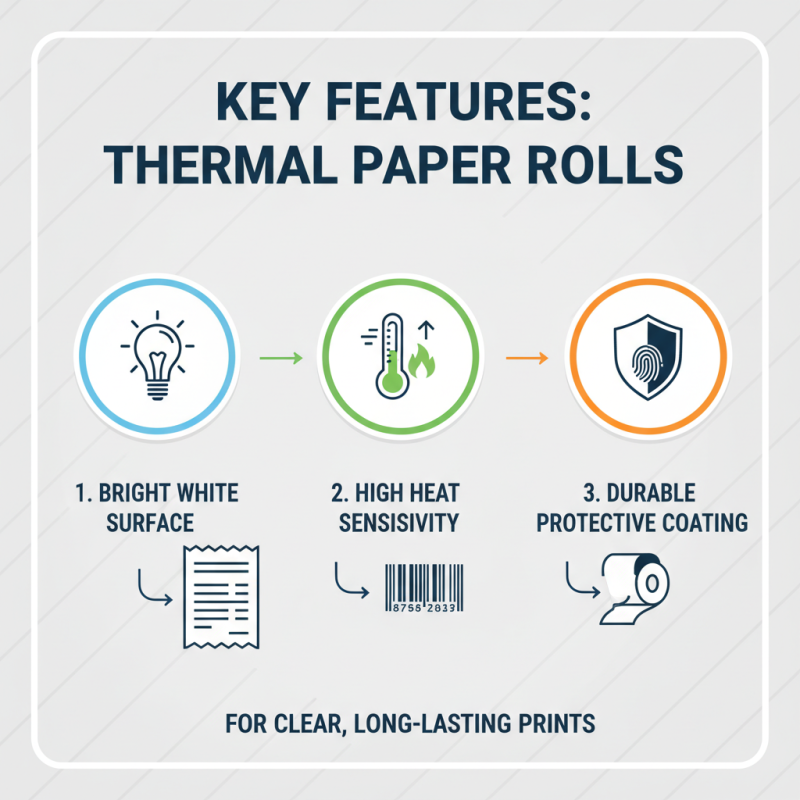
When choosing thermal paper rolls for your business, specific features matter significantly. Look for brightness levels. High-quality paper has a bright white surface. This enhances print visibility and clarity. Next is the sensitivity of the paper. The best rolls respond quickly to heat, providing crisp images that are easy to read. Check the coating as well; a durable coating prevents smudging and ensures longevity.
Consider the thickness of the rolls; thicker paper often provides better durability. It can withstand wear and tear in a busy environment. Roll width is critical too; ensure it matches your printer specifications. While many businesses focus solely on cost, it’s essential to think about total value. Lower-priced rolls may lead to frequent jams or subpar printing quality, leading to frustrations. This is a common oversight.
Environmental considerations shouldn't be ignored. Look for eco-friendly options that reduce waste. Yet, some eco-friendly papers may not perform as well in printing speed. Balance is crucial here. In a quest for quality, it’s easy to overlook the impact on efficiency. Keeping these factors in mind can lead to better decisions for your operational needs.
Comparative Analysis of Leading Thermal Paper Roll Brands
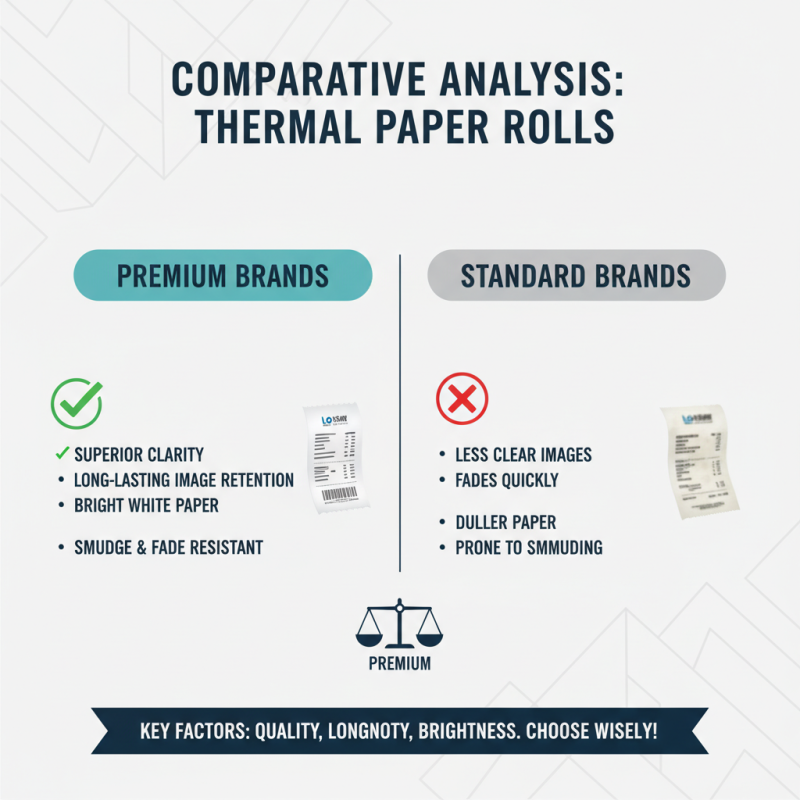
When evaluating thermal paper rolls, various brands present distinct features. It's crucial to analyze these options to meet specific business needs. Paper quality is a significant factor. Some rolls produce clearer images, while others may smudge or fade over time. Many users have reported dissatisfaction with longevity and brightness in some lesser-known brands.
Price and availability can also affect your choice. Certain brands offer bulk discounts, which help businesses save money. However, cheaper products sometimes compromise quality. Consistent supply is essential. A reliable source with good customer service ensures you do not run out unexpectedly. Be aware of variations in performance across different environments, such as high humidity or temperature changes.
User reviews highlight that many businesses struggle with consistency in roll size and compatibility. Thermal printers can be picky. A poor fit can lead to jams and wasted time. This reality underscores the importance of thorough research before making a decision. It's essential to weigh these factors carefully, as the right roll can enhance efficiency and customer satisfaction.
Cost-Effectiveness: Best Value Thermal Paper Roll Options
When it comes to thermal paper rolls, cost-effectiveness is a key consideration for businesses. Identifying the best value options can help you save money without sacrificing quality. Many businesses overlook the long-term costs associated with poor-quality paper. Using rolls that fade quickly or jam frequently increases operational costs.
Selecting the right thermal paper roll involves understanding your specific needs. Consider factors like size, durability, and print clarity. Quality rolls enhance the performance of your printers. They reduce maintenance time, allowing staff to focus on critical tasks. Lower-quality options often seem attractive due to their price, but they can be deceptive.
It's essential to look for reliability and expertise when comparing different thermal paper rolls. Researching reviews and recommendations can be beneficial. However, ensure that the information is timely and accurate. Impulse buying based on low prices may result in regret later. Balancing cost with quality ensures that you make an informed decision.
2026 Best Thermal Paper Roll Options
Environmental Considerations in Choosing Thermal Paper Rolls
When selecting thermal paper rolls, environmental factors play a crucial role. Many businesses overlook the sustainability of their products. Traditional thermal paper often contains harmful chemicals. These substances can be problematic for recycling and dispose of waste. It is important to choose eco-friendly options that reduce your business's environmental footprint.
Tips for making a responsible choice: Look for thermal paper with certified recycled content. Ask suppliers about their products' chemical content. Selecting BPA-free paper is a smart way to ensure safety for both customers and the environment.
Moreover, consider the entire lifecycle of the paper. Is it produced sustainably? Does it contribute to deforestation? Evaluating these questions can lead to better purchasing decisions. It's easy to focus solely on cost, but long-term impacts are crucial. Seeking out thermal paper with minimal environmental impact is not just ethical; it can enhance your brand's reputation.
2026 Best Thermal Paper Roll Options for Your Business Needs - Environmental Considerations in Choosing Thermal Paper Rolls
| Type |
Size (Width x Diameter) |
Thickness (Microns) |
Eco-Friendly Options |
Price Range (per roll) |
Typical Use Cases |
| Standard Thermal Paper |
80mm x 80mm |
55 |
No |
$0.10 - $0.30 |
POS Systems, Cash Registers |
| Thermal Receipt Paper |
57mm x 40mm |
60 |
No |
$0.05 - $0.20 |
Retail Receipts |
| Eco-Friendly Thermal Paper |
80mm x 80mm |
55 |
Yes |
$0.15 - $0.40 |
Sustainable Businesses, Eco-Conscious Retailers |
| Long-Life Thermal Paper |
80mm x 150mm |
50 |
No |
$0.20 - $0.50 |
General Use, Invoices |
| Self-Adhesive Thermal Paper |
100mm x 50mm |
65 |
No |
$0.25 - $0.60 |
Labels, Tags |


 +86-15362608169