China Top Adhesive Label Manufacturers and Their Best Products?
The adhesive label industry has seen remarkable growth. According to a recent market report, the global adhesive label market is projected to reach over $50 billion by 2027. This growth is fueled by rising demand across various sectors, including food and beverage, pharmaceuticals, and logistics.
In China, several top manufacturers lead the adhesive label market. Companies like CCL Industries and UPM Raflatac showcase innovative products that meet diverse needs. Their labels enhance branding while ensuring compliance with regulations, which is crucial in industries like food and pharmaceuticals. Innovative adhesive solutions are key to maintaining product integrity and consumer trust.
Despite this growth, challenges exist. Manufacturers face pressure to adapt to sustainability demands. Eco-friendly labels are increasingly important as consumers become more environmentally conscious. The market must continuously reflect on these evolving needs while striving for efficiency and quality in adhesive label production.

China's Adhesive Label Market Overview: Key Statistics and Trends
China's adhesive label market is rapidly growing. The demand for high-quality labels across various industries is increasing. In 2023, the market size is expected to exceed a significant milestone. More businesses are recognizing the importance of effective branding and packaging.
Key statistics show the popularity of eco-friendly materials. Many manufacturers are shifting towards sustainable options. This trend reflects a growing consumer preference for environmentally safe products. However, there are still challenges. Not all manufacturers have adapted to these changes. Quality control remains a concern in many production facilities.
Innovation is another vital aspect of the market. Advanced printing technology is enhancing label design and durability. Customization options are expanding, allowing brands to stand out. Yet, the market is highly competitive. Smaller companies often struggle to keep up with larger manufacturers. As the landscape evolves, adaptability will be crucial for long-term success.
China's Adhesive Label Market Overview: Key Statistics and Trends
| Label Type |
Market Share (%) |
Growth Rate (2020-2025) |
Key Application Areas |
| Pressure Sensitive Labels |
40 |
5% |
Food & Beverage, Pharmaceuticals |
| Shrink Sleeves |
25 |
7% |
Personal Care, Household Goods |
| In-mold Labels |
15 |
6% |
Beverages, Electronics |
| Thermal Transfer Labels |
10 |
4% |
Logistics, Retail |
| Others |
10 |
3% |
Various Industries |
Leading Adhesive Label Manufacturers in China: A Comparative Analysis
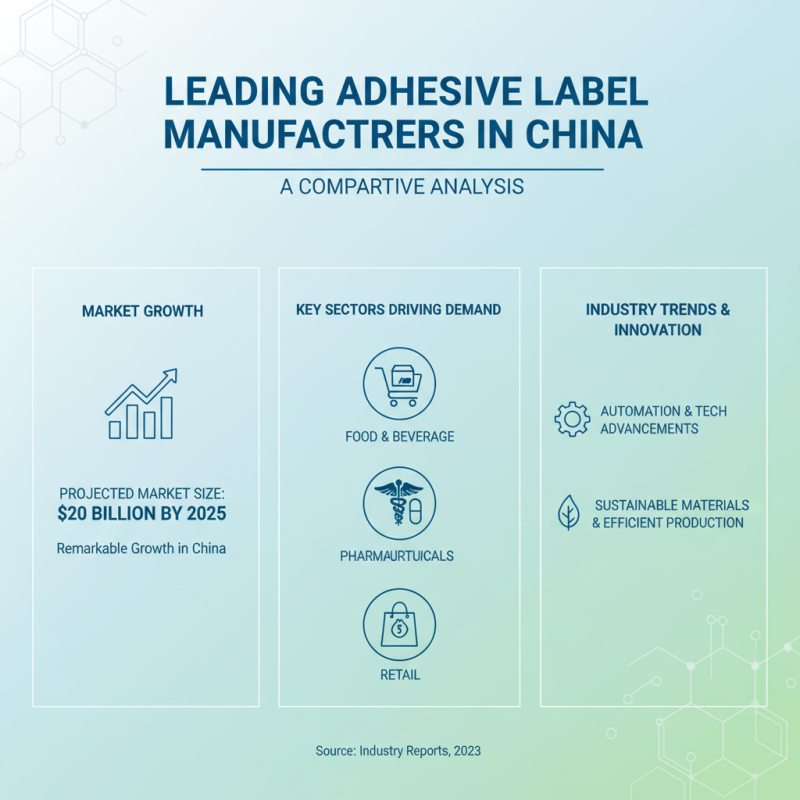
The adhesive label industry in China has seen remarkable growth. In recent reports, the market size is projected to reach approximately $20 billion by 2025. This growth reflects the rising demand in various sectors, including food and beverage, pharmaceuticals, and retail. The shift towards automation and technological advancements has further propelled the innovation of adhesive labels, leading manufacturers to focus on sustainable materials and efficient production methods.
A comparative analysis of major players shows diverse strategies and product offerings. Many manufacturers emphasize eco-friendly solutions, while others innovate with smart labeling technologies. Recent studies indicate that almost 30% of consumers prefer sustainable products, driving companies to invest in greener options. However, quality consistency remains a challenge for many firms. Variations in production processes can lead to significant differences in adhesive strength and durability. This inconsistency can affect brand reputation and customer loyalty.
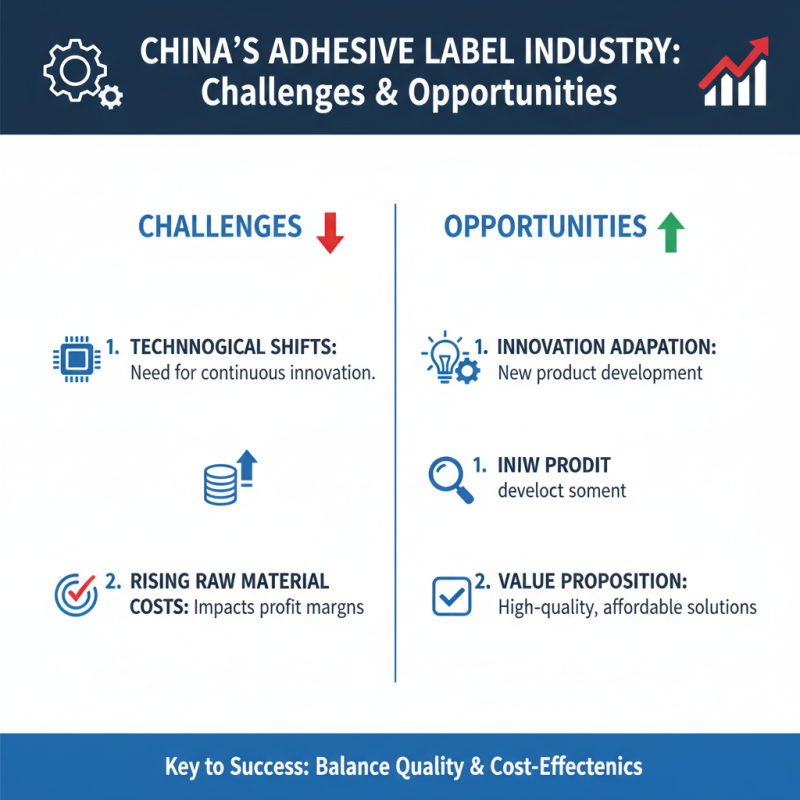
Manufacturers are also exploring new applications beyond traditional uses. Niche markets are emerging, driven by customizability and unique design requirements. Reports suggest that more than 40% of businesses are now opting for personalized label solutions. Despite these opportunities, stakeholders often grapple with supply chain disruptions and fluctuating raw material costs. This complicates the commitment to quality and sustainability in product offerings.
Top Adhesive Label Products: Features and Applications
Adhesive labels serve vital roles across various industries. They enhance product identification and promote brand recognition. Recognizing top features of adhesive labels is crucial for effective applications. Common options include paper, film, and thermal transfer labels. Each material offers unique benefits, influencing their usage.
Paper labels are widely used for packaging. They are cost-effective and can be printed in vibrant colors. In contrast, film labels are known for durability. They resist moisture and temperature fluctuations. Data shows that 30% of companies prioritize durability when selecting label materials. Thermal transfer labels provide high-quality outcomes. They are ideal for barcoding and logistics.
Industry reports indicate a growing demand for eco-friendly labels. An estimated 20% of consumers are willing to pay more for sustainable products. This trend pushes manufacturers to consider biodegradable options. Yet, adapting to sustainability challenges remains complex. Companies must balance cost and environmental impact. Ongoing innovations in adhesive technologies can help simplify this process. The future of adhesive labels may hinge on these advancements.
Innovations in Adhesive Label Technologies: Sustainability and Efficiency
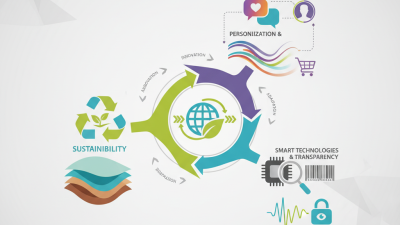
Innovations in adhesive label technologies focus significantly on sustainability and efficiency. Many manufacturers are developing eco-friendly materials that reduce environmental impact. For instance, water-based adhesives are gaining popularity. These adhesives are less toxic and biodegradable, making them a better choice for the planet. Using recyclable materials not only enhances sustainability but also appeals to environmentally conscious consumers.
Efficiency is another critical aspect. Advanced printing techniques, such as digital printing, allow for quicker turnaround times and lower waste. Brands can produce custom labels more rapidly, catering to specific market needs. However, these innovations raise questions about cost-effectiveness and scalability. Not all companies can seamlessly transition to these new technologies.
The challenge remains in balancing innovation with practical application. While advancements in adhesive label technologies are encouraging, companies must evaluate their feasibility. Achieving mass adoption without compromising quality or sustainability is essential for the industry's future. Therefore, ongoing research and development are vital. Continuous feedback loops within the industry can lead to refined practices and better solutions.


 +86-15362608169