10 Essential Tips for Creating Effective Shipping Labels
Shipping Labels play a crucial role in the logistics process. An effective label can mean the difference between a successful delivery and a frustrating return. Without clear information, packages can get lost, delays can happen, and customers may become unhappy.
Creating a well-designed shipping label is not just about aesthetics. It involves careful consideration of what information is displayed. Mistakes can lead to misdeliveries or even damaged goods. Simple errors can cause significant issues. It’s important to include the recipient’s name, address, and contact information. Yet, some labels fail to convey these securely.
Many businesses overlook the importance of tracking codes. These codes allow both the sender and receiver to monitor the package's journey. However, a missing or incorrect code can create confusion. So, investing time in creating effective shipping labels pays off. It protects your brand reputation and enhances customer trust. Remember, neat and accurate shipping labels reflect professionalism.

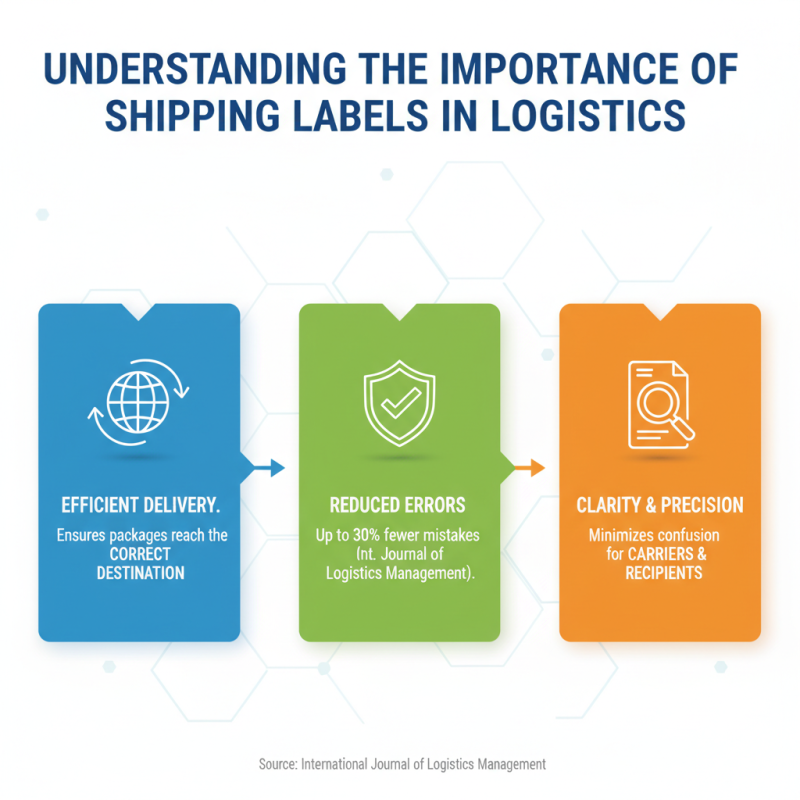
Understanding the Importance of Shipping Labels in Logistics
Shipping labels play a crucial role in logistics. They ensure packages reach the correct destination efficiently. According to a recent report by the International Journal of Logistics Management, accurate labeling reduces shipping errors by up to 30%. When labels are clear and precise, it minimizes confusion for carriers and recipients alike.
Labels should include essential information like tracking numbers and addresses. Omitting details can lead to delays. A survey from the Council of Supply Chain Management Professionals found that 25% of logistics professionals experience issues due to poor labeling. The consequences? Lost packages and increased operational costs.
It’s vital to regularly review and update shipping label practices. Many small businesses overlook this aspect. Industry standards evolve, and what worked last year may not suffice today. Improving labels can save time and money in the long run. A focus on clarity in shipping labels can strengthen a company's logistics strategy. This is an area where even experienced companies can always improve.
Choosing the Right Shipping Label Material for Your Needs
Choosing the right shipping label material is crucial for efficient delivery. Different materials serve various purposes, making it essential to select the one that fits your needs. For instance, paper labels are economical and great for general use. They work well for domestic shipments but can struggle with moisture.
For long distances and outdoor conditions, consider synthetic materials. These are more durable and resistant to weather changes. They won’t smudge or tear easily, providing clear and lasting information. It’s also worth mentioning the eco-friendly options available now. Biodegradable materials can help reduce waste, impacting the environment positively.
When choosing your label, reflect on storage conditions too. Labels should remain intact in your warehouse before use. Testing how well your labels adhere to different surfaces can save you hassle later. Sometimes, the right labels remain hidden behind trial and error. Investing time in understanding these options can streamline your shipping process.
Shipping Label Material Preferences
Key Information to Include on Your Shipping Labels
Creating effective shipping labels is more than just printing an address. Key information is essential for smooth delivery. Ensure you include the recipient's name, street address, city, state, and ZIP code. This is basic but crucial. Double-check for typos; they can lead to misdeliveries. Adding a return address can also be helpful. If a package cannot be delivered, it should come back to you.
Consider using clear fonts and bold text for visibility. Colors matter too. A dark text on a light background is easier to read. Include tracking numbers for updates. This transparency helps manage customer expectations. It’s frustrating when tracking isn’t available, and you feel lost.
Lastly, think about including a brief note inside the package. This shows you've put in extra effort. A simple "Thank you for your purchase!" can make a difference. Yet, sometimes we rush and forget these details. Taking the time to get it right will lead to better experiences and fewer headaches. Reflect on each shipment. What can you do differently next time?
Best Practices for Designing Clear and Readable Labels
Creating clear and readable shipping labels is essential for ensuring packages arrive safely and on time. According to a study by the National Institute of Standards and Technology, approximately 30% of packages are delayed due to label errors. When designing a shipping label, the first step is to use a legible font. Avoid overly stylized letters; they can lead to misreading important information.
Color contrast plays a crucial role in readability. A study from the MIT Media Lab indicates that high-contrast colors improve the speed of reading by 30%. For example, using dark text on a light background is often the most effective choice. Keep information concise. Use bullet points for addressing, and limit the text to key details. Shipping labels are not the place for lengthy descriptions.
Furthermore, ensure all necessary information is included: sender’s address, recipient’s address, and tracking number. Research shows that 20% of delivery failures happen due to missing or incorrect addresses. Still, even well-designed labels can face issues. Errors in printing can lead to smudged text or inadequate sizes, causing confusion in transit. Regularly reviewing label design practices can prevent these mistakes.
Ensuring Compliance with Shipping Regulations and Guidelines
Creating effective shipping labels involves understanding regulations. Many businesses overlook this crucial step. Ensuring compliance reduces delays and penalties. Shipping labels must include accurate addresses. A small mistake can lead to significant issues.
The size and format of labels are also vital. Guidelines often specify dimensions. Use clear fonts that are easy to read. Barcodes should be scannable and correctly placed. Yet, many still print labels without checking for clarity. This can cause frustration for postal workers and receivers.
Reviewing local and international guidelines can be daunting. It's easy to miss updates as regulations change frequently. Regular audits of your labeling process can help. Encourage feedback from staff about inconsistencies encountered. After all, an effective label not only complies but also facilitates smooth transactions.
10 Essential Tips for Creating Effective Shipping Labels - Ensuring Compliance with Shipping Regulations and Guidelines
| Tip Number |
Tip Description |
Importance |
Compliance Aspect |
| 1 |
Use Clear and Readable Fonts |
High |
Legibility |
| 2 |
Include Complete Shipping and Return Addresses |
Critical |
Address Accuracy |
| 3 |
Use Barcodes or QR Codes |
High |
Tracking |
| 4 |
Check Weight and Dimensions |
Critical |
Shipping Fees |
| 5 |
Ensure Proper Label Placement |
High |
Label Visibility |
| 6 |
Include a Return Label |
Medium |
Customer Service |
| 7 |
Use Water-resistant Labels |
Medium |
Durability |
| 8 |
Regularly Update Shipping Information |
High |
Regulatory Compliance |
| 9 |
Check for Prohibited Items |
Critical |
Legal Compliance |
| 10 |
Review Carrier Guidelines Regularly |
High |
Carrier Compliance |


 +86-15362608169