How to Create Personalized Vinyl Stickers for Any Occasion
Creating personalized vinyl stickers can be a fun and rewarding experience. These custom designs serve various purposes, from party decor to personalized gifts. Each sticker tells a story, revealing individual preferences and creativity.
Personalized vinyl stickers are perfect for any occasion. You can decorate your laptop, phone, or home with unique designs. The beauty of these stickers lies in their versatility. They can be customized with names, quotes, or images, making them truly special. Being able to express your identity through stickers can be empowering, yet it also invites reflection.
While the process may seem straightforward, it has its challenges. Choosing the right materials is crucial. Not every vinyl works for every surface. Research is important. Exploring different designs might feel overwhelming at times. Still, with practice and patience, you’ll improve. Personalized vinyl stickers can enhance your life; they reflect who you are or what you value. Dive into this creative journey and let your imagination run wild.
Choosing the Right Materials for Vinyl Stickers
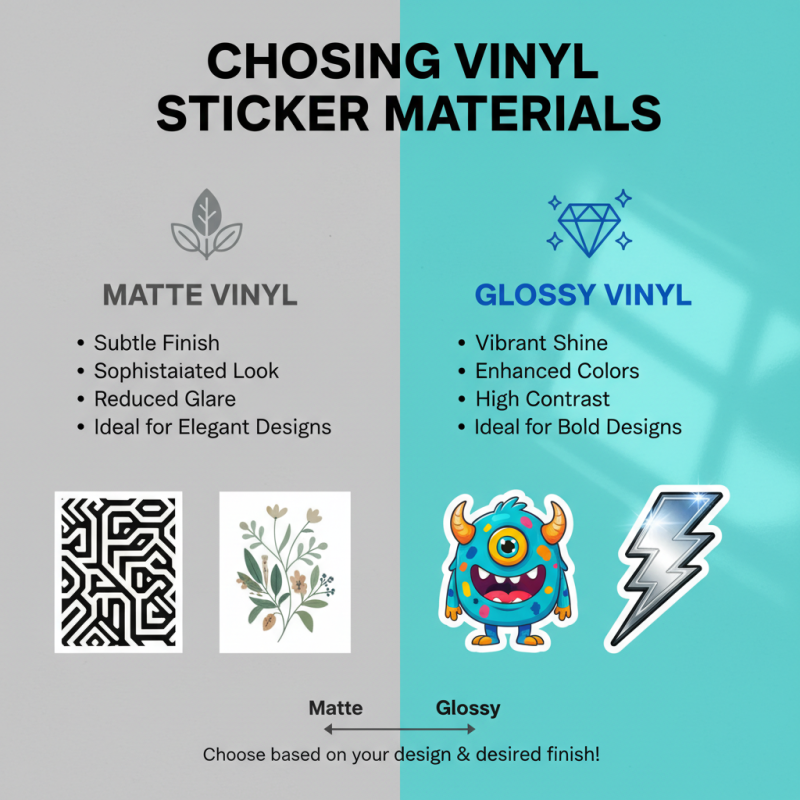
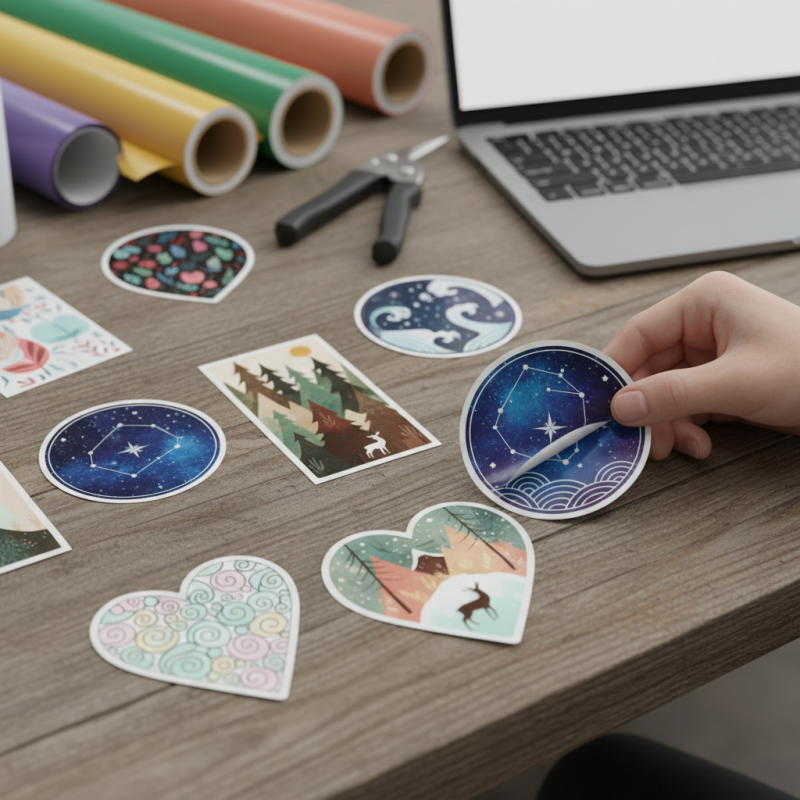
When creating personalized vinyl stickers, selecting the right materials is crucial. High-quality vinyl will ensure durability. There are two main types of vinyl: matte and glossy. Matte vinyl has a subtle finish and is great for a sophisticated look. Glossy vinyl, on the other hand, offers a vibrant shine and enhances colors. Consider your design before making a choice. Some colors may pop better on glossy surfaces, while others might look more elegant on matte.
In addition to the vinyl type, consider the adhesive quality. Permanent adhesive works well for surfaces that need long-lasting stickers. Removable adhesive is better for temporary applications. This choice reflects your intention. If you're uncertain, test a small sample first. A wrong choice can lead to frustration.
Don't skip over cutting techniques and equipment. High-quality cutting machines can make a difference in precision. Ensure your blade is sharp to avoid jagged edges. Even the best designs can fall flat with poor execution. Mistakes can happen. But with practice, you will improve. Keep a notebook to track your learnings and refine your future projects.
Designing Your Custom Artwork: Tips and Tools
Creating personalized vinyl stickers requires a thoughtful approach to design. When embarking on this creative journey, selecting the right tools is essential. Graphic design software such as Adobe Illustrator or free alternatives like Canva can help turn your ideas into visually striking artwork. According to a recent Nielsen report, 58% of consumers prefer to engage with custom designs rather than generic ones. This reinforces the importance of unique stickers that resonate with individual tastes.
When designing your stickers, focus on color schemes, fonts, and imagery that align with your chosen theme. Research indicates that well-chosen colors can increase brand recognition by up to 80%. Opt for high-resolution images for crisp prints. However, make sure to avoid overly complicated designs. Sometimes, simplicity brings out the elegance. Designing can be experimental, so don’t shy away from mistakes. Reflect on what didn’t work and refine those elements. This iterative process is part of honing your artistic skill.
Moreover, try printing small batches to evaluate your designs. A product's first impression is vital, especially in the crafting community. A survey by Statista reveals that nearly 70% of consumers value quality over quantity in custom items. By focusing on design quality, you elevate your sticker game. Fine-tuning your approach leads to better outcomes, ensuring your stickers truly stand out in any situation.
Annual Sales of Personalized Vinyl Stickers (in $)
Cutting Techniques: How to Accurately Shape Your Stickers
When creating personalized vinyl stickers, cutting techniques play a crucial role. Accurate shaping requires the right tools and methods. Many creators use cutting machines, which allow for precise designs. According to a report from Statista, the global market for vinyl cutting equipment is expected to reach $2.11 billion by 2026. This growth indicates a rising demand for high-quality stickers.
The method you choose impacts the final product significantly. Consider using a craft knife for intricate designs. These knives offer control but require steady hands. On the other hand, plotter cutters provide efficiency for larger batches. A study by Research and Markets suggests that automated cutting tools improve accuracy by over 30%. This efficiency is important, especially for custom orders.
Experimenting with various materials can also enhance your sticker-making process. Vinyl film, for example, comes in different finishes like glossy, matte, or transparent. Each type behaves uniquely during cutting. It's not unusual to encounter issues like uneven edges or peeling. Addressing these imperfections demands patience and practice. Continuous learning in cutting techniques will improve your skills over time, leading to better results.
Applying and Sticking Your Vinyl Stickers Correctly
Applying and sticking your vinyl stickers correctly is crucial for achieving the best results. Begin by preparing the surface. Make sure it is clean and dry. Dust, grease, or moisture can cause issues. Wipe down surfaces with rubbing alcohol for a thorough clean. A smooth surface will ensure your stickers adhere better.
Once your surface is prepared, peel back the backing of the sticker carefully. Avoid touching the adhesive side. Position the sticker lightly, ensuring it’s where you want it. This step allows you to adjust before firmly applying it. Press down gently from the center outwards. This technique helps avoid bubbles. If bubbles do occur, use a pin to pop them. Then, smooth them out with a soft cloth.
Don't rush this process. Take your time to align the stickers perfectly. If it doesn't stick right the first time, don’t be discouraged. You can gently peel it back and try again. Practice will improve your technique. Remember, imperfections can add character to your project. Learning to apply vinyl stickers is a skill, and every attempt is a step towards mastering it.
Caring for Your Stickers: Tips for Longevity and Maintenance
When it comes to enjoying your personalized vinyl stickers, proper care is essential for their longevity. Start by storing your stickers in a cool, dry place away from direct sunlight. Sun exposure can cause fading and damage over time. If you plan to display your stickers outdoors, choose a location that offers some shade. This simple practice can save your designs from premature wear.
Cleaning your stickers is another important aspect of maintenance. Use a soft, damp cloth to gently wipe away dust and dirt. Avoid using harsh chemicals or abrasive materials. These can scratch the surface and diminish the sticker's vibrant appearance. If a sticker starts to peel at the edges, don't panic. Carefully press it back down using your fingers. This small adjustment can often restore its look.
While vinyl stickers are durable, they aren't invincible. Overly rough surfaces can lead to scratches and tears. Remember, even the best care won't guarantee a perfect lifespan. Reflect on the wear and tear of your favorite stickers; this can help you appreciate their uniqueness. Regularly check the condition of your stickers. This helps you make informed decisions about replacements or repairs. Enjoy your creations, but remember—care and attention are key to their lasting beauty.
How to Create Personalized Vinyl Stickers for Any Occasion - Caring for Your Stickers: Tips for Longevity and Maintenance
| Dimension |
Details |
| Material |
Vinyl |
| Surface Finish |
Matte, Glossy |
| Usage |
Indoor & Outdoor |
| Size Options |
Small (1-3 inches), Medium (4-6 inches), Large (7+ inches) |
| Printing Method |
Digital Printing |
| Tip for Longevity |
Keep away from direct sunlight |
| Maintenance |
Wipe clean with a damp cloth |
| Water Resistance |
Yes, water-resistant options available |
| Application Type |
Peel and Stick |


 +86-15362608169