message

What Are the 2026 Top Personalized Sticker Trends?

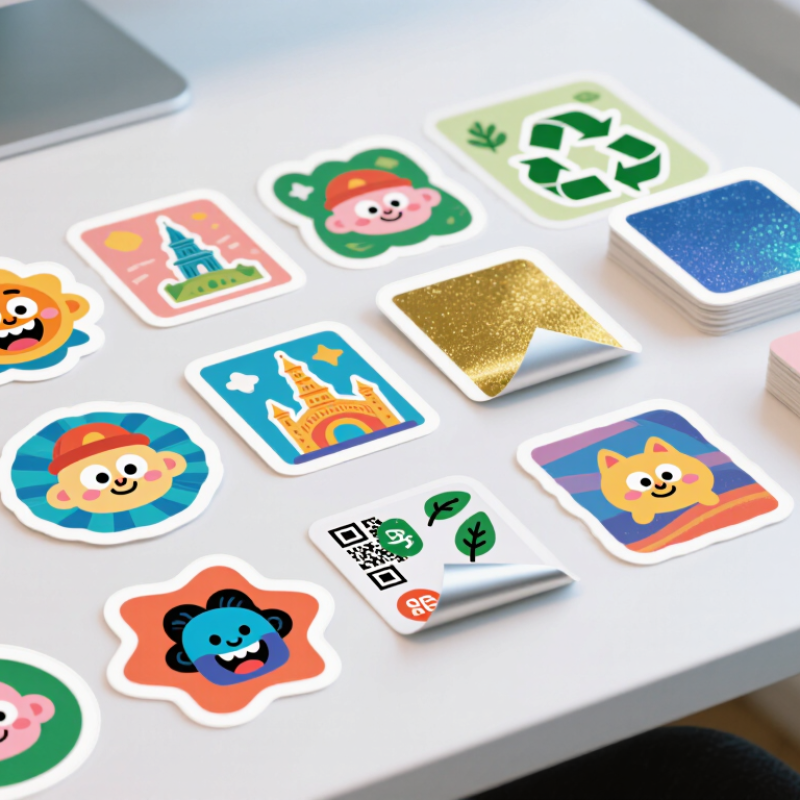
What will make a sticker feel personal in 2026? The answer may be smaller, smarter, and more tactile than many brands expect. Stickers Personalized are moving beyond simple names and logos. New designs are likely to combine custom illustrations, flexible shapes, textured finishes, and scannable digital features. A matte sticker may sit beside a raised metallic label. A tiny code may open a product story, artist profile, or loyalty reward.

Andrew Witkin, president of StickerYou, has described stickers as “a small, affordable billboard.” That idea still matters, but the billboard is becoming more individual. Customers now expect artwork that reflects their humor, identity, interests, and local culture. They also notice practical details, including adhesive strength, color accuracy, waterproof coatings, and recyclable materials. A sticker that curls after one rainy day has not succeeded.

The strongest 2026 trends will probably balance expression with evidence. Designers may use artificial intelligence for early concepts, while human review protects originality and emotional relevance. Personalization tools could produce thousands of variations, yet too many options may confuse buyers. That weakness deserves attention. More choice is not always better.

This guide explores the leading personalized sticker trends for 2026, from interactive formats to eco-conscious materials. It considers what customers may actually use, share, and keep. Predictions can miss. Market signals, production testing, and customer feedback offer a more reliable path.
What Are the 2026 Top Personalized Sticker Trends?

What Defines Personalized Sticker Trends in 2026?

In 2026, personalized sticker trends are defined by useful identity, not decoration alone. People want designs that reflect names, hobbies, locations, and changing moods. A small name sticker on a water bottle can feel more personal than a crowded illustration. Custom typography is becoming important, especially for bilingual users and people with accessibility needs. Clear contrast matters. So does readability.

Experience from small creative projects shows that buyers often revise a design after seeing a physical proof. Screen colors can look brighter than printed ink. Matte finishes hide fingerprints, while transparent vinyl makes layered graphics appear lighter. Durable, weather-resistant materials remain popular for laptops, helmets, and notebooks. Personalization now includes shape, finish, size, and placement. Automated design tools can suggest layouts, yet human review still catches awkward spacing and misspelled names. That step is easy to skip.

Personal data also needs restraint. QR codes, dates, and location details can add meaning, but private information deserves careful handling. Some people may prefer initials or symbols instead of full names. Sustainable production is influencing choices too, including smaller print runs and recyclable packaging where practical. However, “eco-friendly” should not become a vague label; material claims need evidence. I still find some highly customized stickers too busy. A perfect design may leave something out. In 2026, trust, legibility, and honest customization will shape what feels current.
Which Designs, Themes, and Visual Styles Are Gaining Popularity?

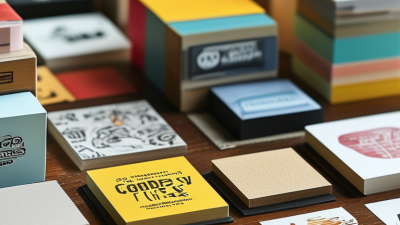
In 2026, personalized stickers are moving toward designs that feel specific, tactile, and emotionally useful. Custom names remain popular, but buyers increasingly add small details, such as birth flowers, pet expressions, favorite foods, or local scenery. These elements make a sticker feel collected rather than mass-produced. I have noticed that customers respond strongly to designs resembling handwritten notes, ticket stubs, and tiny journal labels.

Soft illustrations are gaining attention, especially rounded characters, watercolor textures, and slightly uneven linework. Perfect geometry still has a place, but handmade imperfections often feel warmer. Pastel palettes are expanding into earthy orange, misty blue, olive green, and muted lavender. Transparent layers and subtle grain also create depth on bottles, notebooks, and phone cases. Small text works well, though overly thin lettering can disappear after printing.

Themes are becoming more personal and less decorative. Everyday routines, quiet hobbies, seasonal memories, and gentle humor appear frequently. Nature-inspired motifs remain strong, but they now include moss, clouds, mushrooms, balcony plants, and rain-streaked windows. Sustainable materials influence visual choices too, encouraging simpler shapes and restrained color use. Some designs still look crowded when every interest is added. That is worth reconsidering. A sticker usually becomes more memorable when one clear idea receives enough space.

How Are AI and Digital Tools Shaping Sticker Personalization?

AI and digital tools are making sticker personalization faster, but good results still depend on human choices. A customer can upload a pet photo, remove its background, and test several outlines before printing. Generative tools can suggest color palettes or turn a rough sketch into a cleaner illustration. Digital previews also reveal whether tiny lettering will remain readable on a laptop or water bottle.

McKinsey’s 2024 global survey found that 65% of respondents’ organizations regularly used generative AI in at least one business function. That figure describes business adoption, not sticker sales, but it signals how quickly creative workflows are changing.

For sticker makers, AI can shorten concept development and help adapt one design for different sizes. Still, check the edges. Automated cutlines may clip whiskers, thin borders, or small text. A practical workflow keeps the original artwork, reviews print resolution, and checks a physical sample under ordinary light.

Personalization can feel more meaningful when buyers control details such as finish, shape, and wording. Yet too many options can make choosing harder; a simpler editor may serve customers better.

What Materials, Formats, and Applications Are Trending?

What Are the 2026 Top Personalized Sticker Trends?

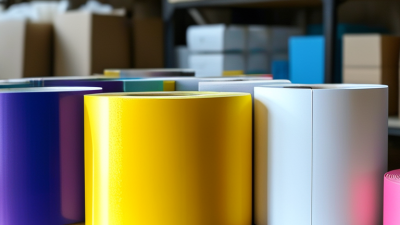
In 2026, material choices are becoming more practical and environmentally aware. Recycled paper remains popular for planners, envelopes, and short-term packaging. Small details matter. Textured paper adds a handmade feel without expensive finishing. Clear films create a clean look on glass, boxes, and smooth devices. Waterproof synthetic materials suit bottles, outdoor tools, and shipping labels. However, “eco-friendly” should not be accepted without checking recycling rules and adhesive composition.

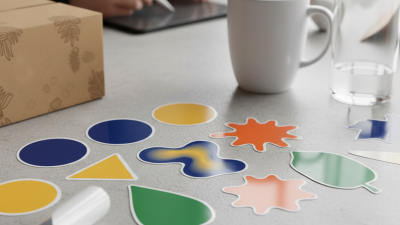
Formats are also changing. Die-cut stickers offer strong visual recognition, while kiss-cut sheets help users organize several designs. Mini stickers work well for journals, product seals, and thank-you cards. Larger window decals are gaining attention for temporary promotions and event decoration.

Removable adhesives are useful when surfaces must stay clean. In my experience, a sticker that peels poorly can damage trust faster than a weak design. Testing remains essential. Check adhesion, color stability, moisture resistance, and removal time before producing in volume.

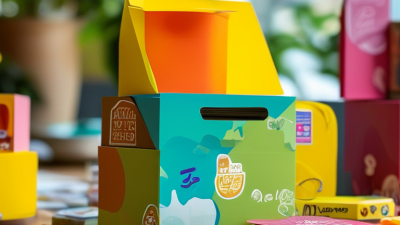
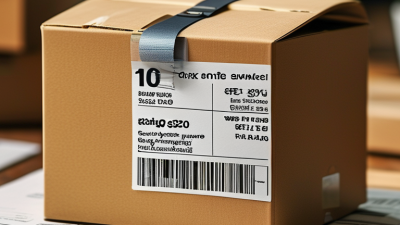
Applications are expanding beyond personal decoration. Small businesses use personalized stickers on parcels, sample boxes, and appointment cards. Creators place them on packaging inserts and loyalty materials. Schools and community events use name labels, badge seals, and themed activity sheets. QR codes may connect printed stickers with digital instructions, but they need enough contrast and space. Not every trend will last. Some highly detailed designs look impressive online but become unreadable after printing, so careful sizing and real-surface testing should guide the final choice.

How Can People Choose the Right Personalized Sticker Trend?

Choosing a personalized sticker trend in 2026 starts with purpose, not popularity. A journal may suit layered collage stickers, tiny icons, and handwritten-style lettering. A laptop can carry bold die-cut shapes or reflective details. For packaging, soft gradients and tactile finishes may feel current, but readability matters more than novelty. Keep the message clear.

Test a sample before ordering a large batch. I usually place it on the real surface for several days. Check peeling edges, color changes, and whether fingerprints dull the finish. Waterproof vinyl works well for bottles and outdoor containers, while paper suits notebooks and short-term events. This practical check prevents attractive designs from becoming waste. It is easy to overlook.

Personalization should reflect the user, not only the trend. Choose colors that match the recipient’s habits, age, and setting. A busy holographic effect may excite one person and annoy another. Consider raised textures for visual interest, but avoid them when the sticker must fit inside a pocket or planner. Add names, dates, or small symbols only when they improve recognition. Too much detail weakens the design. I still make that mistake sometimes. Ask about removal, too. A strong adhesive is not always the best choice. Compare materials, finishes, sizes, and production limits before deciding. A simpler sticker may remain useful longer.