2026 Top Trends in Customized Labels for Every Business Need?
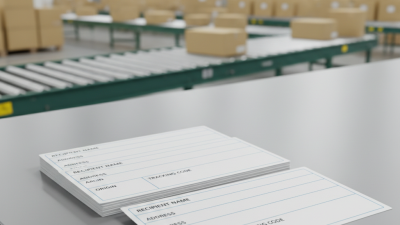
In today's market, customization is key to standing out. Customized Labels play a crucial role in branding and product differentiation. As industry expert Sarah Thompson, CEO of Label Innovations, states, "Customized Labels can transform the perception of a product." Businesses must embrace this trend in 2026.
The evolution of Customized Labels reflects changing consumer preferences. Vibrant colors and unique designs attract attention in a crowded marketplace. Yet, many companies still underestimate their potential. It's not enough to just place a label on a product; it should convey a story. Tailored designs can create a personal connection with customers, enhancing brand loyalty.
However, some businesses struggle with implementation. Finding the right balance between creativity and brand identity can be challenging. The need for high-quality materials and print techniques makes it necessary to reflect on the entire process. Choosing the right partner for Customized Labels may require time and effort, but the payoff can be substantial. Embracing these trends might indeed redefine business success in the evolving market landscape.
Emerging Technologies Shaping Customized Labels in 2026
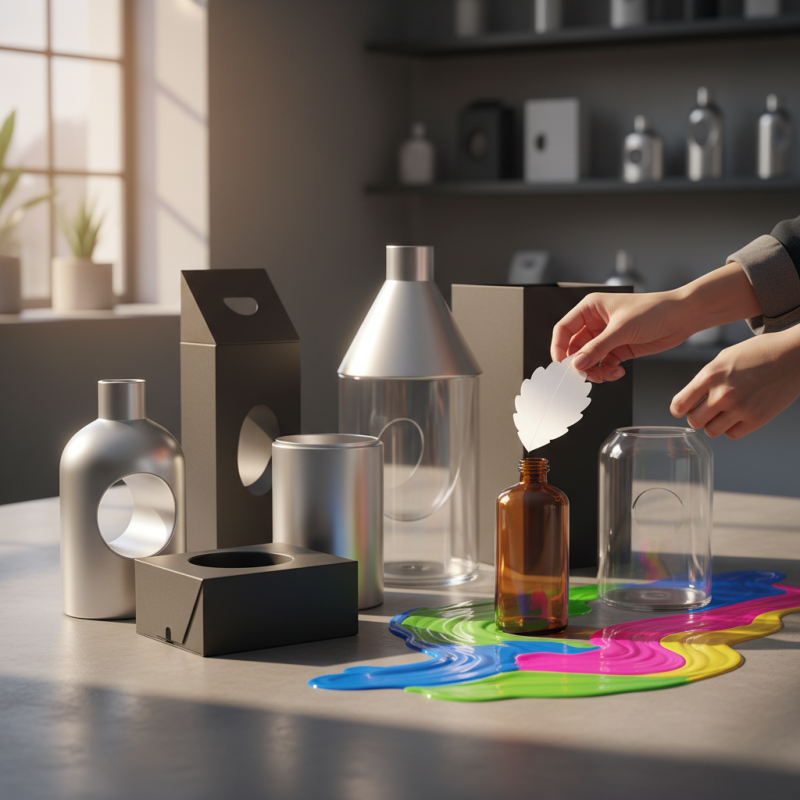
In 2026, the landscape of customized labels is evolving at a rapid pace. Emerging technologies are paving the way for businesses to tailor their labels in unique ways. Digital printing technology is one of these advancements. It allows for short production runs without sacrificing quality. This is a game-changer for small businesses that need flexibility.
Utilizing augmented reality (AR) in labels is another trend. Imagine scanning a label and seeing product information or promotional videos. This not only enhances customer engagement but also boosts brand storytelling. However, implementing AR can misfire if not done correctly. A poorly designed AR experience might frustrate customers instead of engaging them.
**Tip:** Always test your AR features with a focus group. Ensure the experience enhances your product's appeal.
Sustainability is also influencing label designs. Eco-friendly materials are on the rise, appealing to environmentally conscious consumers. Yet, businesses must be cautious. Not all "green" labeling solutions are created equal. Poor-quality materials can lead to labels that don’t stick or fade easily.
**Tip:** Research thoroughly before switching to sustainable options. Quality should never be compromised for the sake of being green.
Trends in Sustainable Materials for Eco-Friendly Label Production
Sustainable materials are gaining popularity in label production. Eco-friendly options are essential for businesses aiming to reduce their environmental impact. These materials often include recycled paper, biodegradable films, and plant-based inks. Each choice carries different sustainability levels. It’s crucial to understand what each option offers.
Many companies still rely on traditional materials. This reliance can hinder progress toward eco-friendliness. Some labels made from plastic can take decades to decompose. However, adopting sustainable practices is not without challenges. Businesses may encounter higher costs or limited availability. It's a balancing act that requires thoughtful consideration.
Custom labels can already convey messages visually. Using sustainable materials heightens this impact. Customers often appreciate brands that are eco-conscious. Still, it’s essential to communicate the shift effectively. Marking the change on the packaging can foster trust. The evolving landscape of customized labels reflects a broader commitment to sustainability.
Personalization Techniques Driving Customer Engagement in Labeling
In today's competitive market, personalization techniques are transforming label designs. Businesses are beginning to realize that customized labels can significantly increase customer engagement. Simple text changes or unique colors can set a product apart from the competition. Customers like to see variations that resonate with their identity. This resonates with their personal values and preferences.
Using images or symbols relevant to specific demographics can enhance a label's appeal. For instance, eco-friendly labels attract environmentally conscious customers. This connection is powerful and builds brand loyalty. However, businesses must remain mindful. Not all personalization efforts click with consumers. Missteps can alienate potential buyers rather than attract them. Selecting the right personalization elements requires careful research and testing.
Engaging customers through labels also involves interactivity. QR codes or augmented reality can take label engagement to new heights. This can provide additional product information or special promotions. Yet, not all consumers are tech-savvy. Businesses should consider simplicity alongside innovation. Finding that balance is key for an effective strategy.
2026 Top Trends in Customized Labels
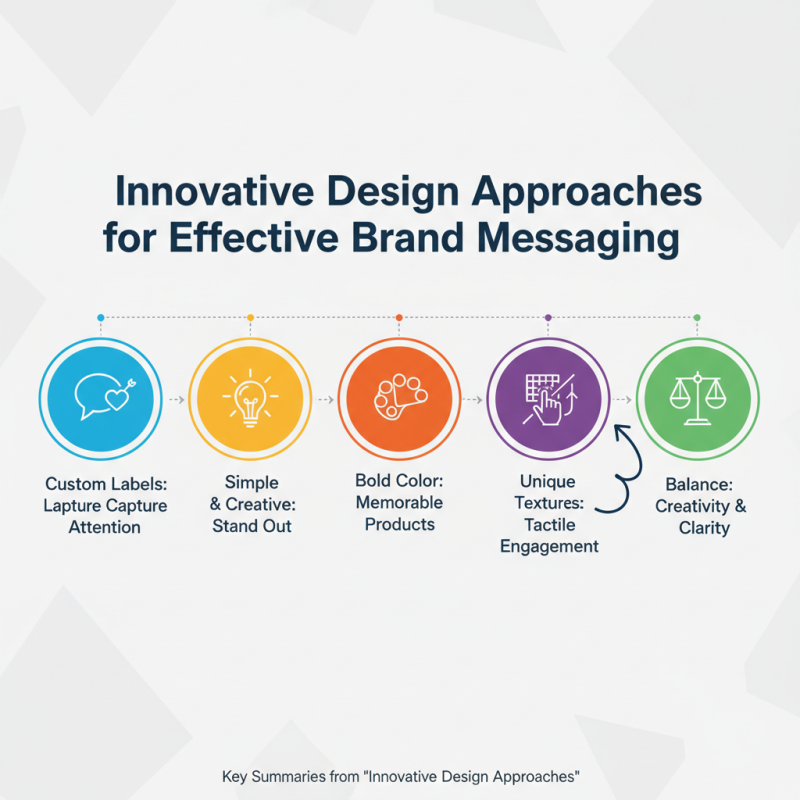
Innovative Design Approaches for Effective Brand Messaging
In the evolving landscape of brand messaging, innovative design plays a crucial role. Customized labels can capture attention and convey messages effectively. Simple yet creative designs stand out. A bold color choice can make a product memorable. Unique textures add a tactile element, inviting customers to engage. However, sometimes these designs miss the mark. It’s essential to balance creativity with clarity.
Minimalistic approaches often lead to confusion. A label overloaded with information may dilute the message. The trick is to blend art with functionality. Every detail should serve a purpose. Clear fonts and straightforward layouts help. Yet, there's a beauty in imperfection. Slight asymmetries can make a design feel more human. Experimentation can lead to unexpected results. Testing various designs is key to finding the perfect balance.
Branding isn’t static; it evolves. Listening to customer feedback is vital. Labels should not only appeal visually but also resonate emotionally. Sometimes an overly polished design lacks authenticity. Real connections come from designs that tell a genuine story. Brands must reflect their values, even if it means embracing imperfections. Creativity thrives in a space where reflection and adjustment coexist.
Regulatory Changes Impacting Customized Label Compliance and Safety
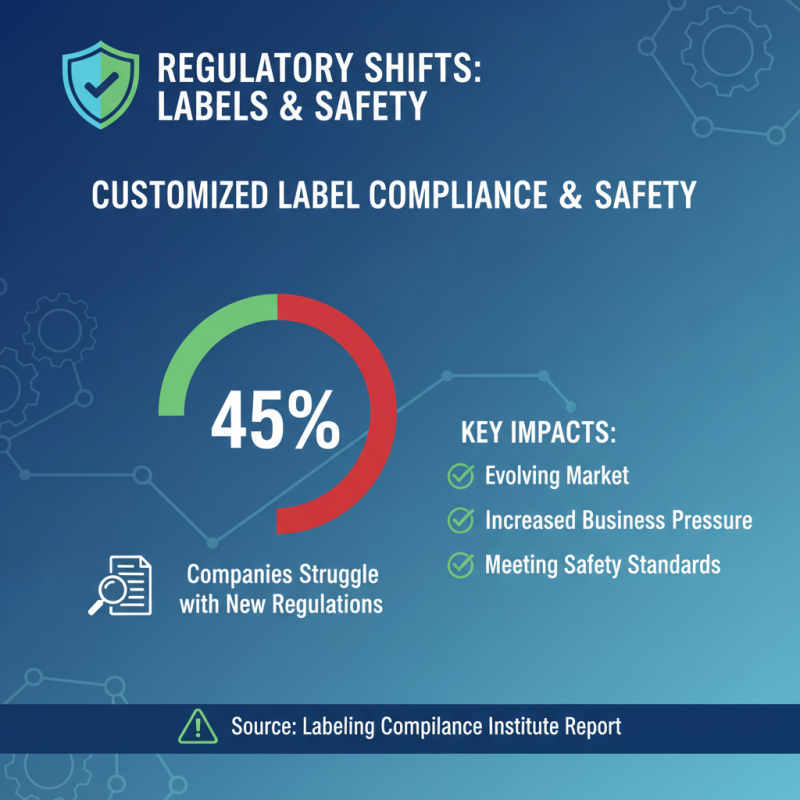
In today's rapidly evolving market, regulatory changes are dramatically impacting customized label compliance and safety. According to a recent report from the Labeling Compliance Institute, nearly 45% of companies struggle to keep up with new regulations. This places increased pressure on businesses to ensure their labels meet all safety standards.
Many states have introduced stricter requirements for ingredient transparency. Companies that fail to adapt risk hefty fines and damaged reputations. For instance, data from the Food and Drug Administration (FDA) indicates that products lacking proper labeling can lead to a 30% drop in consumer trust. Consumers are more informed than ever; they demand transparency and safety in every product they purchase.
Moreover, customized labels also face challenges in global markets. Different countries have varying regulations. Custom label solutions must be flexible enough to adapt accordingly. A survey found that 63% of businesses are unaware of the label requirements in foreign markets. This knowledge gap can result in serious compliance issues. As businesses navigate these intricate regulations, continuous education and updated labeling strategies remain imperative.


 +86-15362608169