

 +86-15362608169


Industry News



The Past and Present of the Printing and Packaging Industry
2025-11-18
Ten years ago, the printing and packaging industry was centered on "capacity-driven", with small and medium-sized workshop-style enterprises taking the lead. Products were highly homogeneous, and competition was mostly concentrated on the price level. The high-end market is dominated by foreign brands, while domestic enterprises mostly undertake low-end processing links, with extrmely low added value.
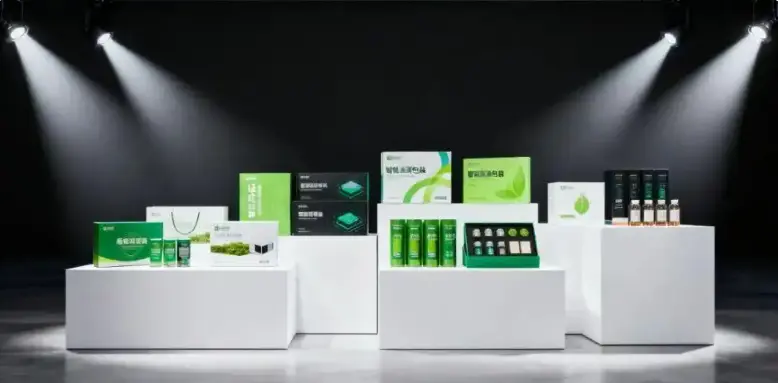
Nowadays, this pattern has been completely rewritten. The acceleration of urbanization, the upgrading of consumption and manufacturing have jointly given rise to diversified demands, and the industry has achieved a qualitative leap. Data shows that although the number of domestic printing and packaging enterprises is still dominated by small and medium-sized ones at present, the leading effect has significantly strengthened: they have built competitive barriers through technological upgrading and model innovation, occupied a dominant position in the high-end market, and begun to extend to the upstream and downstream of the industrial chain. From "simple packaging processing" to "providing full-chain solutions", and from "cost competition" to "value creation", China's printing and packaging industry is undergoing a historic transformation.
Development Wave: Green Transformation - A Leap from Policy-driven to market-driven
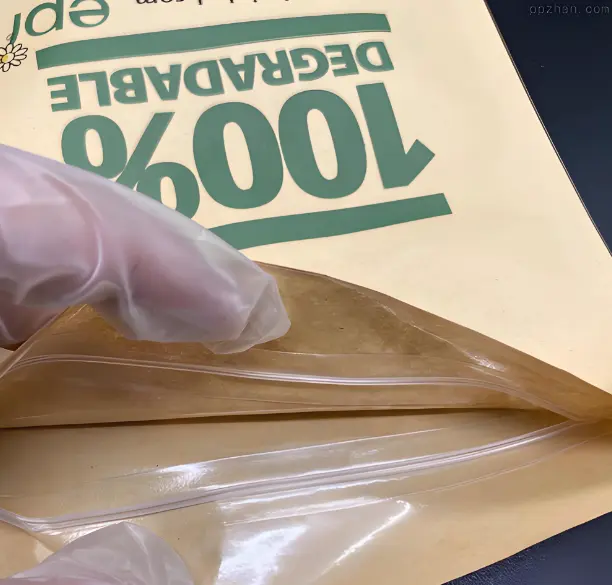
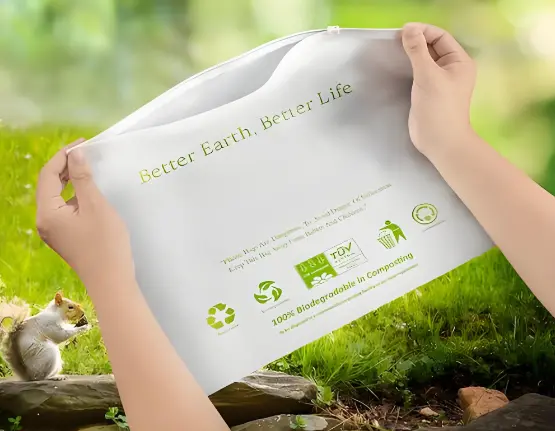
Greening has shifted from a policy-driven compliance requirement to an active choice for enterprises to seize market opportunities. More than a decade ago, Eco-friendly packaging was mostly a "niche attempt" by foreign brands. Now, it has become a standard feature in industries such as fast-moving consumer goods, food, and pharmaceuticals.
Green practice enterprise cases
◆ Juncheng Printing: The latest "Zero Plastic Packaging Solution" launched in 2025 uses renewable materials such as bamboo fiber, PLA, and PBAT to replace traditional plastics, and has been applied to the packaging of electronic products of brands such as Apple, Huawei, and Xiaomi. This plan reduced packaging waste by 55%, lowered the carbon footprint of the customer's supply chain by 28%, and increased the revenue from related orders by 32% year-on-year.
Future Outlook: Opportunities and Challenges in Value Reconstruction
The report predicts that China's printing and packaging market will maintain an average annual growth rate of around 4.5% over the next five years, and the market size is expected to exceed 700 billion yuan by 2030. However, the industry still faces structural challenges: an excessively high proportion of small and medium-sized enterprises, low concentration of production capacity, and insufficient reserves of green technologies, among other issues.
The core competitiveness in the future may mainly be manifested in the following aspects:
The first category is enterprises with green technology reserves that can continuously iterate environmental protection materials and recycling models;
The second is the full industrial chain service capability, an integrated service provider from design, production to traceability and recycling.
The third is the global operation capability, which refers to enterprises that can adapt to international rules and layout overseas markets.
From scale expansion to value reconstruction, China's printing and packaging industry is writing the "Chinese story" of the global packaging industry with a more mature posture.