

 +86-15362608169


Product News




Why Water-Soluble & Wash-Off Labels Are Gaining Market Attention Again
2025-09-19
01. What Are Water-Soluble Labels?
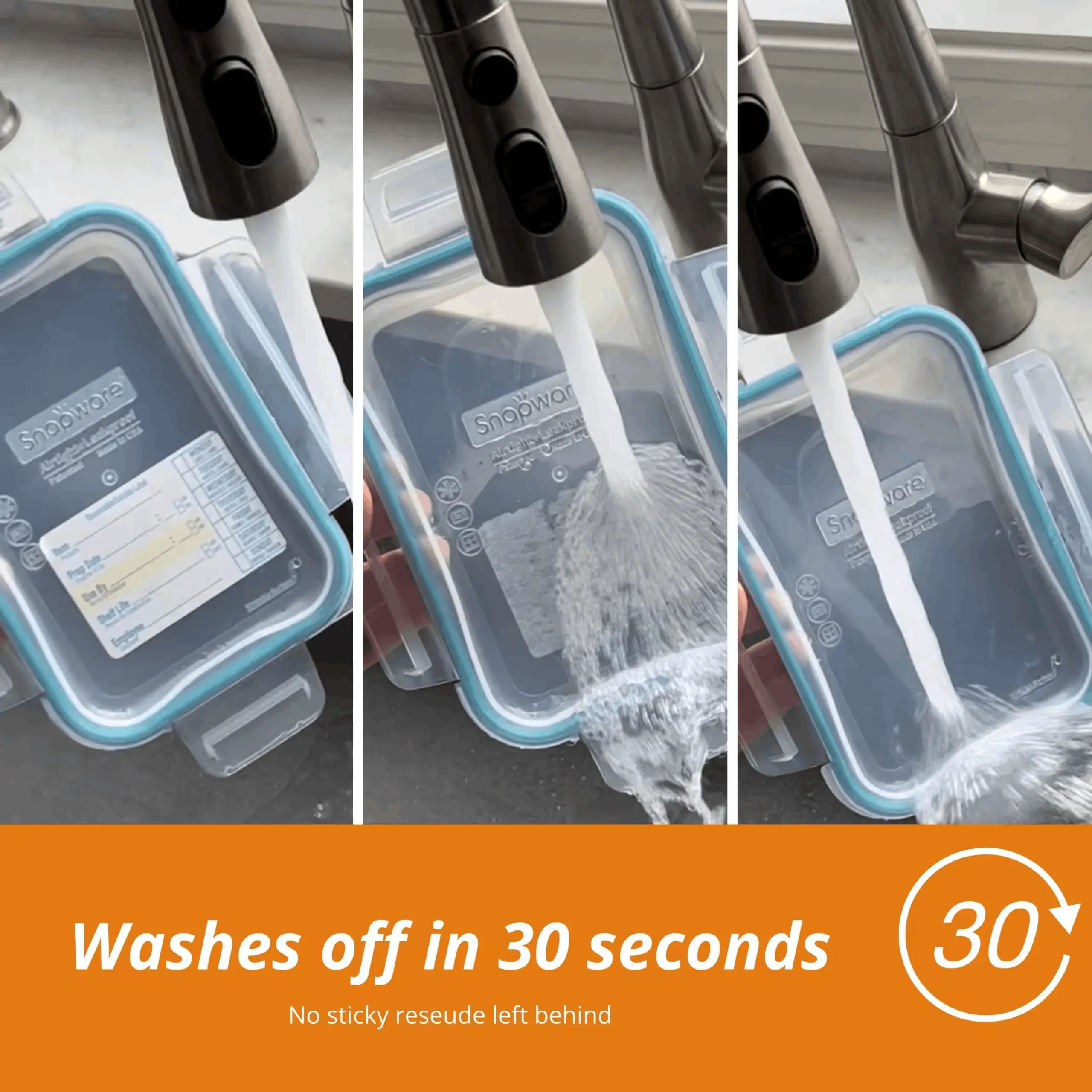
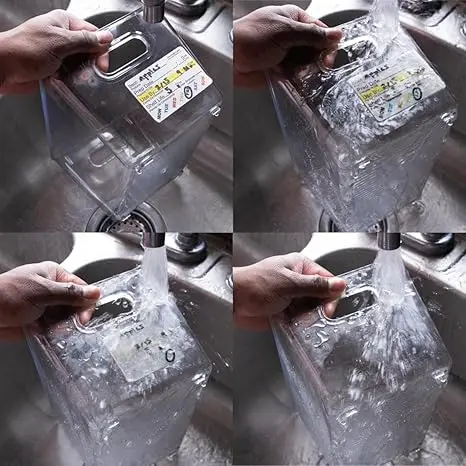
Water-soluble labels are made from dissolvable paper and Eco-friendly adhesives designed to completely dissolve in water during cleaning. Unlike traditional Adhesive Labels that often leave behind sticky residue or stubborn fiber marks, wash-off labels vanish entirely, leaving no trace.
This makes them ideal for reusable container labels, food storage stickers, PET bottle labels, and HDPE packaging labels. By ensuring clean label removal, these eco-friendly labels significantly improve recycling efficiency and reduce material contamination.
02. Why the Rapid Growth in Wash-Off Label Technology
In recent years, wash-off labels and water-soluble labels have grown rapidly due to a combination of sustainability goals, regulatory requirements, and consumer demand:
-
Environmental Regulations: Governments in Europe and North America are enforcing stricter packaging compliance standards, driving brands to adopt recyclable packaging labels and biodegradable stickers.
-
Brand Sustainability Strategies: Global brands are shifting to sustainable packaging labels to attract eco-conscious consumers. From beverage bottle labels to cosmetic packaging stickers, brands are highlighting their environmental responsibility.
-
Consumer Preferences: A growing number of consumers prefer green packaging solutions and products with removable labels, making sustainability a key differentiator in competitive markets.
03. Expanding Applications Across Industries
Leading brands like Heineken and Fever-Tree are already adopting wash-off adhesive technology to ensure residue-free label removal during alkaline cleaning. This innovation dramatically improves PET bottle recycling and supports a circular economy packaging system.
New adhesive developments now allow wash-off labels to be applied beyond PET bottles. They are increasingly used for:
-
HDPE container stickers
-
Glass bottle labels
-
Food storage labels
-
Cold chain packaging stickers
-
Logistics and shipping labels
Additionally, the Association of Plastic Recyclers (APR) has certified innovative wash-off adhesive solutions that ensure PET flakes remain uncontaminated, improving recyclable packaging materials quality.
04. Regulatory Pressures and Market Drivers
Across the globe, regulatory frameworks are accelerating innovation in sustainable label printing:
-
Extended Producer Responsibility (EPR) in Europe requires brands to adopt eco-friendly packaging solutions.
-
In the U.S., California’s SB 343 and SB 54 enforce strict recyclable packaging labeling rules.
-
The Ellen MacArthur Foundation mandates that by 2025, 100% of packaging materials must be reusable, recyclable, or compostable.
These policies are reshaping label printing companies’ strategies and forcing packaging suppliers to adopt eco-friendly adhesives and biodegradable labels to stay competitive.
05. Challenges and Opportunities for Label Printers
The rise of water-soluble labels and wash-off adhesive technologies presents both opportunities and challenges for label printing companies.
Manufacturers must evaluate:
-
Printing equipment compatibility
-
Adhesive selection
-
Bulk production capacity
-
Sustainability certifications
Gaining certifications like APR, RecyClass, and Cyclos-HTP is now a strong differentiator in the label printing industry, allowing printers to offer custom eco-friendly labels that meet global recycling standards.
06. Future Outlook for Sustainable Labels
The adoption of water-soluble and wash-off labels signals a broader transformation in the label printing industry. Future packaging solutions will prioritize:
-
PET bottle labels and HDPE container stickers with wash-off adhesive certification
-
Biodegradable and compostable packaging stickers
-
Advanced label printing technologies compatible with existing infrastructure
-
Eco-friendly label materials supporting a circular economy packaging system
Ironically, while the goal is to make labels “disappear,” label manufacturers play an increasingly vital role in enabling sustainable packaging and efficient recycling.