message

Why Choose Custom Stickers for Your Business?

Why Choose Custom Stickers for Your Business?

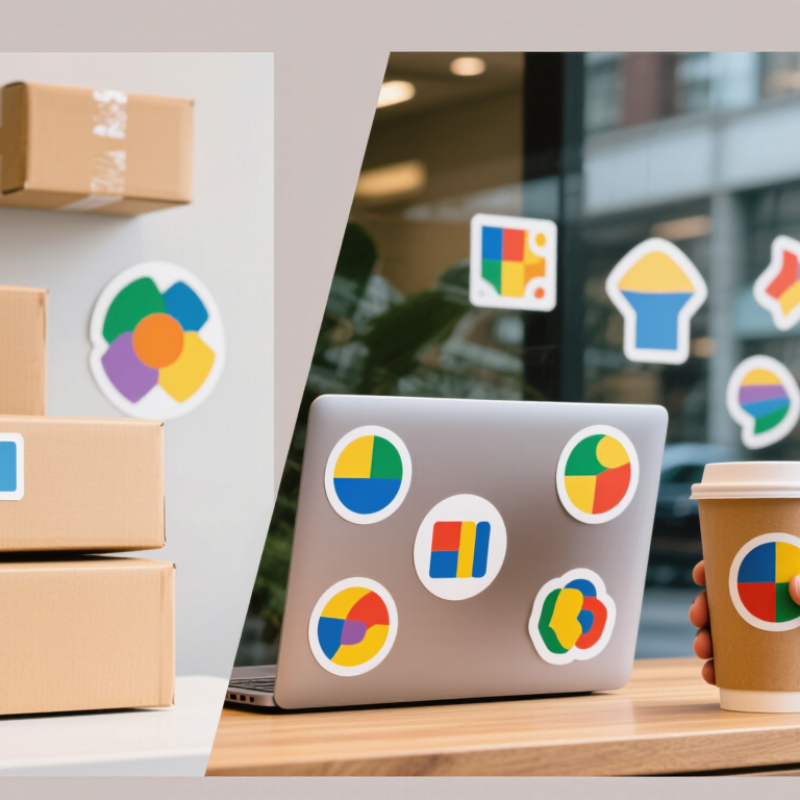
Custom Stickers turn ordinary packaging, laptops, parcels, and shop windows into repeated brand touchpoints. Their value is simple, but not automatic. Design, material, adhesive strength, and placement all affect performance.

Grand View Research reports that the global labels market reached approximately $45.8 billion in 2023. It also projects continued growth through 2030. Custom stickers belong to this wider labeling ecosystem, although market reports rarely isolate them as a separate category. That limitation matters. It prevents businesses from treating broad label statistics as guaranteed sticker results.

Promotional Products Association International found that useful promotional items can generate strong consumer recall. The Advertising Specialty Institute has also reported very low cost per impression for promotional products. Custom Stickers can support that effect because recipients often keep attractive designs visible. A branded sticker on a water bottle may travel farther than a single digital advertisement.

Anthony Thomas, founder of Sticker Mule, has described stickers as “a simple, effective way to promote your brand.” The statement reflects practical experience, not a promise of universal success. A poorly printed sticker can weaken credibility. A thoughtful one can reinforce recognition through color, texture, and repetition.

For example, a coffee company might place a weather-resistant sticker on every takeaway cup. A software startup could include a small logo sticker inside customer welcome kits. These details create physical reminders in increasingly screen-heavy environments. Still, businesses should test designs, measure redemption or referral activity, and ask customers for honest feedback. Custom Stickers work best when they extend a clear brand message, rather than replace one.
Why Choose Custom Stickers for Your Business?

What Custom Stickers Are and How Businesses Use Them

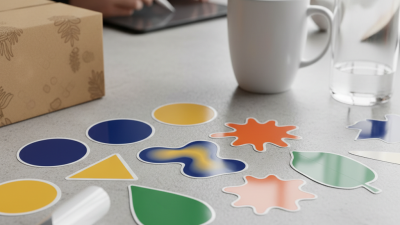
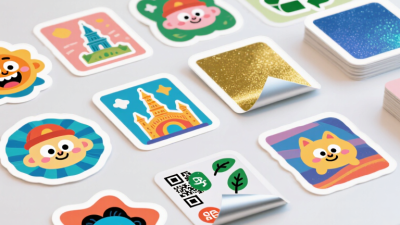
Custom stickers are adhesive labels made with a business’s chosen artwork, wording, shape, size, and material. They can carry a logo, product detail, short message, or practical instruction.

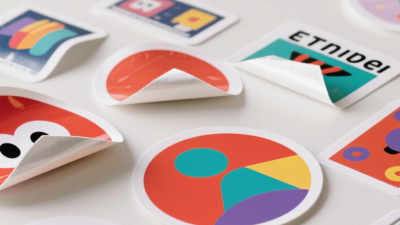
Paper stickers suit indoor packaging, while waterproof vinyl works better on bottles, boxes, and delivery containers. The adhesive also matters. A label for glass may not perform well on textured cardboard.

Businesses use custom stickers in many simple, visible ways. A small sticker can seal tissue paper, identify a package, or add a handwritten-feeling note to an order.

Retailers may place product labels on jars, folders, or storage bins. Service providers can use window stickers for opening hours or payment guidance.

Some companies add a QR code, but it should lead to a useful, mobile-friendly page. A code that fails wastes space and weakens trust.

Good sticker production starts with a real surface test. Check whether the label peels at the corners, smears under moisture, or leaves unwanted residue. Bright colors may appear darker after printing, so a physical proof is more reliable than a screen preview. I have found that small text often looks clear in design software but becomes difficult to read on a two-inch label. That detail deserves another review. Cost, durability, removal needs, and storage conditions should guide the final choice, not appearance alone.
Key Benefits of Custom Stickers for Brand Promotion

Why Choose Custom Stickers for Your Business?

Key Benefits of Custom Stickers for Brand Promotion

Custom stickers turn ordinary surfaces into repeated brand reminders. They can support packaging, event materials, product samples, and delivery boxes. A well-designed sticker keeps your visual identity visible after the first purchase.

Material choice affects performance. For outdoor use, choose weather-resistant vinyl with strong, tested adhesive. For paper packaging, a lighter adhesive may prevent tearing during removal. Matte finishes feel softer, while glossy surfaces make colors look brighter. Small details matter.

A practical promotion should match the sticker to its setting. A neat logo, short message, and clear website address usually work better than crowded artwork. QR codes need enough contrast and space for reliable scanning. Test them on real boxes before printing thousands.

Stickers are affordable, but they are not magic. Poor placement can make even excellent artwork look careless. I have seen campaigns improve after changing only the size and surface finish. That kind of review is worth the extra time.

Custom stickers also encourage customer interaction. People may place a useful, attractive design on a laptop, notebook, or water bottle. This creates additional exposure beyond the original transaction. However, forced decoration can feel intrusive, so the design should offer genuine visual or practical value. Track results through unique landing pages, campaign codes, or simple customer feedback. Guesswork can hide weak performance.

How Custom Stickers Support Packaging and Customer Engagement

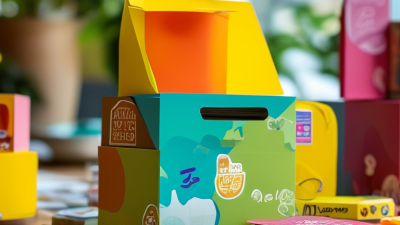
Custom stickers can turn ordinary packaging into a recognizable customer touchpoint. A small logo seal, thank-you label, or care instruction gives the parcel a human detail before it is opened. The 2023 Global Ecommerce Packaging Survey by Dotcom Distribution reported that 40% of consumers were likely to make repeat purchases after receiving premium packaging. Nearly half also said attractive packaging encouraged recommendations. Stickers are not magic, but they can make packaging feel considered without adding much weight or production complexity.

They also support customer engagement after delivery. A sticker can guide customers to scan a code, share an unboxing photo, or identify recycling instructions. The 2023 Packaging Matters report found that packaging quality strongly affects perceptions of product quality and value. Clear design matters. A crowded sticker may weaken trust. In practical packaging tests, teams should compare adhesive strength, color accuracy, removal behavior, and readability under poor lighting.

Small failures appear quickly. A label that curls on a cold box looks careless. A code that scans poorly frustrates customers.

Use durable materials for transit, but avoid excessive layers that create waste. The Sustainable Packaging Coalition emphasizes that packaging decisions should consider material use, recovery, and end-of-life conditions. Customer feedback, return rates, and scan data can reveal whether a sticker helps or merely decorates. Review the results honestly. Not every attractive label improves engagement.

Factors to Consider When Designing Business Stickers

Custom stickers can turn a package, laptop, or shop window into a small brand experience. The design needs more than a sharp logo. According to the 2023 Ad Impressions Study from the promotional-products industry, 85% of surveyed consumers remembered the advertiser after receiving a promotional item. That result supports sticker marketing, but memory depends on clear visual cues. Use one main message, readable type, and a color palette that matches your business personality.

Material choice matters. Paper stickers suit indoor packaging, while vinyl performs better on bottles, windows, and outdoor surfaces. Test the adhesive on painted walls, cardboard, and textured plastic before ordering thousands. A beautiful proof can still peel at the edges. It happens. Check moisture resistance, finish, cutting accuracy, and small-text readability. The Web Content Accessibility Guidelines recommend at least a 4.5:1 contrast ratio for normal text, a useful benchmark for printed stickers too.

Size and shape should follow the application. A narrow label may need a horizontal layout, while a die-cut icon can work on a phone case. Leave enough empty space around the logo. QR codes also need practical testing; scan them under dim light and from a short distance. I would not trust a screen preview alone. Colors may shift between monitors and printed materials, so request a physical proof. Include contact details only when they remain legible at the final size.

How to Choose the Right Sticker Materials and Printing Options

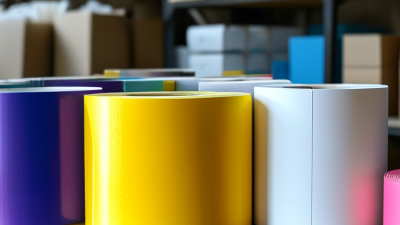
Custom stickers work best when their material matches the surface, environment, and handling. That choice matters more than a glossy finish. In production reviews, a common mistake is choosing paper for outdoor products. Moisture can curl exposed edges. Vinyl handles water better, while polyester offers stronger tear resistance. For recyclable paper packaging, uncoated paper creates a softer, natural appearance. It may scuff more easily. That trade-off requires testing.

Adhesive choice is equally practical. Removable adhesive suits temporary promotions and glass displays. Permanent adhesive fits boxes, tools, and containers facing friction. Grand View Research projects the pressure-sensitive adhesives market to grow at about 5.1% annually through 2030. This growth reflects wider packaging demand, but it does not guarantee compatibility with dusty cardboard or low-energy plastic. Test a small batch for 24 to 72 hours. Check lifting, residue, and color changes.

Printing options should follow quantity and design detail. Digital printing suits short runs, variable artwork, and quick revisions. Flexographic printing can reduce costs for large, repeat orders. The Promotional Products Association International reported that 82% of recipients viewed advertisers more favorably after receiving promotional products in its 2023 consumer study. That finding supports memorable sticker campaigns, though it does not replace good production quality. Request a CMYK proof, finish sample, and outdoor exposure test. The perfect option does not exist. A slightly imperfect sample may reveal an expensive mistake early.

Why Choose Custom Stickers for Your Business? - How to Choose the Right Sticker Materials and Printing Options

Sticker Material Best Use Key Characteristics Typical Durability Recommended Printing Options Advantages Important Considerations
Coated Paper Product packaging Indoor promotions Smooth surface with strong color reproduction and a professional appearance. Best for dry, indoor conditions; generally less resistant to water, oil, and abrasion than synthetic materials. Digital printing, offset printing, and flexographic printing. Cost-effective, lightweight, easy to print, and available in gloss or matte finishes. Not suitable for prolonged outdoor exposure, refrigerated condensation, or wet surfaces unless specially coated.
Uncoated Paper Shipping labels Short-term labeling Natural, non-reflective texture that is easy to write on with many pens and markers. Designed primarily for dry indoor use and temporary applications. Digital printing, flexographic printing, and thermal-transfer printing. Readable, economical, writable, and suitable for simple one-color or information-based labels. Can absorb moisture and may show ink spread or surface damage when exposed to water.
White Vinyl Outdoor graphics Containers Promotional decals Flexible synthetic film with a smooth, printable surface and strong resistance to moisture. Often suitable for outdoor use for several years when paired with compatible ink and protective finishing; actual life depends on exposure conditions. Solvent, eco-solvent, UV, and latex printing; digital printing is commonly used for short and medium runs. Water-resistant, durable, flexible, and available with permanent or removable adhesives. Usually costs more than paper and may require surface cleaning for reliable adhesion.
Clear Vinyl Window graphics Transparent packaging Transparent film that allows the background surface to remain visible around printed areas. Good moisture resistance; outdoor performance depends on the film, adhesive, ink, and protective coating. UV, solvent, eco-solvent, and latex printing; white ink may be needed to improve opacity and color brightness. Creates a premium “no-label” appearance and works well on glass, plastic, and smooth packaging. Print colors may appear less vivid without a white ink layer; bubbles and surface dust can affect application quality.
Polyester Film Industrial labels Equipment identification Strong, dimensionally stable synthetic film with good resistance to tearing and many chemicals. Suitable for demanding indoor and outdoor applications when the adhesive and print system are properly matched. Digital, screen, UV, and thermal-transfer printing. High tensile strength, good dimensional stability, moisture resistance, and long-term readability. More expensive than basic paper; the required adhesive must match the surface and operating temperature.
Polypropylene Film Food packaging Personal-care products Lightweight, moisture-resistant film with a smooth surface and good visual clarity. Performs well in humid conditions and is commonly used for labels exposed to splashes or condensation. Digital, flexographic, gravure, and UV printing. Good water resistance, attractive appearance, flexibility, and lower density than many other plastics. Recycling compatibility depends on the complete label-and-container system and local recycling facilities.
Removable Adhesive Temporary campaigns Retail displays Designed to peel away more easily and leave less adhesive residue on suitable surfaces. Performance varies with time, temperature, surface type, and exposure to sunlight or moisture. Compatible with digital, inkjet, laser, and wide-format printing when supplied as a matched material. Supports seasonal promotions, temporary wayfinding, and changeable displays. May not adhere reliably to dusty, rough, oily, or highly textured surfaces; test before large-scale use.
Permanent Adhesive Brand labeling Product identification Designed to provide stronger long-term bonding to compatible clean surfaces. Usually offers better long-term adhesion than removable adhesive, but environmental exposure still affects performance. Digital, flexographic, screen, UV, and thermal-transfer printing. Reliable for inventory labels, packaging, safety information, and applications where removal is not expected. Removal may leave residue or damage some surfaces; adhesive selection should consider temperature and surface energy.
Matte Finish Luxury packaging Readable information Low-glare surface that reduces reflections under strong lighting. Durability depends mainly on the underlying material and protective coating. Digital, offset, flexographic, UV, and screen printing. Easy to read, understated, tactile, and suitable for writing in many applications. May appear less saturated than gloss and can show dirt or scuffing more visibly on dark colors.
Gloss Finish Promotional graphics Color-focused packaging Reflective surface that enhances visual contrast and color intensity. Can improve surface protection when used as a laminate or coating, depending on the specification. Digital, offset, flexographic, UV, and wide-format printing. Bright appearance, easy wipe-clean surface, and strong shelf or display impact. Produces glare under direct light and may show fingerprints or surface scratches more readily.

Selection note: Choose the material, adhesive, finish, and printing method together. Always test the complete sticker on the intended surface under expected temperature, moisture, handling, and removal conditions.