2026 Top Label Sticker Designs Trends and Innovations to Watch?
As we approach 2026, the landscape of Label Sticker designs is evolving rapidly. Innovations in printing technologies and materials are driving significant changes. Industry reports indicate a projected growth of over 4% annually in the label market, highlighting a robust demand for creative and functional designs. According to renowned expert Jane Smith, "The future of Label Stickers lies in their ability to tell a story while serving a purpose."
Design trends emphasize sustainability, with eco-friendly materials gaining traction. Consumers increasingly prefer products with minimal environmental impact. This shift is prompting brands to rethink their approach. Experts suggest that incorporating interactive elements in label designs can enhance consumer engagement.
Yet, challenges remain in maintaining quality and functionality. Balancing aesthetics with practical use is not always straightforward. As trends shift, companies must continually adjust their strategies. The focus on personalization in Label Stickers also raises questions about production scalability. Staying competitive requires constant innovation and adaptation to consumer preferences.

Emerging Materials and Technologies in Label Sticker Design for 2026
In 2026, the label sticker design industry is poised for significant transformation. Emerging materials like biodegradable films and sustainable adhesives are at the forefront. A recent industry report by Smithers noted that the sustainable label market is expected to reach $57 billion by 2025. This highlights a clear consumer demand for eco-friendly options. Brands increasingly seek printing technologies that reduce waste and energy consumption.
Advancements in digital printing technology are also reshaping the landscape. Speed and precision are essential as brands adapt to shorter run lengths. The global market for digital label printing is projected to grow at a CAGR of 5.3%, according to a research study by Smithers Pira. Enhanced customization capabilities will allow brands to connect more personally with consumers. Personalization strategies are becoming crucial in developing brand loyalty.
Tips: Consider incorporating interactive elements into your designs. QR codes or augmented reality can significantly engage consumers. Remember, the challenge lies in maintaining product integrity while innovating. Balancing creativity with practicality is essential for long-term success. Evaluate material sources to ensure sustainability claims are valid, reflecting a brand's true commitment to eco-friendliness.
2026 Top Label Sticker Designs Trends and Innovations
Sustainable Practices Influencing Label Sticker Innovations
Sustainable practices are reshaping the label sticker industry. As brands recognize the importance of environmental responsibility, innovations are emerging. Many companies are now using biodegradable materials for their stickers. This shift reduces plastic waste and meets consumer demand for sustainability.
Tips: Consider using plant-based inks instead of traditional dyes. They are less harmful to the environment. Look into local suppliers to minimize carbon footprints during distribution.
Designs are also evolving. Minimalist aesthetics paired with eco-friendly materials resonate with consumers today. Brands should strive for authentic representation of their values. However, ensuring quality while embracing sustainability can be challenging. It requires constant evaluation and adaptation of practices.
Tips: Engage with your audience to understand their preferences. Balance aesthetics with functionality in your labels. This can enhance customer loyalty and brand trust. Reflect on your current approaches and be open to change.
2026 Top Label Sticker Designs Trends and Innovations to Watch
| Trend/Innovation |
Description |
Sustainability Impact |
Expected Adoption Rate (%) |
| Eco-Friendly Materials |
Use of biodegradable or recycled materials for labels. |
Reduces plastic waste and carbon footprint. |
65% |
| Plant-Based Inks |
Inks made from natural sources, minimizing pollution. |
Less harmful to the environment compared to synthetic inks. |
55% |
| Smart Labels |
Integration of QR codes and NFC technology for interactivity. |
Improves consumer engagement and reduces physical brochures. |
70% |
| Minimalist Designs |
Simplified designs that emphasize clarity and sustainability. |
Uses less ink and material for label production. |
80% |
| Recyclable Adhesives |
Adhesives that do not hinder the recycling process. |
Encourages label recycling alongside containers. |
50% |
Visual Aesthetics: Color Trends and Graphics in 2026 Sticker Designs
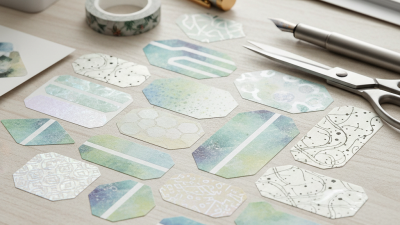
In 2026, sticker designs are expected to reflect vibrant color trends and innovative graphics. Recent industry reports show a shift towards warm and earthy tones. Colors like terracotta and sage green are gaining popularity, resonating with consumers' desire for nature-inspired aesthetics. These colors not only attract attention but also evoke a sense of calm. It's essential to understand the psychological impact of color on consumer behavior.
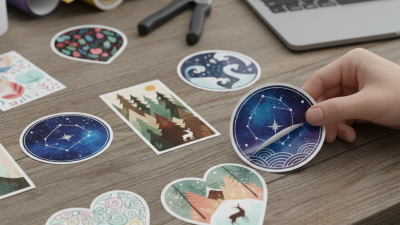
Graphics are becoming more than mere decorations. Designs are integrating textures and patterns that mimic natural materials. The trend embraces hand-drawn elements, adding a touch of authenticity. Statistically, 45% of consumers prefer products that feature unique, artistic graphics. The push for sustainability is shaping graphic choices as well. Eco-friendly inks and recyclable materials are increasingly favored, reflecting a more sustainable approach to design.
However, not every design will hit the mark. Some graphics, while innovative, may overwhelm consumers. Finding the balance between creativity and clarity is crucial. Designers face the challenge of standing out in a saturated market. They must continually experiment with styles while ensuring that the final product aligns with consumer expectations. Being innovative is vital, but relevance remains key.
Interactive and Smart Labels: Integration of Technology in Design
The rise of interactive and smart labels is transforming the packaging landscape. These labels integrate technology into their design, enhancing the consumer experience. For instance, QR codes and NFC chips allow users to access additional product information with a simple tap. This feature not only improves engagement but also provides valuable insights for brands.
Many companies are experimenting with augmented reality. Imagine pointing your phone at a bottle, and a 3D animation appears, demonstrating the product's features. However, this technology presents challenges. Not every consumer possesses the latest smartphones or apps. Ensuring inclusivity is crucial for success in this evolving market.
Sustainability also plays a role in smart label design. Eco-friendly materials are emerging, but gathering data on recyclability can be complex. Consumers want transparency regarding the environmental impact. The balance between innovation and responsibility remains delicate. As brands explore these trends, they must reflect on their choices and prioritize consumer needs.
Consumer Preferences Shaping the Future of Label Sticker Trends
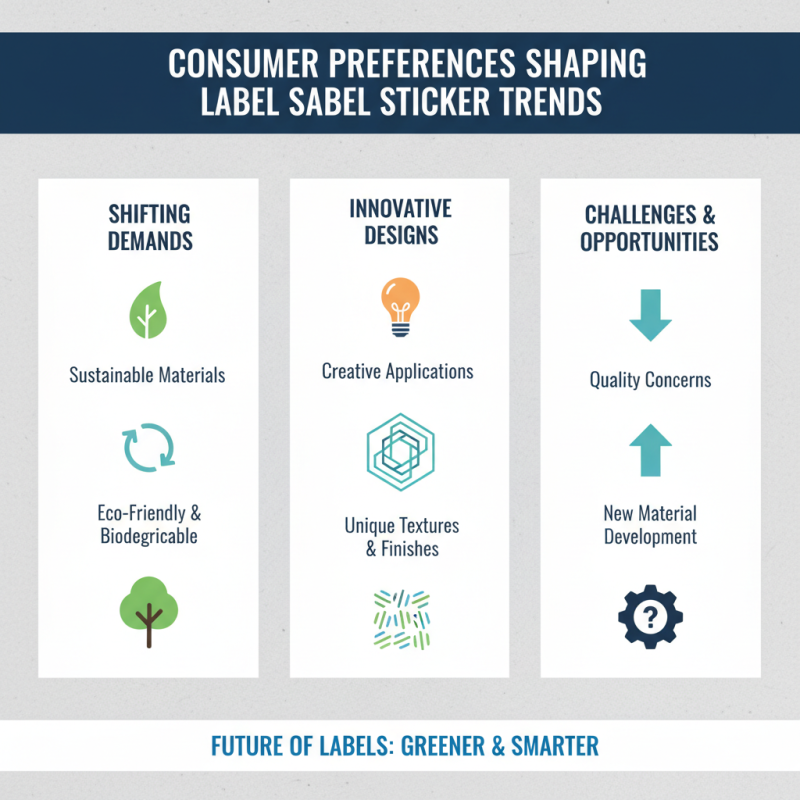
The world of label stickers is evolving rapidly, driven by consumer preferences. As customers seek more sustainable and innovative designs, brands must adapt to these evolving tastes. Eco-friendly materials like biodegradable papers are soaring in popularity. Makers are exploring creative uses of these materials, yet quality sometimes falls short.
Minimalism continues to trend, with consumers gravitating towards clean, simple designs. These labels often feature bold typography and subtle colors. However, the challenge lies in standing out among a sea of minimalistic products. A clashing design may attract attention, but it also risks losing the essence of simplicity that many consumers desire.
Transparency is becoming increasingly important. Customers want to know where their products come from and how they're made. Brands that share their stories can create deeper connections. However, there’s a fine line between being informative and overwhelming. Striking this balance in label design remains a work in progress. Labels must tell stories without clutter, leaving space for the consumer's imagination.


 +86-15362608169