Best Thermal Printer Label Solutions for Global Buyers?
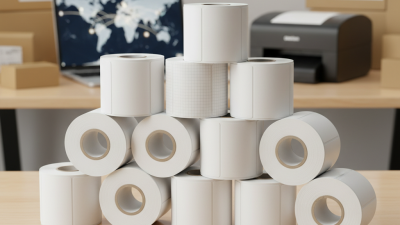
In today's global market, the demand for thermal printer label solutions is rapidly increasing. Experts like John Smith, a leader in labeling technology, emphasize the significance of these solutions. He states, "Effective thermal printer labels can transform shipping logistics and inventory management." This statement underscores the vital role of quality labels in business operations.
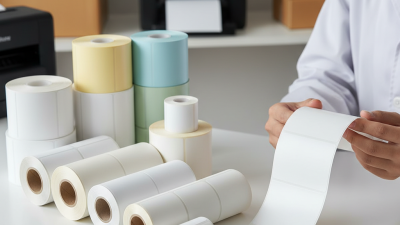
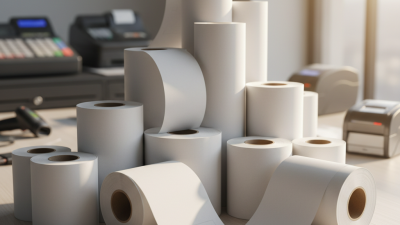
Thermal printer labels stand out for their speed and efficiency. They can produce high-quality prints and withstand various environmental conditions. Buyers should consider the versatility and durability of these labels when making a decision. Some products may not meet expectations or fail in challenging situations, highlighting the importance of careful selection.
Additionally, the options available can be overwhelming for buyers. Choosing the right thermal printer label involves understanding specific needs and applications. Not all products are created equal, and some may lead to frustration. A thoughtful approach is crucial to ensure that businesses invest in solutions that truly enhance their operational efficiency.
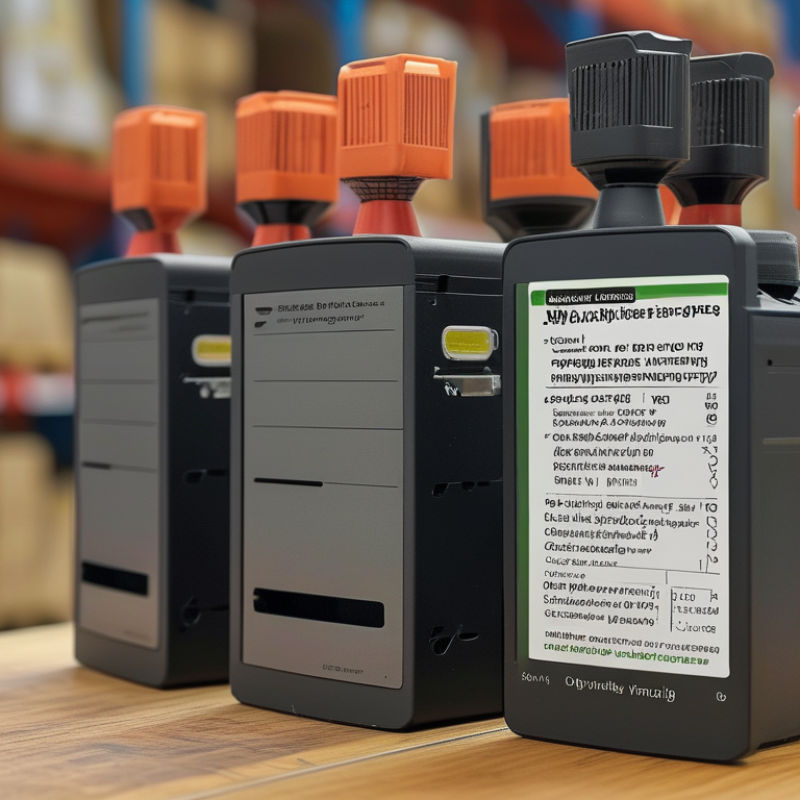
Overview of Thermal Printer Technology and Its Applications
Thermal printer technology has become indispensable in various industries. These printers use heat to transfer ink onto substrates, making them highly efficient for label production. According to a report by Smithers Pira, the global thermal printing market is expected to reach $40 billion by 2027, driven by the demand for efficient labeling solutions.
Industries such as logistics, retail, and healthcare benefit significantly from thermal printing. In logistics, clear barcodes and shipping labels streamline operations. In retail, accurate price tags enhance customer experience. Healthcare relies on thermal labels for medication management and tracking. However, businesses must choose the right thermal printer to meet their specific needs.
**Tip:** Assess your volume needs before selecting a printer. A model designed for high-volume use might waste resources in less demanding environments.
One challenge is the environmental impact of thermal printing materials. Use of plastics in labels raises sustainability concerns. Companies are urged to seek eco-friendly materials to reduce waste and adhere to regulations. Diverse applications call for continuous innovation in materials and technology. Understanding these nuances is essential for global buyers aiming for sustainable solutions.
Best Thermal Printer Label Solutions for Global Buyers
| Feature |
Description |
Common Applications |
Printing Speed (mm/sec) |
Connectivity Options |
| Direct Thermal Printing |
Uses heat to transfer ink from a thermal print head to the label. |
Shipping labels, event tickets, and food packaging. |
100 - 300 |
USB, Bluetooth, Wi-Fi |
| Thermal Transfer Printing |
Uses a ribbon to transfer ink onto the label, allowing for more durable prints. |
Asset tags, chemical labels, and barcodes. |
80 - 200 |
USB, Ethernet, Parallel |
| Mobile Thermal Printers |
Compact and portable, ideal for on-the-go label printing. |
Field services, retail, and ticketing. |
50 - 150 |
Bluetooth, NFC |
| Industrial Thermal Printers |
Designed for high-volume printing in harsh environments. |
Manufacturing, warehousing, and logistics. |
250 - 600 |
USB, Ethernet, Serial |
| Desktop Thermal Printers |
Ideal for small to medium-sized businesses requiring reliable label printing. |
Office labels, shipping labels, product labels. |
75 - 200 |
USB, Ethernet, Wi-Fi |
Key Features to Consider When Choosing Thermal Printers
When selecting a thermal printer for labels, key features matter. Resolution is vital. A printer with a high DPI ensures clear prints. This clarity prevents misreads. It's essential for barcodes and text.
Consider print speed. A printer that operates quickly enhances productivity. Businesses often operate under tight deadlines. Thus, waiting on prints can impact efficiency. Look for models that balance speed and quality.
Tip: Assess your label size needs before buying. Some printers excel with standard sizes but struggle with custom dimensions. Test printing with a few options helps gauge compatibility.
Connectivity options deserve attention. Wireless capabilities can simplify operations. Ensure the printer can connect to your existing systems easily. Also, do factor in the ease of use. A complex interface can hinder daily operations.
Tip: Gather feedback from others. User reviews can uncover issues not mentioned in specs. This can save time and resources in the long run. Reflections on your specific requirements can clarify the ideal choice for your business.
Top Thermal Printer Brands and Models for International Buyers
When it comes to thermal printing, international buyers seek reliability and performance. According to recent industry reports, the global thermal printer market is projected to reach $6.94 billion by 2027, growing at a CAGR of 9.7%. This growth highlights the increasing demand for efficient labeling solutions across various sectors, including retail, logistics, and healthcare.
Leading thermal printer brands typically focus on durability and ease of use. Popular models often include features like wireless connectivity, high-speed printing, and compatibility with a range of label materials. Research indicates that printers with advanced features can improve operational efficiency by up to 30%. However, many businesses find it challenging to choose the right model, as different applications require specific capabilities.
Despite advancements, some users express concerns about the print quality and lifespan of labels. Inexpensive thermal printers sometimes compromise on these aspects, leading to frustration. A buyer must weigh the trade-offs between cost and the potential return on investment. Observations show that investing in higher-quality printers often pays off in the long run, as they can reduce maintenance costs and improve overall productivity.
Comparative Analysis of Thermal Label Solutions for Different Industries
In today's fast-paced market, the demand for thermal label solutions has surged across various industries. The global thermal printer market is projected to reach $5.8 billion by 2026, driven primarily by retail and logistics sectors. Each sector requires specific label solutions to meet unique needs. This necessity indicates that a one-size-fits-all approach is often inadequate. Companies face challenges in selecting the right type of thermal printer that balances efficiency and cost.
In the healthcare industry, accurate labeling is crucial. A 2022 report indicated that nearly 70% of medication errors occur due to mislabeling. Thermal printers that ensure high-quality output of labels can help mitigate this issue. Meanwhile, in the logistics sector, efficiency is vital. Shipping companies often experience delays due to poor label quality, impacting overall delivery times. This sector needs printers that can produce durable labels capable of withstanding various environmental conditions.
Retailers, on the other hand, focus on speed and flexibility. A 2021 survey showed that 65% of retailers considered label customization as essential for their branding efforts. However, integrating thermal printing technology with inventory systems remains a complex task for many. Businesses must not only consider the hardware but also the software compatibility. The implications of poor integration can severely affect operational efficiency. This highlights the necessity for thorough research and consideration in selecting thermal printing solutions.
Best Thermal Printer Label Solutions for Global Buyers
Cost-Effectiveness and Longevity of Thermal Printing Solutions
Thermal printing solutions are becoming increasingly popular among businesses worldwide. They offer significant cost-effectiveness and longevity. According to recent industry reports, thermal printing can reduce labeling costs by up to 30% compared to traditional ink-based printers. This reduction is mainly due to lower material costs and fewer mechanical failures.
The longevity of thermal printers is another critical factor. Studies indicate that thermal labels have a lifespan of five to ten years if stored properly. Moreover, they are resistant to fading, smudging, or tearing. Businesses can save on replacements and maintenance, directly impacting the bottom line. It is essential, however, to consider the environmental effects of thermal paper and the need for proper disposal methods.
Despite these advantages, not all thermal printers are created equal. Some models may require frequent recalibration, leading to downtime. Also, users should be aware of the potential for thermal papers to yellow over time. Awareness of these issues can promote smarter purchasing decisions and enhance the effectiveness of thermal printing solutions.


 +86-15362608169