How to Choose the Best Sticker Paper for Your Craft Projects?
Choosing the right sticker paper for your craft projects can significantly affect the outcome of your creations. As craft expert John Smith notes, "Not all sticker paper is created equal." This statement rings true as the variety in quality, finish, and adhesive strength can impact both functionality and aesthetics.
When selecting sticker paper, consider the end use of your projects. Some papers work better for printers, while others are designed for hand-drawn or painted stickers. Understanding the specific characteristics of each type is crucial. For instance, glossy paper gives vibrant colors, but may not be suitable for all adhesive applications. Reflecting on your intended use helps refine your choices.
Moreover, durability and texture can influence your final design. A matte finish might be preferable for a more sophisticated look, yet it could lack the protective qualities of its glossy counterpart. Experimentation is key. Do not hesitate to test multiple options. Every crafter's needs are unique, and sometimes, the best way to find the right sticker paper involves a bit of trial and error.
Types of Sticker Paper: An Overview of Options for Crafts
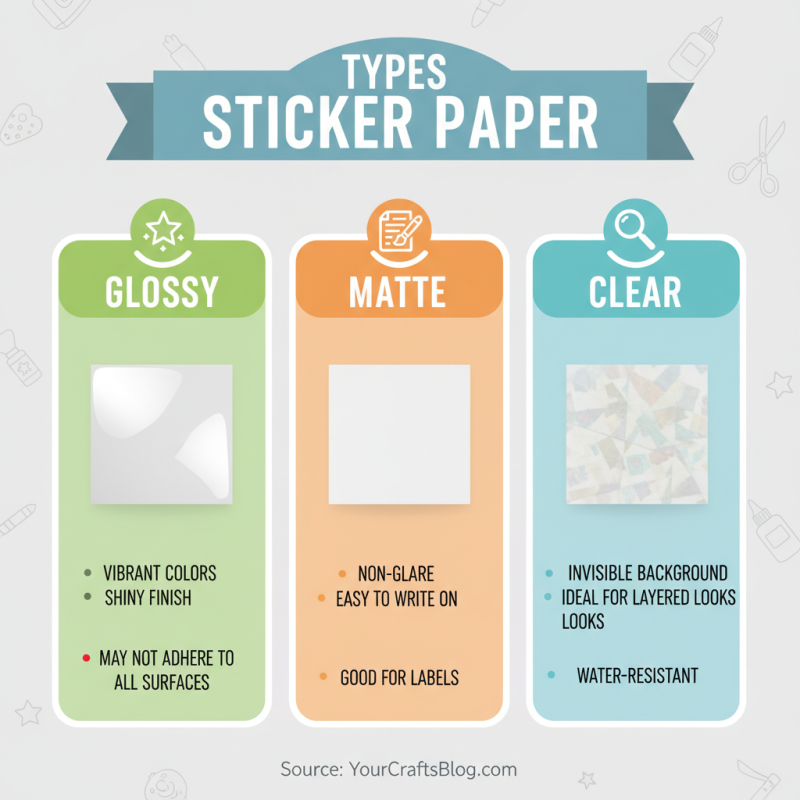
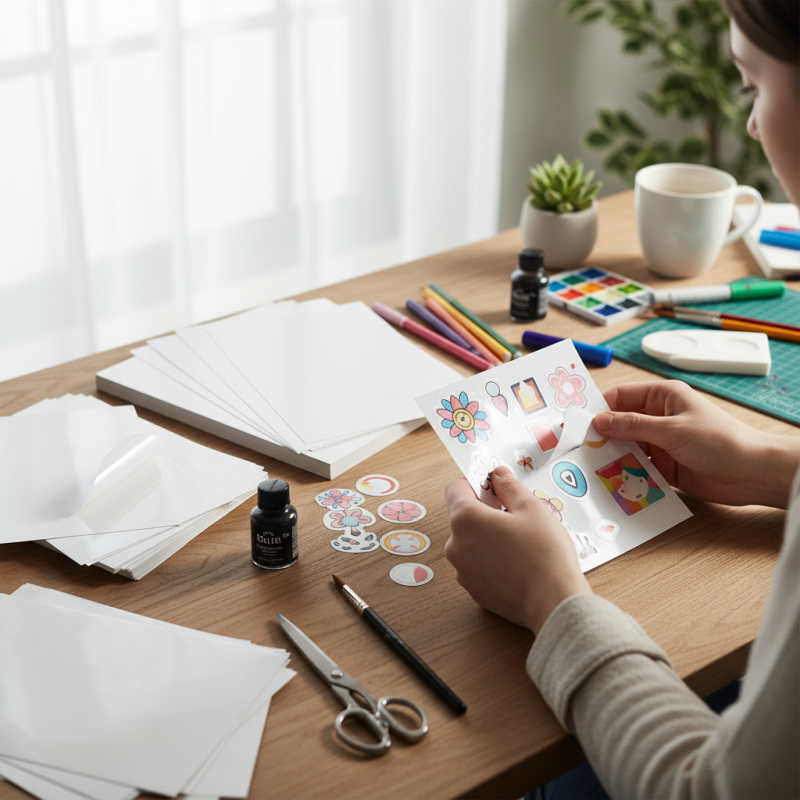
When selecting sticker paper for crafts, it helps to understand the various types available. The most common types include glossy, matte, and clear options. Glossy sticker paper yields vibrant colors that shine. It’s perfect for stickers meant to stand out. However, this type might not adhere well to all surfaces.
Matte sticker paper provides a more subtle finish. It is ideal for designs that require fine details. It absorbs ink well, which prevents smudging. On the downside, matte stickers can appear less vivid compared to glossy ones. Clear sticker paper offers a unique look, allowing surfaces to show through. It can be great for overlays but may lack durability in some cases.
Each type of sticker paper serves a different purpose, influencing your craft’s final outcome. Considering the project’s requirements is crucial. Reflecting on the intended use, you may find a type that meets your needs better than others. Sometimes, experimenting with various options reveals surprising results. Don’t hesitate to tweak your approach if your first choice doesn’t satisfy.
Factors to Consider When Choosing Sticker Paper for Your Projects
Choosing the right sticker paper involves understanding several key factors. First, the type of adhesive used is crucial. Removable adhesive allows easy repositioning, while permanent adhesive offers durability. According to a 2022 industry report, 68% of crafters prefer removable adhesive for versatile applications. This gives creators the freedom to experiment without leaving residue.
Next, consider the finish of the sticker paper. Options like glossy, matte, or transparent each provide unique aesthetics. A glossy finish enhances colors, which may appeal to artists. In contrast, matte offers a more subdued look ideal for labels. According to a study from Crafting Insights, 54% of users choose matte for professional-looking stickers, showing a significant trend in preferences.
Lastly, consider your printer's compatibility. Not all sticker papers work with every printer type. Inkjet printers are often limited to specific paper weights. A survey showed that 40% of users faced print quality issues due to incompatible paper. Without proper research, these missteps can impact your project’s outcome. Thus, choosing wisely can streamline your crafting process and enhance your final product’s quality.
Comparative Analysis of Different Sticker Paper Types
Understanding Print Quality and Ink Compatibility for Sticker Paper
When choosing sticker paper, print quality and ink compatibility are crucial. Research from industry reports indicates that approximately 75% of crafters consider print clarity as a primary factor. High-resolution inks produce sharper images, enhancing overall appeal. Different ink types, such as dye-based and pigment-based, interact uniquely with sticker paper. Dye-based inks are vibrant but may smudge easily. Conversely, pigment inks last longer but can appear muted.
Understanding the coating of sticker paper also matters. Glossy finishes reflect light, giving colors a vivid appearance. However, matte finishes offer a more subtle look but may affect ink absorption. A study by a leading printing research firm found that 65% of users prefer glossy for professional projects, while 55% lean toward matte for personal crafts. The right choice may require experimentation, as not all papers suit every project. Poor ink adhesion can lead to fading or peeling, forcing crafters to reconsider their initial selections.
Compatibility between ink and paper thickness is essential, too. Thicker papers often require more ink, potentially causing bleed if not matched correctly. Many recommend testing with different settings to obtain the best results. Crafting is about trial and error. Understanding your materials can elevate your projects significantly.
How to Choose the Best Sticker Paper for Your Craft Projects?
| Sticker Paper Type |
Print Quality |
Ink Compatibility |
Finish Type |
Best For |
| Matte Sticker Paper |
High clarity, non-reflective |
Dye and pigment ink |
Matte |
Scrapbooking, labels |
| Glossy Sticker Paper |
Vivid colors, shiny finish |
Dye ink preferred |
Glossy |
Photo printing, vibrant labels |
| Transparent Sticker Paper |
See-through design, subtle look |
Dye and pigment ink |
Transparent |
Window decals, subtle designs |
| Vinyl Sticker Paper |
Durable, high detail |
Solvent and eco-solvent ink |
Smooth |
Outdoor stickers, vehicle decals |
Durability and Finish: Glossy vs. Matte Sticker Paper Selection
When selecting sticker paper, durability and finish play crucial roles.
Glossy paper offers vibrant colors and a sleek look. It reflects light beautifully, making designs pop. However, it can scratch easily. If your project involves handling, consider this carefully. A glossy surface may not be the best choice for items that will see a lot of use.
On the other hand, matte sticker paper provides a different aesthetic.
It has a soft, non-reflective finish. This makes it ideal for crafting projects that require a more understated look. The texture feels nice to touch and can be easier to write on. Some might find matte less vibrant than glossy, which can be a concern for vivid designs.
Ultimately, the right choice depends on your project. Think about how your stickers will be used. Consider the balance of aesthetics and functionality. Testing both types can show you what fits your needs best.
Remember, not every project requires perfection; sometimes, the quirky details make your creations unique.
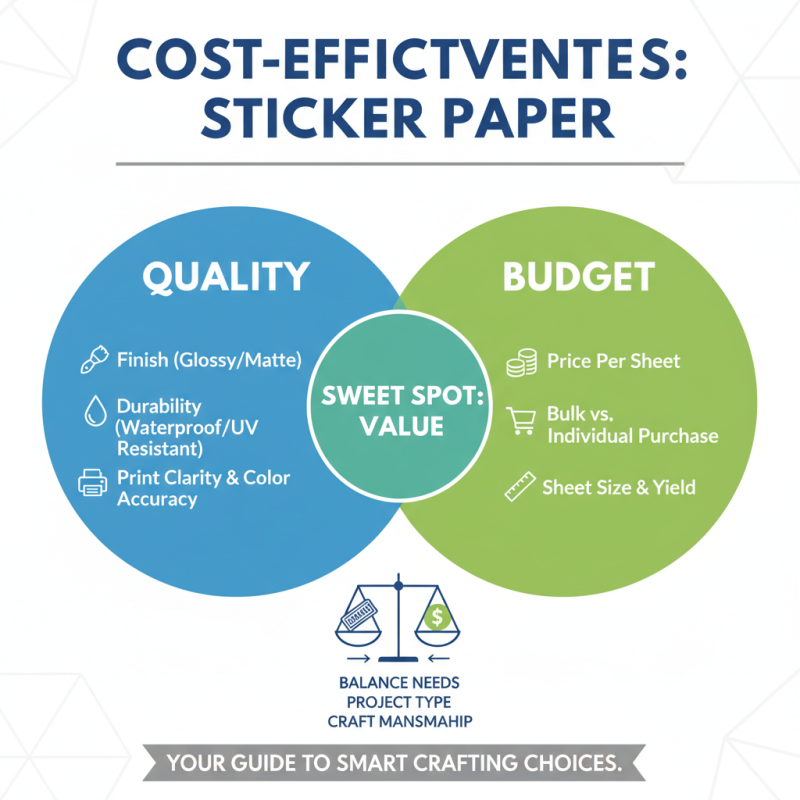
Cost-Effectiveness: Balancing Quality and Budget for Sticker Paper
Choosing the right sticker paper can be a daunting task, especially when balancing quality with cost. High-quality sticker paper often yields better results, but the price can be a concern. It's essential to evaluate what fits your budget without compromising on craftsmanship. When you're deeply involved in craft projects, the right materials can make a significant difference.
One way to strike this balance is by testing a few options. Purchase small samples of different sticker papers. This approach allows you to assess quality without a large financial commitment. You might find that some budget-friendly options perform surprisingly well, while others do not meet your expectations. Be open to reflections on your choice—sometimes what looks good on paper doesn't translate to the final product.
Another factor to consider is your project type. Different crafts may require different paper qualities. For example, outdoor projects might need more durable materials compared to indoor crafts. Not all high-priced sticker papers guarantee superior results; sometimes, the more economical choices provide a satisfactory outcome. Learning from your experiences will guide future selections, allowing you to find that perfect balance between quality and affordability.


 +86-15362608169