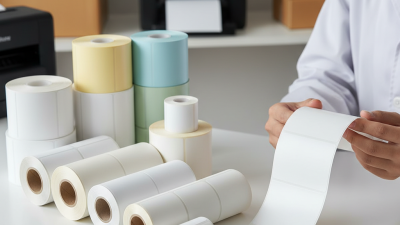
Why Choose Paper Self Adhesive for Your Next Project?
When considering materials for your next project, Paper Self Adhesive stands out as a versatile option. According to a report by Smithers Pira, the self-adhesive label market is projected to reach $50 billion by 2025. This growth signals a rising demand for efficient and eco-friendly solutions. Paper Self Adhesive products cater to this need by offering considerable benefits in application and sustainability.
The flexibility of Paper Self Adhesive allows for creative expression in various industries. Whether you're crafting labels, stickers, or promotional materials, this adhesive empowers users to innovate. Numerous businesses have reported improved production efficiency by integrating Paper Self Adhesive into their workflows. The ease of customization enhances branding opportunities, and companies can quickly adapt designs to meet market trends.
However, the durability of Paper Self Adhesive can sometimes be a concern, particularly in challenging environments. Users must consider the intended application to ensure it withstands elements like moisture or direct sunlight. While the material's benefits are substantial, critical evaluation remains essential for achieving the best results. Balancing its advantages with potential limitations can lead to better project outcomes.
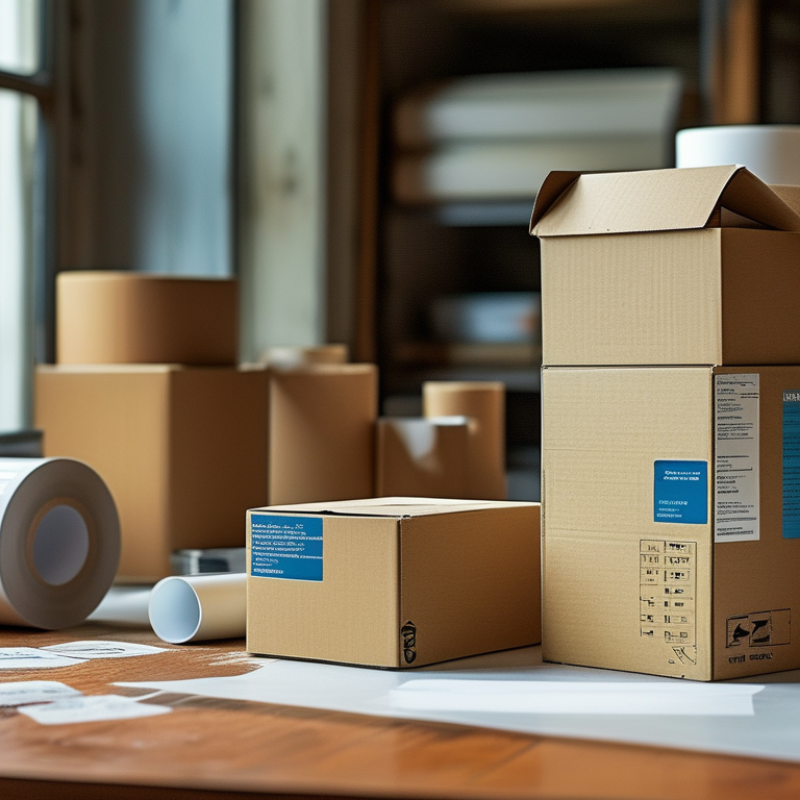
Benefits of Using Paper Self Adhesive in Various Projects
When considering your next project, paper self-adhesive materials offer a variety of benefits across multiple applications. According to industry reports, the global self-adhesive materials market is projected to reach USD 70 billion by 2027. This growth indicates a rising trend in the demand for versatile and eco-friendly solutions, which paper self-adhesives excel at providing.
One key advantage is their ease of use. Paper self-adhesive products are lightweight, convenient, and compatible with various surfaces. They can be cut, shaped, and applied without mess. Studies indicate that 45% of designers prefer paper materials for their sustainability, reducing plastic pollution. This eco-conscious choice resonates with consumers increasingly seeking biodegradable options.
However, there can be challenges. The adhesive quality may weaken over time, especially in high humidity. It's essential to evaluate the lifespan needed for your project. Crafting experts suggest that understanding the specific requirements—like durability and appearance—is crucial to avoid missteps. With the right approach and knowledge, paper self-adhesives can elevate your projects while remaining environmentally responsible.
Why Choose Paper Self Adhesive for Your Next Project? - Benefits of Using Paper Self Adhesive in Various Projects
| Project Type |
Benefit |
Application |
Durability |
| Arts and Crafts |
Easy to cut and manipulate |
Scrapbooking, card making |
Medium |
| Packaging |
Customizable designs |
Product labels, gift wrapping |
High |
| Office Use |
Convenient note-taking |
Sticky notes, reminders |
Medium |
| Home DIY |
Versatile and user-friendly |
Wall decor, furniture refinishing |
High |
| Education |
Great for teaching materials |
Posters, project displays |
Medium |
Types of Paper Self Adhesive and Their Unique Features
Paper self-adhesive materials are gaining traction in various industries due to their versatile applications.
These adhesives come in different types, each catering to specific needs.
For instance, removable adhesive paper enables easy repositioning without leaving residue, making it ideal for temporary signage.
A 2022 industry report indicated that 47% of businesses prefer this type for marketing campaigns.
Another popular option is permanent adhesive paper, known for its strong bonding strength.
This type is often used for labels and packaging.
A study revealed that permanent adhesive solutions account for around 35% of the total paper adhesive market.
Users appreciate the durability, yet they sometimes face challenges regarding removal.
Once applied, it can be troublesome to peel off without damaging the surface beneath.
Eco-friendly paper self-adhesives are also emerging, appealing to environmentally conscious consumers.
These products often feature biodegradable components, which align with sustainability goals.
However, their availability can be limited, and performance varies.
As the market evolves, these factors require careful evaluation.
The diversity and specific applications of paper self-adhesives emphasize the importance of selecting the right type for each project.
How to Choose the Right Paper Self Adhesive for Your Needs
When selecting the right paper self-adhesive for your needs, consider the application. Different projects may require specific finishes. For instance, matte finishes work well for a sophisticated touch. Glossy surfaces can enhance colors, making them pop. Think about the environment too. If your project is meant for outdoor use, durability is key.
It's crucial to assess the adhesive strength. Some adhesives are designed for temporary use, while others are meant for long-term applications. Testing a small area is wise before fully committing. Additionally, consider the paper's thickness. Thicker paper can provide added sturdiness, but may be difficult to work with in intricate designs.
Don't forget about the dimensions of your project. Measure carefully to avoid wastage. If you're unsure about the adhesive type, seek samples to test. Observe how well each option adheres to various surfaces. This reflection can prevent future errors and enhance your project's outcome. By carefully considering these aspects, you can make a more informed decision that aligns with your vision.
Why Choose Paper Self Adhesive for Your Next Project?
Tips for Proper Application of Paper Self Adhesive Products
When applying paper self-adhesive products, precision is key. Ensure your surface is clean and smooth. Dust and residue can hinder adhesion. Start by cautiously peeling back a portion of the backing. This helps you position the adhesive accurately. A good grip is essential. Press down firmly, smoothing out air bubbles as you go. A plastic scraper can aid in this process.
Consider the environment where the adhesive will be applied. High humidity can impact the adhesive's performance. If possible, avoid applying in damp conditions. For larger projects, work in sections. This allows for better control and less frustration. Always test a small area first. This helps you gauge how well it adheres and whether the finish meets your expectation.
Mistakes happen, so don’t rush. If you misplace the adhesive, carefully peel it back and reposition. Be mindful of how much stress is put on the edges after application. Edges may lift if not sealed correctly. Regular checks will help maintain a polished appearance over time. Taking these steps will enhance your results, leading to a more satisfying project experience.
Environmental Considerations of Using Paper Self Adhesive Materials
When considering materials for your projects, paper self-adhesive options stand out for their environmental benefits. Unlike plastic-based adhesives, paper is a renewable resource. It decomposes naturally, reducing landfill waste. This characteristic is essential as we focus on sustainable practices in design and manufacturing.
Using paper self-adhesive materials can elevate your project's eco-friendliness. However, sourcing can be tricky. Not all paper is produced sustainably. It's vital to check if trees are responsibly managed. Certifications can help guide you. By being proactive in choosing certified materials, you can ensure that your project contributes positively to the environment.
Additionally, the adhesive properties of paper can vary. Some options may perform better than others under specific conditions. It's worth experimenting to find the right fit for your application. This process might lead to unexpected challenges, but it can also foster creativity. Embracing these limitations can enhance the overall outcome, encouraging you to think outside the box.


 +86-15362608169