How to Create Custom Label Stickers for Your Projects?
In recent years, the label sticker industry has seen significant growth, driven by customization trends and user engagement. According to a report by MarketsandMarkets, the global label market is projected to reach $50 billion by 2025, showcasing the rising demand for personalized products. As consumers seek unique branding and creative expression, creating custom label stickers for various projects has become essential.
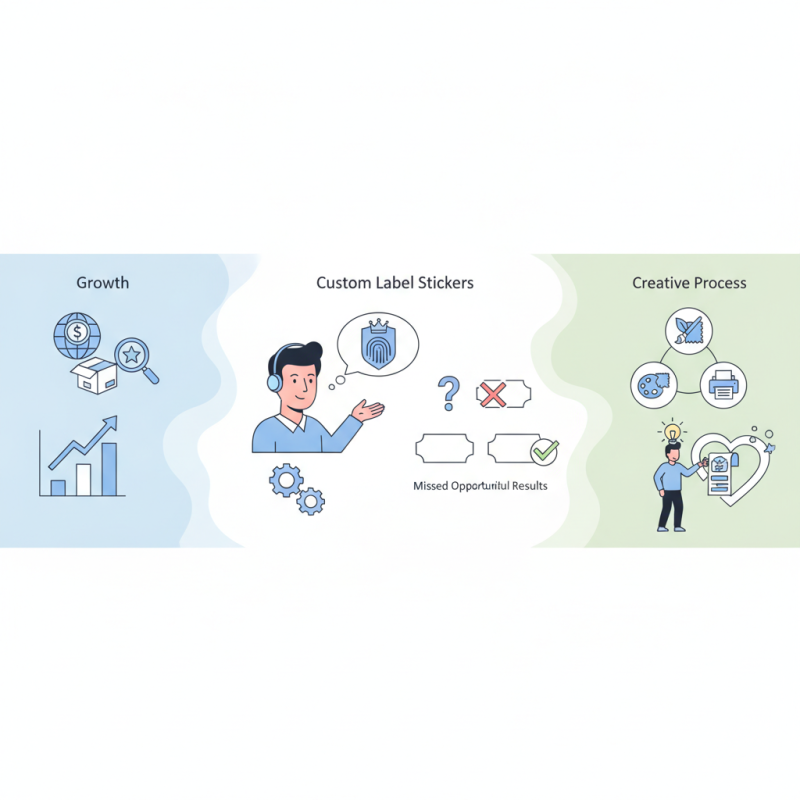
Expert John Doe, a leading figure in the label sticker industry, emphasizes the importance of personalization: “Custom labels provide a unique identity that sets products apart.” This insight highlights the growing need for businesses and individuals to embrace custom labels. However, many still overlook the potential of tailor-made label stickers, leading to missed opportunities.
Creating custom label stickers can be simple yet rewarding. It requires an understanding of materials, design, and printing techniques. Individuals may struggle with the design or the choice of the right materials. Yet, overcoming these hurdles can lead to impactful results. Embracing this creative process not only enhances aesthetic appeal but also aligns with the broader trend of personal branding. The future of labeling is here, and customization is at its heart.
Understanding the Different Types of Label Stickers for Projects
Creating custom label stickers starts with understanding the different types. Each type serves unique purposes. For instance, paper labels are ideal for indoor projects. They are easy to write on and affordable. However, they may not hold up in wet conditions.
Vinyl labels are more durable and waterproof. They work well for outdoor use. These stickers can feature vibrant colors and intricate designs. Use them for items like water bottles or outdoor gear. Remember that they can be a bit more expensive than paper labels.
Tips: Always consider the surface where you'll apply the stickers. A smooth surface ensures better adhesion. Testing your labels on different materials can help you find the best fit. It's essential to think about your project needs. Reflect on your choices, and don't be afraid to try different types. It might take time to find what works best.
Selecting the Right Materials for Custom Label Stickers
When creating custom label stickers, choosing the right materials is crucial. Different projects require different properties. Glossy paper, for instance, enhances colors and makes them pop. Matte finishes provide a subtle and elegant look. Both have unique benefits that cater to various aesthetic preferences.
Additionally, adhesive strength is vital. If you're labeling items for storage, a strong adhesive works best. It ensures long-lasting application. If you need temporary labels, opt for a removable adhesive. This allows you to change labels without leaving residue. Recognizing these nuances can impact your project's success.
Waterproof materials offer durability for outdoor use. However, not all labels need this feature. Some may choose cheaper alternatives for indoor use. Reflecting on the needs of your project is essential. Consider usage scenarios; it can prevent wasted materials. Balancing cost and functionality is not easy, but it is necessary.
How to Create Custom Label Stickers for Your Projects? - Selecting the Right Materials for Custom Label Stickers
| Material Type |
Finish |
Adhesive Type |
Durability |
Best Use Case |
| Vinyl |
Matte |
Permanent |
Outdoor |
Bumper stickers |
| Paper |
Glossy |
Removable |
Indoor |
Product labels |
| Polyester |
Clear |
Permanent |
Waterproof |
Chemical labels |
| Magnetic |
Matte |
N/A |
Reusable |
Fridge labels |
| Weatherproof paper |
Satin |
Permanent |
Water-resistant |
Outdoor signs |
Designing Eye-Catching Labels: Tips and Best Practices
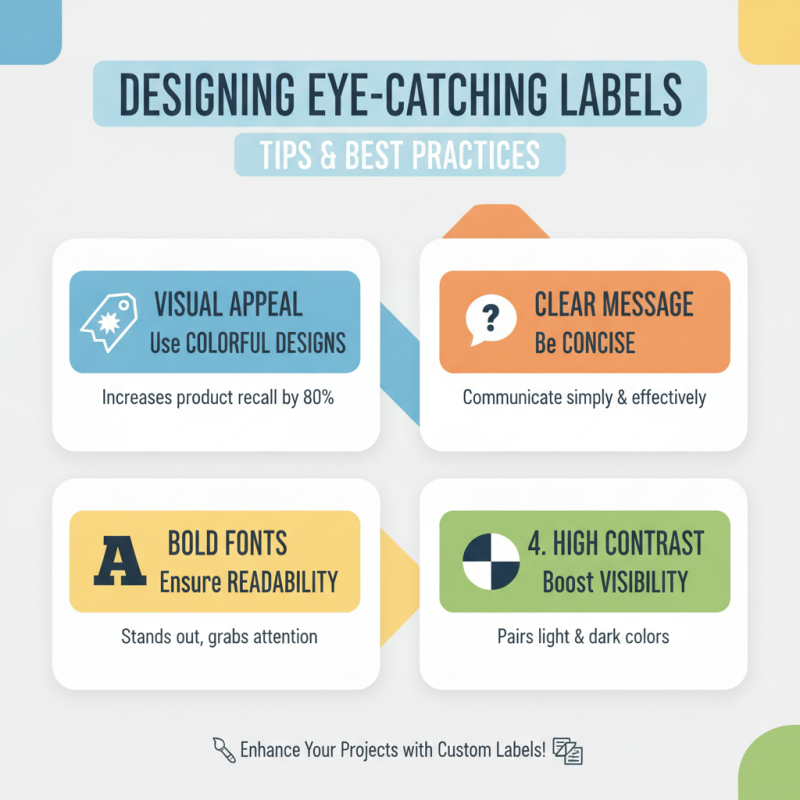
Creating custom label stickers can enhance your projects significantly. Eye-catching designs grab attention. Studies show that colorful labels can increase product recall by 80%. Focusing on a clear message is crucial. The best labels communicate information effectively, yet simply, often employing bold fonts and high-contrast colors.
In the realm of design, research indicates that simplicity is key. Overly complex designs can confuse viewers. Aim for a balance between creativity and functionality. Consider your audience’s preferences; surveys reveal that 72% prefer straightforward designs. Test various styles and gather feedback. Sometimes, what seems appealing to you may not resonate with others.
Material choices also play a role. Matte finishes often feel more premium, while gloss adds vibrancy. Each type has its merits. Brands that experiment find potential flaws in their choices, sparking new ideas. Evaluate the durability of materials based on intended use. Labels should withstand handling and environmental factors. Remember, labels often represent your brand, so invest time in perfecting them.
Printing Methods: Choosing Between Digital and Traditional Techniques
When it comes to creating custom label stickers, choosing the right printing method is crucial. There are two main routes: digital and traditional techniques. Digital printing offers quick turnaround times and vibrant colors. It allows for easy customization, perfect for small batches. However, it can sometimes be more expensive for larger runs.
Traditional methods like offset printing can deliver superior quality for bulk orders. The colors are often deeper and more precise. But the initial setup costs can be high, and changes in design require more effort and expense. This method also involves longer production times. Be prepared for potential delays if you go this route.
**Tips:** Always assess your project's scale before deciding. For smaller projects, digital may be better. For larger ones, traditional may save costs in the long run. Experiment with different materials too. Some sticker substrates work better with specific printing methods. Reflect on your desired outcome—this will guide your choice.
Utilizing Software for Custom Label Design: Top Industry Tools
Creating custom label stickers can greatly enhance your projects. With the right software, you can design labels that meet your specific needs. Many industry tools are available today, making the process easier than ever.
When choosing software, consider user-friendliness. Some tools require extensive training, which may slow down your project. Look for applications that offer templates. They can jumpstart your creativity. Incorporating your branding elements in these templates often requires adjustment. Be prepared for trial and error as you design.
Tips: Experiment with different shapes and colors. Sometimes, what seems appealing might not work as expected. Don't hesitate to step outside your comfort zone, but keep essentials in mind – legibility is key. You might face some technical limitations. Embrace these challenges; they can lead to innovative solutions.
Make sure to gather feedback on your designs. Others may see things you overlooked. Iteration is essential. Often, the first draft is not the final product. A little reflection can transform a decent design into something exceptional.
Custom Label Design Tools Usage Statistics


 +86-15362608169