10 Essential Tips for Choosing the Best Metal Labels for Your Needs?
Choosing the right metal labels can greatly enhance your projects. Metal labels are durable, versatile, and provide a professional finish. However, selecting the best ones requires careful consideration.
When evaluating metal labels, think about the intended use. Different materials and finishes can affect the label's longevity and appearance. For instance, aluminum labels are lightweight and resistant to rust, while stainless steel offers superior longevity.
It's essential to consider the labeling method too. Will you use engraving or printing? Each method has distinct pros and cons. Engraved labels are often more durable but may have a higher upfront cost. Reflect on your specific needs and environment to make an informed choice. Consider where the labels will be placed and for how long. They should withstand varying environments, from outdoor settings to industrial conditions. Balancing quality with your budget is vital. Investing in high-quality metal labels saves money in the long run.
Understanding the Different Types of Metal Labels Available
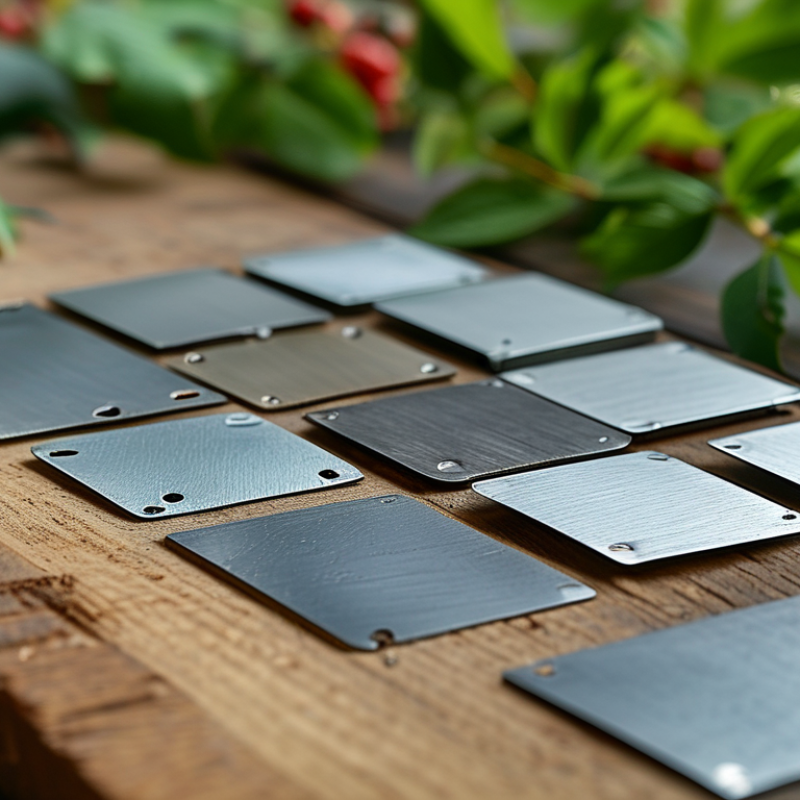
When choosing metal labels, it’s vital to understand the various types available. Aluminum labels are lightweight and corrosion-resistant, making them popular for many applications. They provide durability and can be easily engraved or printed for clear visibility. Stainless steel labels offer additional strength and resistance to chemicals and moisture. This makes them ideal for harsh environments.
Consider the type of information you need on the labels. Will you require barcodes or QR codes for inventory management? Think about how long you need the labels to last. Temporary labels may suffice for short-term needs, while permanent labels are essential for long-lasting durability.
When selecting a label, look at their finish. Matte finishes reduce glare, ensuring readability in bright light. Glossy finishes are visually appealing but may reflect light, complicating reading. Pay attention to the adhesive as well. Some labels need strong adhesives for rough surfaces, while others work best with smooth materials. By exploring these aspects, you can ensure you choose the right metal labels to meet your specific requirements.
Assessing Durability and Resistance of Metal Label Materials
When selecting metal labels, durability is a key factor. You want materials that can withstand tough environments. Think about where these labels will be used. Will they be exposed to chemicals or extreme temperatures? Stainless steel is a popular choice due to its resistance to corrosion. It lasts longer than many alternatives. However, consider the specific conditions your labels will face.
Resistance is another critical aspect. Some metals can scratch easily or fade over time. Anodized aluminum offers excellent durability and more vibrant colors. But it may not be as scratch-resistant as stainless steel. Reflect on your label’s purpose. If visibility is crucial, the color choice matters greatly. In a harsh environment, heavier materials may be necessary to avoid wear and tear. Each option has trade-offs that require careful thought.
Evaluate your needs critically. Are you prioritizing aesthetics or functionality? It's important to know the label's exposure to outdoor elements, such as moisture and UV light. This awareness shapes your material choice. Metal labels can be an investment. Many brands promise longevity, yet experiences vary. Engage with others in your industry. They can provide insight that helps you make the right decision.
Identifying Customized Options for Specific Applications
When selecting metal labels for specific applications, identifying customized options is key. Customization allows you to meet the unique demands of your project. For instance, the global label market is expected to grow significantly, reaching approximately $46.5 billion by 2026, according to a recent industry report. Understanding this market growth can guide you in finding appropriate solutions.
Different applications require different properties. For outdoor use, select labels resistant to UV rays and extreme temperatures. For equipment identification, prioritize durability and corrosion resistance. These details matter. They directly impact label longevity and effectiveness.
Consider these tips for effective customization. First, assess your intended use. Is it for inventory, branding, or safety? Conducting this analysis can clarify your needs. Second, think about the design—colors and fonts should align with your brand identity. Lastly, ensure your chosen material meets industry standards. Failure to follow these steps can lead to ineffective labels, wasting time and resources. Customization is an investment that requires thoughtful planning and consideration.
Evaluating Printing Techniques for Metal Labels
When selecting metal labels, printing techniques play a vital role in determining quality and durability. There are several methods available, each with unique attributes.
Digital printing offers flexibility and excellent detail. It's ideal for intricate designs. However, it may lack longevity under harsh conditions. Consider your environment when making this choice.
Another option is screen printing, which provides vibrant colors and strong adhesion. This method excels in outdoor applications. Yet, it requires more setup time, making it less suitable for smaller runs.
Engraving is another robust technique. It cuts through the metal, ensuring the design withstands wear and tear. This can be a great long-term investment.
Additionally, the choice of ink and protective coatings matters. Some inks can fade quickly, impacting legibility. Coatings can prevent corrosion but may alter the label’s appearance. Reflecting on these aspects allows for a more informed decision.
Prioritize your specific needs and the conditions the labels will face. Doing so can lead you to the best option for your project.
Considering Cost-Effectiveness and Supplier Reliability
When selecting metal labels, cost-effectiveness and supplier reliability are paramount. A less expensive label may save money initially, but this often leads to quality issues. Cheap materials can cause fading or peeling, increasing replacement costs. Always balance price with quality.
Reliable suppliers help ensure consistent product quality. Research their track record by reading reviews and testimonials. A trustworthy supplier often has a strong customer service team. They will address concerns promptly and provide support. Look for suppliers offering warranties. This indicates confidence in their products.
While considering these factors, be aware of your specific requirements. Each application may need different label features. Reflect on your environment and usage scenarios. Labels exposed to extreme conditions may require additional durability. Balancing cost with unique requirements takes thought, but it is crucial for a successful choice.


 +86-15362608169