Why is Thermal Paper Essential for Receipts and Labels?
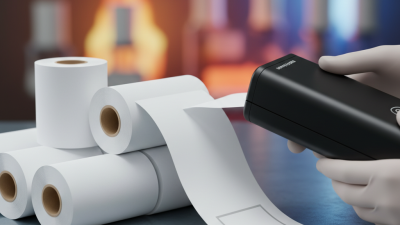
Thermal Paper plays a crucial role in the retail and labeling industry. According to industry reports, the global thermal paper market is expected to reach $5.7 billion by 2027. This growth highlights the importance of thermal paper for various applications. Retailers rely on it for quick and efficient receipt printing.
With advancements in technology, thermal paper has evolved. It now offers better durability and print quality. Recent studies show that 60% of consumers prefer electronic receipts for environmental reasons. However, thermal paper remains popular for its convenience. Its unique properties make it ideal for point-of-sale systems.
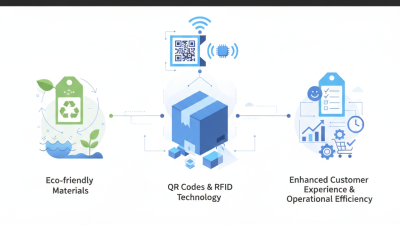
Despite the many advantages, concerns exist about the environmental impact of thermal paper. It often contains harmful chemicals. This raises questions about its long-term sustainability. As businesses consider eco-friendly alternatives, the demand for innovative thermal paper solutions is increasing. This ongoing dialogue reflects the industry’s commitment to balancing efficiency and environmental responsibility.

Importance of Thermal Paper in Commercial Transactions
Thermal paper plays a crucial role in commercial transactions. This specialized paper reacts to heat, creating sharp and clear images without the need for ink. As businesses strive for efficiency, thermal paper simplifies the receipt and label printing processes. It reduces printing costs and enhances the speed of transactions, allowing for quick customer service.
In retail and hospitality, the significance of thermal paper becomes evident. Companies use it for receipts that customers take home. The clarity of the printed information is vital for record-keeping, returns, and exchanges. Many operations overlook the environmental impact of thermal paper production. While it offers convenience, the sourcing and disposal of thermal paper contribute to waste. This brings forth important questions about sustainability and eco-friendliness.
Some businesses rely heavily on thermal labels for shipping and inventory management. These labels withstand various conditions and adhere well to different surfaces. However, improper storage of thermal paper can lead to poor print quality. Storing paper in warm, humid environments can ruin efficiency. A balance must be struck between convenience and responsible practices. It's essential to reflect on how thermal paper fits into a broader sustainable strategy.
Characteristics of Thermal Paper that Enhance Usability
Thermal paper has become an integral part of receipt and label printing due to its unique characteristics. This type of paper is coated with a special heat-sensitive layer that allows it to change color when exposed to heat. The resulting printed image is clear and smudge-proof, making it ideal for high-traffic environments. According to a report by Grand View Research, the thermal paper market is expected to reach $3.5 billion by 2025, highlighting its importance across various industries.
One notable characteristic of thermal paper is its quick-drying feature. Unlike traditional ink-based printing, thermal prints don't require drying time, which streamlines the checkout process. This can lead to improved customer satisfaction, especially in busy retail settings. Notably, thermal paper is also resistant to water damage. However, it’s important to acknowledge that prolonged exposure to direct sunlight can lead to fading. This raises concerns in outdoor applications, where durability might be compromised.
Sustainability is another critical aspect of thermal paper. Manufacturers are increasingly producing eco-friendly options that reduce environmental impact. Reports indicate that the demand for sustainable thermal paper is rising, driven by consumer awareness. Yet, not all thermal papers are created equal—some contain BPA, raising health concerns. Users must carefully consider these factors when selecting thermal paper to balance usability and safety.
Characteristics of Thermal Paper that Enhance Usability
Comparison of Thermal Paper to Traditional Receipt Paper
When comparing thermal paper to traditional receipt paper, several distinctions emerge. Thermal paper utilizes a specialized heat-sensitive coating. This allows for images and text to appear through heat application. In contrast, traditional paper requires ink or toner for printing. The absence of ink simplifies usage. However, thermal paper cannot be overwritten or altered once printed, which can be a limitation.
Durability is another critical factor. Thermal paper is known for its high sensitivity to light and heat, which can lead to fading over time. Traditional paper, while potentially more robust against environmental factors, can be susceptible to smudging from moisture. This presents challenges in storage and longevity. In practice, businesses must weigh the benefits of quick printing with thermal paper against the risk of receipt deterioration.
Cost-efficiency often tips the scale. Thermal paper may have a higher upfront cost, but savings manifest in reduced ink needs. This economic advantage becomes particularly apparent in high-volume transactions. Yet, some users might find the expense of replacement and wastage on thermal printers frustrating. Finding the right balance between efficiency and expense requires careful consideration.
Applications of Thermal Paper in Labels and Packaging Solutions
Thermal paper plays a crucial role in the labeling and packaging industry. Its ability to produce high-quality prints without the need for ink is a key advantage. In fact, the global thermal paper market is expected to reach $5.5 billion by 2026, according to industry reports. This growth is driven by its wide application in retail and logistics.
One major application of thermal paper is in shipping labels. These labels require durability and quick printing capabilities. Without quality thermal paper, delays can occur. Furthermore, studies show that thermal paper labels have a lifespan of over five years, which is essential for tracking and logistics purposes. In supermarkets, thermal paper is vital for receipt generation. A report indicates that around 70% of retailers use thermal paper for receipts. This ensures quick transactions and efficient customer service. Yet, there are concerns regarding the environmental impact of some thermal papers.
In packaging solutions, thermal paper provides excellent barcode printing. Many manufacturers rely on these barcodes for inventory management. However, thermal paper can sometimes smudge or fade over time. This can lead to potential issues in inventory tracking. Addressing these imperfections is crucial for enhancing the reliability of thermal paper in logistics.
Environmental Considerations of Using Thermal Paper in Business
The use of thermal paper in business raises important environmental considerations. Thermal paper contains harmful chemicals like BPA and BPS. These substances can leach into the environment when disposed of improperly. Studies show that recycling thermal paper is challenging due to these chemicals. This means much of it ends up in landfills, contributing to pollution.
According to a report from the Environmental Protection Agency, over 3 million tons of paper waste comes from receipts and labels each year. A significant portion of this is thermal paper, which is often not recyclable. Businesses must consider alternatives. Eco-friendly options are emerging but may not be widely adopted yet.
Consumer awareness is growing. Research indicates that 63% of customers prefer businesses that use sustainable materials. Companies focusing on reducing their environmental footprint might gain a competitive edge. It’s essential for businesses to reflect on their choice of materials and explore greener solutions. The balance between functionality and environmental impact is a new frontier for many industries.


 +86-15362608169