

 +86-15362608169


Industry News
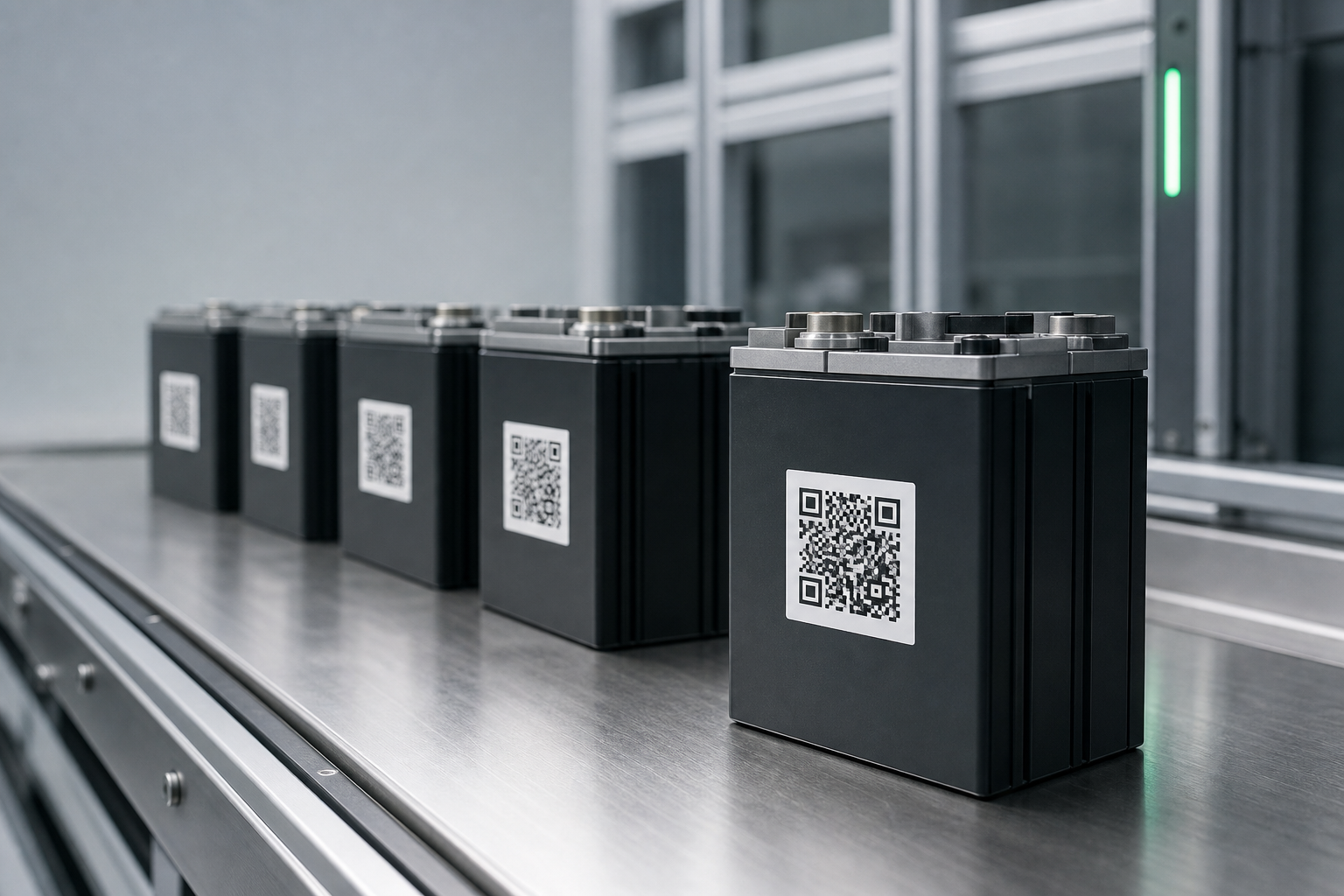







EU Battery Passport: QR Labels Are Mandatory from 18 February 2027
2026-09-10
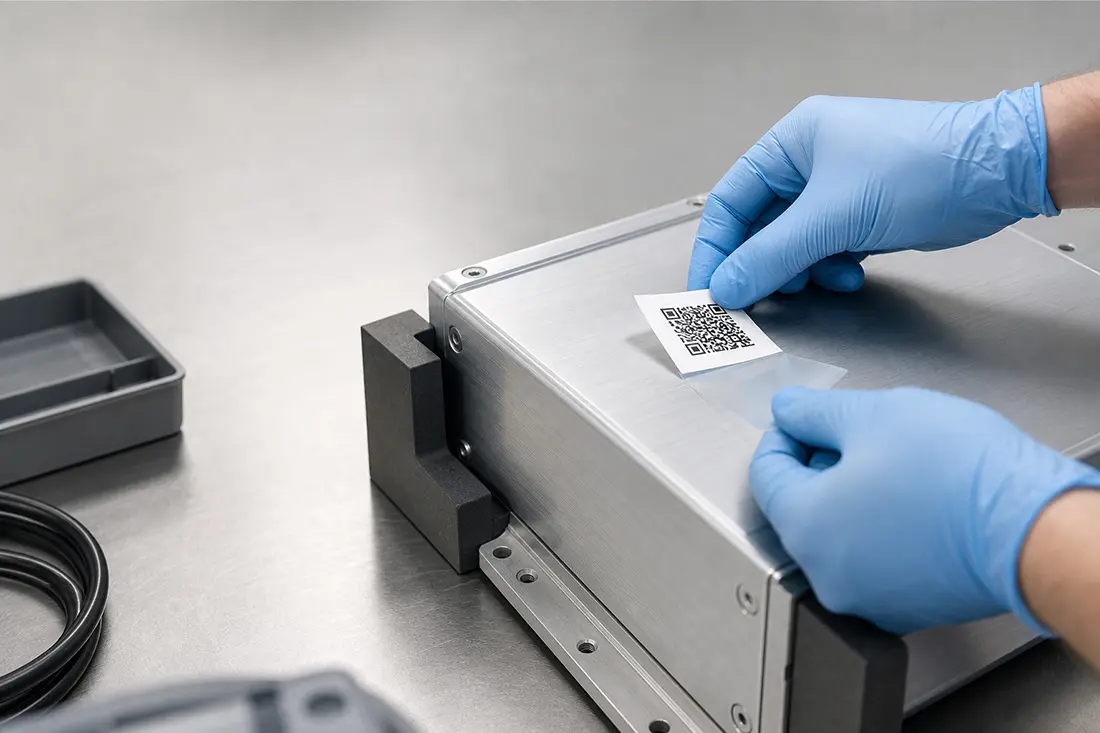
Every battery sold in the EU will need a QR code. Three categories must also link that code to a battery passport — and that changes what the label has to survive.
| Item | Detail |
|---|---|
| Deadline | 18 February 2027 |
| Legal basis | Regulation (EU) 2023/1542 |
| QR code required | All batteries — Article 13(6), QR code per Annex VI Part C |
| Battery passport required | EV, LMT and industrial batteries above 2 kWh — Article 77 |
| Data carrier | QR code, typically GS1 Digital Link |
| Placement | Durably on the battery itself, or on the primary packaging where direct marking is not technically possible |
What changes
Two obligations start on the same day. Article 13(6) puts a QR code on every battery placed on the EU market. Article 77 requires only EV, LMT and industrial batteries above 2 kWh to link that code to a battery passport — a per-unit record of identity, composition, performance, carbon footprint and end-of-life data. SLI and portable batteries stay outside the passport, but still need the QR code.
The passport is selective. The QR code is not.
One more detail matters more than it looks: the passport belongs to the individual unit, not the model. Every battery needs its own serialised, verified marking — at line speed.
What it means for the label
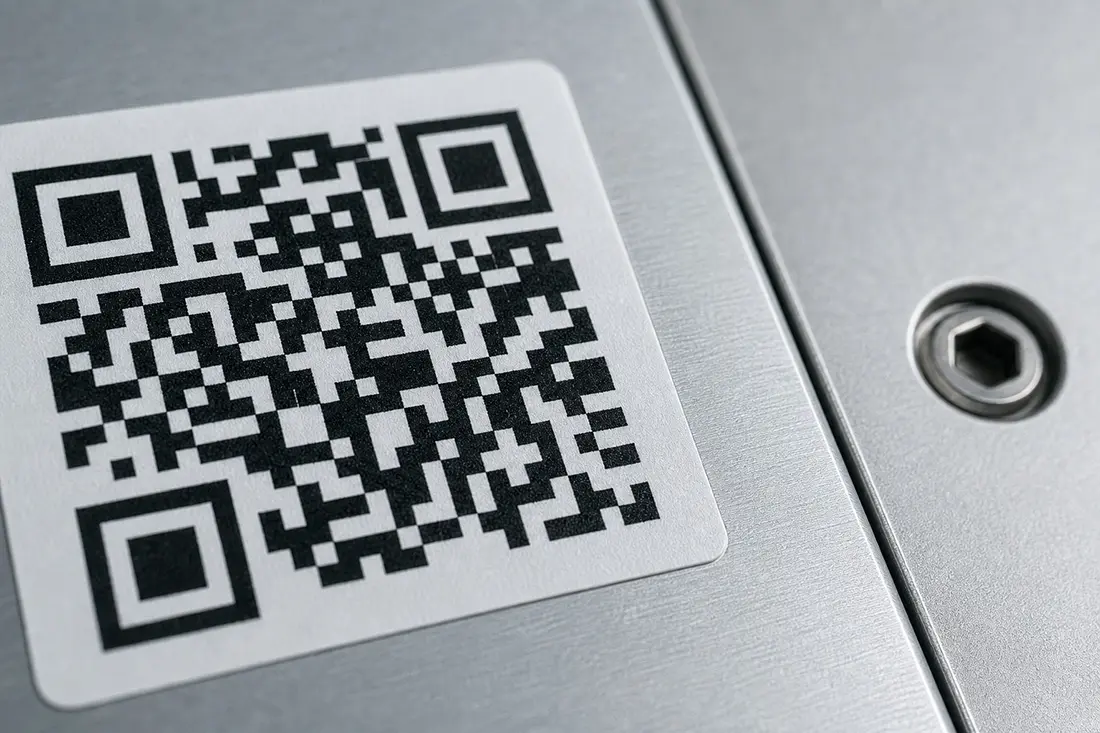
- Durability is now the spec. The marking must stay readable through years of industrial or automotive service — abrasion, chemicals and temperature, not standard paper.
- Placement is a design decision. Deciding late means re-tooling.
- Print quality is measured. ISO/IEC 15415 grading is how readability is proven. Put verification in incoming inspection, not after shipment.
- Serialisation at speed. One code per unit, validated individually — a variable-data job, not a static plate.
Before February 2027
- Check which products fall under Article 77 and which only under Article 13(6).
- Lock the marking position into the mechanical design.
- Choose label materials against real service conditions.
- Agree a code grading standard and sampling rate with your label supplier.
FAQ
Do all batteries need a QR code? Yes — from 18 February 2027, under Article 13(6).
Which batteries need a passport? EV, LMT and industrial batteries above 2 kWh (Article 77).
Where does the code go? Durably on the battery, or on the primary packaging where on-product marking is not technically possible.
Sources: Regulation (EU) 2023/1542 — EUR-Lex | EU Battery Passport guide | European Commission — DPP Batteries