What Are the Benefits of Using Thermal Transfer Labels in China?
In the dynamic landscape of labeling solutions, Thermal Transfer Labels have emerged as a crucial element for businesses in China. Renowned expert in labeling technology, Dr. Liu Wei, states, "Thermal Transfer Labels enhance product identification while ensuring durability." This highlights the importance of these labels in various industries, from logistics to retail.
These labels offer exceptional clarity and longevity, making them indispensable for companies seeking quality. They provide sharp images and barcodes that resist fading and smudging, even in challenging environments. However, the improper use can lead to label degradation. It’s essential to pair the right ribbon with the label material for optimal results.
The application of Thermal Transfer Labels extends beyond industries. They cater to both small and large enterprises, aiding in efficient inventory management and compliance. As businesses evolve, the role of these labels continues to grow. Despite their advantages, companies must critically assess their labeling needs and ensure they leverage the full potential of Thermal Transfer Labels.
Benefits of Thermal Transfer Labels for Product Identification
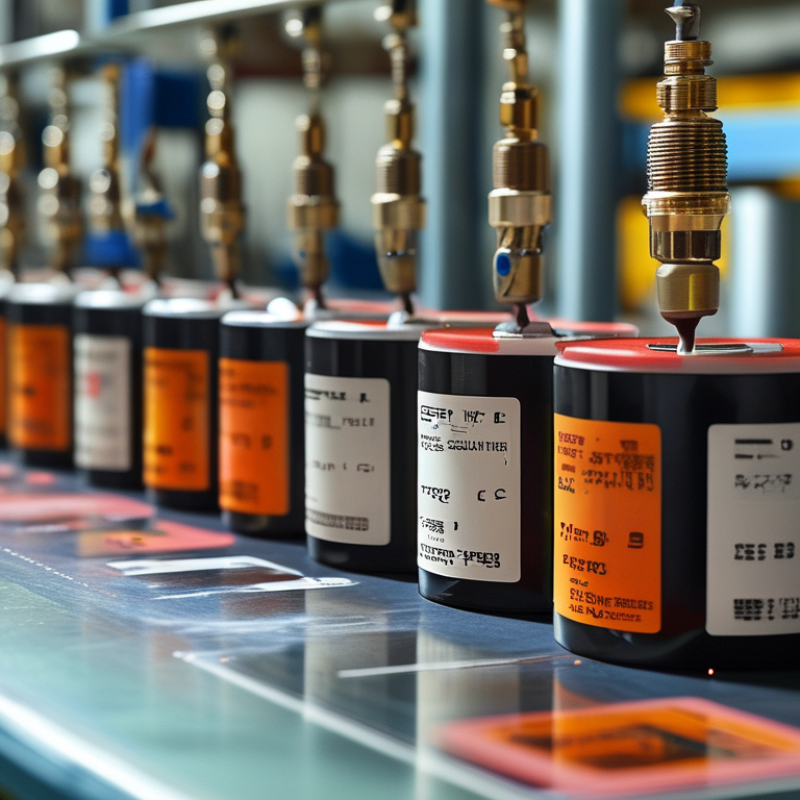
Thermal transfer labels play a crucial role in product identification in China. They are known for their durability and clarity. These labels are resistant to various elements, such as moisture and chemicals. This resilience is essential for products that may face harsh conditions. The high-resolution printing ensures that barcodes and text remain scannable.
Using thermal transfer labels simplifies inventory management. Companies can quickly track products, optimizing the supply chain. This efficiency is key for businesses aiming to stay competitive. The consistent quality of these labels reduces errors in product identification. Accurate labels mean fewer returns and customer complaints.
**Tip:** Choose a suitable ribbon for your thermal transfer printer. The right ribbon influences the print quality and label longevity.
Another benefit of thermal transfer labels is their versatility. They can be used on various materials, including plastic, glass, and cardboard. This adaptability makes them ideal for different products in various industries. However, users must ensure the label material is compatible with the intended surface. The wrong combination can lead to adherence issues.
**Tip:** Test labels on your product before mass printing. This step helps to identify potential adhesion problems early.
Enhanced Durability and Longevity of Thermal Transfer Labels
When considering labeling solutions in China, thermal transfer labels stand out for their durability and longevity. These labels use a heat transfer process that creates crisp and clear images. This method enhances resistance against fading and smudging. Businesses benefit from labels that remain legible for extended periods, even in harsh conditions.
For industries like logistics and manufacturing, label integrity is crucial. A label that can withstand moisture, abrasion, and temperature fluctuations ensures that important information stays intact. This reliability can reduce operational disruptions. Additionally, the longevity of thermal transfer labels can lead to cost savings over time, as businesses require fewer replacements and less frequent printing.
Yet, the choice of materials and printing techniques is essential. Poor quality substrates can diminish the performance of thermal transfer labels. Companies must assess the environment and application carefully. Many find that testing different combinations yields the best results, even if it means going through a trial-and-error phase. In conclusion, effective labeling requires careful consideration, but the advantages of thermal transfer technology are clear.
Cost-Effectiveness in Mass Production Scenarios
Thermal transfer labels are becoming increasingly popular in China, particularly for mass production. These labels use a thermal printing process that ensures high-quality prints on diverse materials. They are notably cost-effective for companies aiming to scale operations. According to recent industry reports, businesses can save up to 30% in labeling costs when switching to thermal transfer methods.
In scenarios where large volumes of products are produced, the initial investment in thermal transfer printers quickly pays off. For example, producing labels in bulk can reduce the cost per label to as low as 0.05 yuan. This substantial savings allows companies to reinvest in other areas. The longevity of these labels also means less frequent replacements, contributing to overall savings.
However, challenges remain. Transitioning to thermal transfer labeling may require a learning curve for operators. It is essential to train staff properly to achieve optimal results. Additionally, ensuring the right printer and materials are available is vital. In some cases, businesses may face issues with compatibility. This gap can lead to increased downtime and hinder productivity. Keeping such factors in mind is crucial for maximizing the benefits of thermal transfer labels in large-scale production operations.
Eco-Friendly Considerations of Thermal Transfer Labeling
Thermal transfer labels are becoming increasingly popular in China, especially with a focus on eco-friendly practices. These labels utilize a heat-sensitive ribbon to transfer ink onto the label material. This method reduces waste by using less ink compared to traditional printing processes.
One key benefit is the reduction of harmful chemicals. Thermal transfer labels often use water-based inks that are less toxic. This appeals to companies aiming for sustainable operations. However, sourcing the right materials is essential. Not all thermal transfer labels are created equal; some may still use materials that contribute to pollution. Choosing biodegradable options is a conscious decision that can minimize ecological impact.
Furthermore, businesses face challenges in finding suppliers that prioritize sustainability. The market is flooded with options, and it can be hard to verify claims. A commitment to eco-friendly materials needs to be backed by responsible sourcing and transparent supply chains. This level of diligence is vital in ensuring that the labels contribute to environmental goals rather than detract from them.
Benefits of Using Thermal Transfer Labels in China
Versatility in Various Industries and Applications in China
Thermal transfer labels are incredibly versatile. They find applications in various industries, including logistics and food packaging. In logistics, these labels help track shipments efficiently. Their durability ensures that they withstand the rigors of transport and storage. In the food industry, they maintain high standards of hygiene and traceability. These labels resist moisture and temperature fluctuations, making them ideal for perishables.
In healthcare, thermal transfer labels play a crucial role. They are used for labeling medication and medical supplies. Accurate labeling is vital for patient safety. Mislabeling can have serious consequences. Therefore, these labels must be resistant to smudging and fading.
**Tips:** When choosing thermal transfer labels, consider the material based on your specific needs. Some materials work better in extreme temperatures. Testing the labels in your environment can prevent future issues. Additionally, ensure that your printer settings optimize label quality. Adjusting temperature and speed can enhance print clarity.


 +86-15362608169