Top 10 Sticker Paper Label Tips for Global Buyers?
In the ever-evolving world of packaging and branding, the use of Sticker Paper Label has gained significant traction. According to a recent report by MarketsandMarkets, the global label market is projected to reach $55 billion by 2025. This growth highlights the increasing reliance on labeling for effective marketing and product identification. Experts emphasize the importance of quality in sticker production. As industry leader, Dr. Malcolm Reed, once stated, "Quality labels can make a product stand out in a crowded marketplace."
Navigating this market requires understanding the nuances of sticker paper labels. Material choice, adhesion properties, and printing techniques all play crucial roles. For instance, users must assess whether a permanent or removable adhesive is more suitable for their needs. Furthermore, many buyers overlook the importance of weather-resistance and opacity when selecting sticker paper. This oversight can lead to diminished label performance.
Lastly, while many strive for perfection in labeling, it’s crucial to acknowledge the potential for errors. Printing mistakes can cause delays and increased costs. Reflecting on these challenges is essential for improvement. Prospective buyers should prioritize learning from both successful implementations and setbacks in their sticker label journeys.
Understanding Different Types of Sticker Paper for Labeling Needs
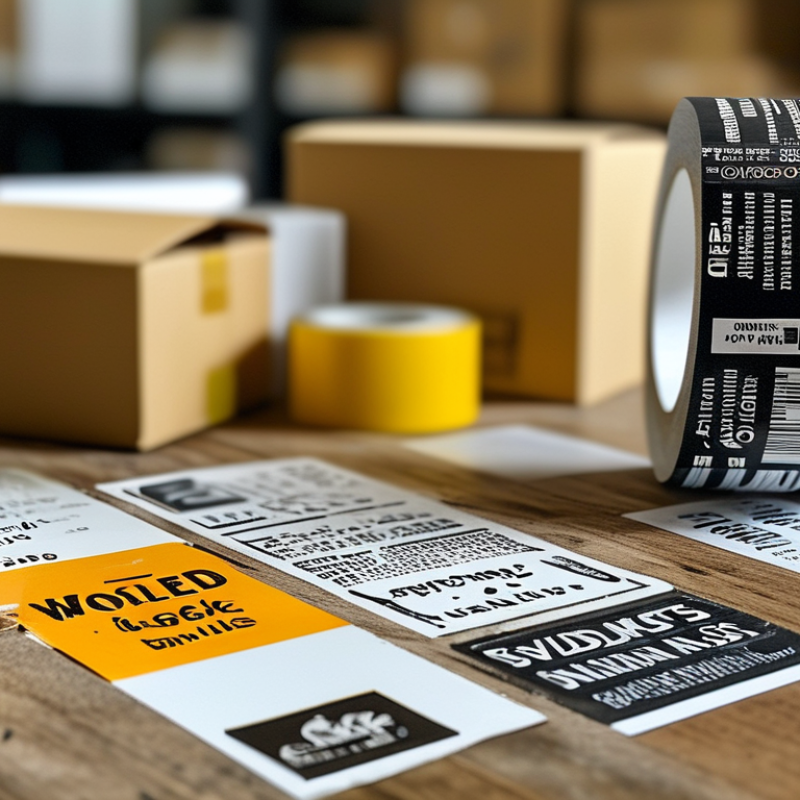
When selecting sticker paper for labeling, understanding the types available is crucial. There are mainly two categories: paper-based and synthetic options.
Paper-based stickers are often more affordable and eco-friendly. They are great for indoor use. However, they may not resist water or UV exposure.
In contrast, synthetic sticker papers, like vinyl, are incredibly durable. They withstand harsh conditions and are suitable for outdoor labeling.
According to a recent industry report, the global label market is projected to reach $50 billion by 2025, emphasizing the growing demand for various labeling solutions. Buyers should be aware that not all papers are created equal.
The weight, finish, and adhesive strength vary significantly. A heavier weight often adds durability while a gloss finish enhances colors but may increase glare.
While many assume all sticker papers perform similarly, real-world applications reveal inconsistencies. For instance, a glossy paper may smudge if not properly handled.
Additionally, some users report difficulties with adhesion when applying to textured surfaces. Users should test labels under their specific conditions before committing to large orders, as product performance can vary widely in practice.
Choosing the Right Adhesive for Your Specific Application
When selecting adhesive for sticker paper labels, understanding application requirements is crucial. Different materials require different adhesive types. Pressure-sensitive adhesives are popular for their ease of use. According to industry reports, around 70% of labels are produced with this type. They bond quickly without heat or water. This speed is essential for manufacturers who prioritize efficiency.
However, not all adhesives are created equal. Some may fail under extreme temperatures, humidity, or UV exposure. A recent study highlights that nearly 25% of adhesive failures are due to inadequate testing in specific environments. Choosing the wrong adhesive can lead to costly rework and waste. Understanding the end-user's environment helps in making an informed decision.
It's also important to consider the surface type. Adhesives designed for smooth surfaces may not work on textured ones. It's estimated that 30% of labels peel off prematurely because of mismatched surface compatibility. Buyers should conduct trials with different adhesives to find the best fit for their needs. Seeking expert advice can enhance decision-making, but it’s vital to question and reflect on every choice made during the selection process.
Top 10 Sticker Paper Label Tips for Global Buyers
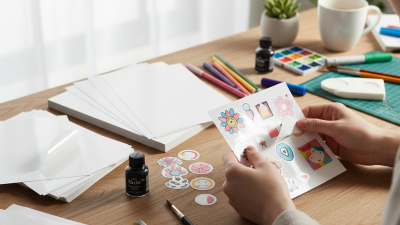
Tips for Designing Eye-Catching Sticker Labels
Creating eye-catching sticker labels requires a blend of creativity and strategic design. According to recent studies, 66% of consumers believe that well-designed labels impact their purchasing decisions. Colors, fonts, and layout play crucial roles in attracting attention. A striking color palette can increase visibility. A report by the Packaging Association highlighted that 50% of shoppers are drawn to products based on their labels alone.
Incorporating visual hierarchy is critical. Place the most important information at eye level. Bold your brand name and ensure readability. Statistics reveal that 63% of buyers prefer labels with straightforward info. Including textures can enhance tactile appeal. However, a misstep here could lead to a cluttered design that overwhelms the viewer.
Emphasizing simplicity often enhances effectiveness. Stick to 2-3 colors and avoid overloading with details. This minimalistic approach can boost your label's appeal. Meanwhile, actively seeking feedback can identify areas for improvement. A design that seems perfect at first glance might benefit from thoughtful revisions. Always be open to changes.
Printing Techniques to Ensure Vibrant and Durable Labels
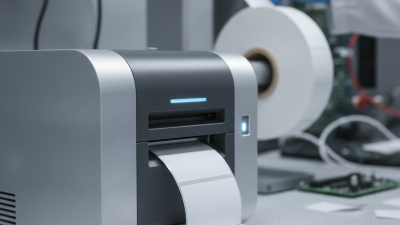
When it comes to printing vibrant and durable labels, the right techniques are essential. Choosing the right paper type is critical. Coated sticker papers often yield better colors, while uncoated can offer a more natural look. Always consider the end use of your labels. Are they meant for indoor or outdoor applications? This decision impacts the durability and print quality.
Ink choices also play a vital role in label quality. Pigment-based inks typically provide better resistance to UV light and moisture. Dye-based inks, on the other hand, can offer brighter colors but may fade faster over time. Ensure your printer settings are optimized for the best results. Color profiles should match the paper type to achieve accurate hues. Testing different combinations can lead to surprising results.
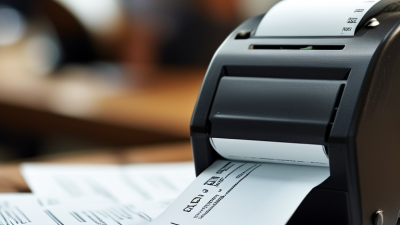
Spot-checking labels after printing is necessary. Look for smudging or fading, which can indicate issues with your printing process. Even small inconsistencies can affect overall appearance. Future iterations can benefit from these insights. Experimentation is key; not all techniques will yield perfect results every time, and learning from each print run is crucial.
Top 10 Sticker Paper Label Tips for Global Buyers
| Tip Number |
Tip Description |
Printing Technique |
Durability Rating |
Cost Effectiveness |
| 1 |
Choose the Right Material |
Inkjet Printing |
High |
Moderate |
| 2 |
Consider Waterproof Options |
Laser Printing |
Very High |
High |
| 3 |
Use a Proper Printer Setting |
Inkjet Printing |
Medium |
Low |
| 4 |
Test Print Before Full Run |
Universal |
High |
Very Low |
| 5 |
Check Ink Compatibility |
All Types |
High |
Moderate |
| 6 |
Consider the Finish Type |
Digital Printing |
Medium |
Moderate |
| 7 |
Be Mindful of Adhesive Strength |
Flexography |
High |
High |
| 8 |
Ensure Color Calibration |
Offset Printing |
Very High |
Moderate |
| 9 |
Use the Right Printer |
Laser Printing |
High |
High |
| 10 |
Finalize with a Protective Layer |
All Types |
Very High |
Moderate |
Best Practices for Storing and Handling Sticker Paper
When storing sticker paper, the environment matters. Keep it in a cool, dry place. Excessive heat and humidity can ruin the adhesive. A climate-controlled room is ideal. Ensure the paper is flat and not curled. It helps maintain quality and prevents damage over time.
Handling sticker paper requires care. Always use clean hands to prevent dirt. Fingerprints can affect adhesion. Avoid touching the sticky side. If contaminated, it may not stick well. When cutting or trimming, use a sharp knife or scissors for clean edges. Rough cuts can lead to peeling or curling.
Be aware of how you stack your sticker paper. Avoid heavy objects on top. This can create unnecessary pressure and lead to creases. When transporting, use a protective cover. A simple sleeve can shield against scratches and environmental exposure. These practices may seem simple, yet overlooking them can lead to disappointing results.


 +86-15362608169