message

What Are the Top Personalized Vinyl Stickers for 2026?

Personalized Vinyl Stickers are moving beyond simple decoration in 2026. They help small brands, artists, and everyday customers make ordinary surfaces feel personal. A sticker on a water bottle, laptop, or package can show a logo, a hand-drawn pet, or a favorite color. The best choice depends on where it will go and how it will be used.

Graphic designer Paul Rand famously said, “Design is the silent ambassador of your brand.” His observation applies to stickers, too, though a striking design cannot make up for poor printing. To compare this year’s options, it helps to look closely at material, adhesive, finish, color accuracy, and customization choices. A glossy finish may brighten bold artwork; a matte surface can feel quieter and reduce glare. Neither is automatically better.

This guide explores popular sticker styles and the details buyers should check before ordering. We’ll consider durability, print clarity, shape, and value, along with practical uses for personal projects and small businesses. A waterproof claim deserves scrutiny: performance can vary with the surface, exposure, and application. Small print may blur. Colors may shift slightly. Those details matter, and they are easy to overlook when a screen preview looks perfect. The aim is not to crown one sticker for everyone, but to help readers find an option that fits their design, budget, and real-world use.
What Are the Top Personalized Vinyl Stickers for 2026?

Understanding Personalized Vinyl Stickers and Their Uses

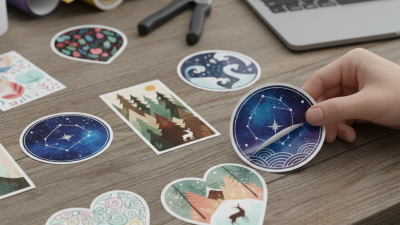
Personalized vinyl stickers are custom-cut or printed graphics made for a particular person, project, or surface. Names, illustrations, short messages, and color choices can make them feel distinctive without changing how they work. They are often used on notebooks, water bottles, storage boxes, laptops, and small business packaging. A sticker should suit the object, not just look attractive on a screen.

Material and finish matter. Vinyl can handle everyday handling, but water resistance and outdoor life depend on the film, ink, protective coating, and application surface. A smooth, clean surface usually gives better adhesion than a dusty or textured one. Measure the placement area before ordering; a design that looks generous online may cover a laptop logo or wrap around a curved bottle. Keep small lettering large enough to read. Tiny details can disappear after cutting. They feel simple. They are not always.

For gifts or event decorations, personalized designs can help identify belongings and create a consistent visual theme. For product labels, check that the sticker’s size and finish suit the packaging and expected handling. Matte finishes reduce glare, while glossy surfaces make colors appear brighter, though fingerprints may show more easily. One limitation is easy to overlook: custom stickers are less flexible if tastes change or the design contains a typo. Review spelling, colors, and dimensions carefully before approving the final artwork.
How Vinyl Sticker Materials and Printing Methods Differ

What Are the Top Personalized Vinyl Stickers for 2026?

Choosing a personalized vinyl sticker starts with its material and intended use. Calendared vinyl is often a practical choice for flat surfaces, such as notebooks, jars, and indoor signs. Cast vinyl is thinner and more flexible, so it can conform better to gently curved surfaces. Neither option suits every project. Check the product’s stated surface compatibility before ordering, and remember that textured walls can weaken adhesion. A glossy finish makes colors look vivid; matte finishes reduce glare and fingerprints. For outdoor use, ask whether the print includes a UV-resistant laminate. Weather resistance varies.

Tips: Match the adhesive to the surface. Clean and dry that surface before applying. Test one sticker first.

Printing methods affect color, detail, and durability. Digital printing handles small, colorful designs without requiring separate screens for each color. Screen printing can produce bold, solid areas, especially for larger batches, but intricate gradients may be less suitable. UV printing cures ink with ultraviolet light and can create crisp detail on compatible vinyl; results still depend on the material and printer settings. Die-cut stickers follow the shape of the artwork, while kiss-cut designs keep a backing border. A common oversight is judging a sample under bright shop lighting. Check it in ordinary daylight, too. I would not assume the most expensive combination is automatically the best; a simple indoor sticker may need no protective laminate at all.

What Are the Top Personalized Vinyl Stickers for 2026?

Vinyl material and print method both affect a sticker’s look and performance. The chart compares two common film-thickness examples; actual specifications vary by product.

How to choose: Cast vinyl is typically thinner and more conformable, making it a useful choice for curved surfaces. Calendered vinyl is often a cost-effective option for flatter surfaces. Eco-solvent, latex, UV, and screen printing can all be used for vinyl stickers when the ink and film are compatible; outdoor performance also depends on the ink, laminate, exposure, and application.

Popular Personalized Vinyl Sticker Types for 2026

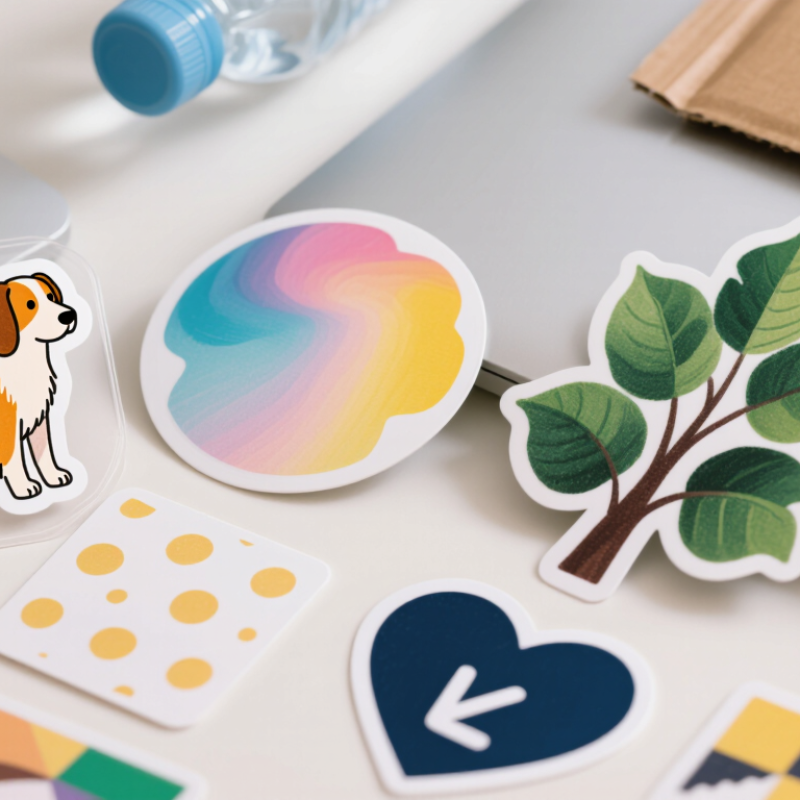
Die-cut personalized vinyl stickers remain a versatile choice for 2026. Their edges follow the artwork, making a small illustration or name feel finished without a bulky border. They suit laptops, water bottles, notebooks, and packaging. Small details matter. Keep thin lettering readable, and leave enough space around the design for clean cutting. For items handled often, a protective laminate can help reduce scratches and fading. It is still wise to check care instructions, since frequent washing and rough surfaces can shorten a sticker’s life.

Clear vinyl stickers create a lighter look on glass jars, windows, and smooth plastic. However, pale colors may nearly disappear on transparent material. A white ink layer can improve contrast, though it changes the see-through effect. Holographic vinyl adds shifting color as light moves across it; bold shapes usually show this finish better than tiny text. Matte and gloss finishes also remain popular: matte feels understated, while gloss makes colors appear brighter. Removable vinyl decals work well for temporary displays, but adhesion varies by surface and temperature. There is no perfect finish for every use. Test a sample on the intended surface before ordering a large batch.

How to Choose Stickers for Different Surfaces and Needs

Personalized vinyl stickers work best when their material and adhesive match the surface. Smooth glass, metal, and sealed plastic usually provide a reliable base. Dust, fingerprints, and cleaning residue can weaken adhesion, so wipe the area and let it dry before applying a sticker. Small step. Big difference.

For water bottles, lunch containers, or outdoor gear, look for vinyl described as water-resistant and suitable for the intended use. Check whether the print and adhesive share that rating; one may hold up better than the other. Frequent washing, heat, and abrasion can shorten a sticker’s life. Hand-washing may help, but it is not a guarantee. Curved bottles also need flexible designs without large, rigid shapes that may lift at the edges.

For laptops, notebooks, and indoor displays, finish and removal matter more than weather resistance. Matte vinyl can reduce glare, while glossy surfaces make colors look brighter. If you might remove the sticker later, check for removable adhesive and test it on a hidden spot. Not every surface reacts alike. Textured walls, soft-touch coatings, and freshly painted areas can be unpredictable, so a small test sticker is sensible. Choose lettering large enough to read at arm’s length, especially for names or short messages. A detailed design may look appealing on screen but become hard to read at a few centimeters.

What Are the Top Personalized Vinyl Stickers for 2026? — How to Choose Stickers for Different Surfaces and Needs

Sticker type Best surfaces and uses Typical durability Adhesion and removal What to consider when customizing
Permanent adhesive vinyl Smooth, clean surfaces such as glass, metal, and many plastics; suitable for equipment labels, packaging, and outdoor signs. Often suitable for long-term use. Outdoor life varies by vinyl, ink, laminate, sun exposure, and weather; check the maker’s stated rating. Designed for a strong bond. Removal may leave adhesive or require careful scraping, and can damage delicate finishes. Choose a permanent adhesive only when the sticker is not expected to be repositioned. Test on painted or coated surfaces first.
Removable adhesive vinyl Temporary labels, event signs, indoor displays, and smooth walls or windows that may need updating. Usually intended for temporary or indoor applications; heat, sunlight, and time can make removal more difficult. Formulated for easier removal than permanent vinyl, but clean removal is not guaranteed on every surface. Check the recommended application period and surface compatibility. Test an inconspicuous area before applying to painted walls.
UV-printed vinyl with a protective laminate Outdoor decals, vehicle graphics, toolboxes, and frequently handled items with smooth surfaces. A laminate can help protect printed colors from abrasion, moisture, and UV exposure. Actual lifespan depends on materials and conditions. Adhesive may be permanent or removable; the laminate protects the printed face, not the surface underneath. Useful when scratch and weather resistance matter. Confirm that the print, adhesive, and laminate are all rated for the intended exposure.
Clear vinyl Glass, clear packaging, and surfaces where a transparent background is wanted. Depends on the print and any protective coating; outdoor use should be confirmed with the printer. Available with different adhesive strengths. On glass, placement and trapped air are especially visible. White ink may be needed beneath colored artwork to keep colors opaque on transparent or dark backgrounds. Confirm how the design will look on the actual surface.
Matte vinyl Product labels, planners, indoor displays, and designs where a low-glare finish is preferred. Durability depends on the vinyl and print protection; matte surfaces may show scuffs differently from gloss finishes. Adhesion depends on the backing adhesive and receiving surface, not the matte finish alone. Reduces reflections and gives a softer appearance. Consider a laminate if the sticker will be frequently touched or exposed to moisture.
Gloss vinyl Colorful decals, product packaging, laptops, and other smooth, clean surfaces. Can be suitable for indoor or outdoor use when the vinyl and print are rated accordingly; a protective laminate may extend surface protection. Available in removable and permanent versions. Clean and dry the surface before application. Gloss can make colors appear vivid but may create reflections. Keep small text and fine details large enough to read at the finished size.
Die-cut vinyl Logos, lettering, and simple shapes applied to windows, signs, vehicles, or equipment. Determined by the vinyl, adhesive, print or color layer, and exposure conditions. Often supplied with transfer tape for positioning separate letters or shapes; application takes more care than placing a solid sticker. Works best with clean outlines and adequately sized details. Very small lettering and intricate shapes can be harder to weed and apply.
Contour-cut vinyl sticker Custom illustrations, labels, and artwork with a shaped outer edge; commonly used on notebooks, packaging, and smooth equipment. Varies with material, print protection, and indoor or outdoor exposure. Usually applied as one piece, making it simpler to place than separate cut lettering. Allow a clear border around important artwork where appropriate. Ask for a proof to check the cut line and finished dimensions.
Window vinyl decal Glass doors, shop windows, and vehicle windows, depending on the decal’s adhesive and placement instructions. Window exposure can involve strong sunlight and temperature changes; select a product specifically rated for the intended location. Some decals are made for application on the inside of glass and others on the outside. These are not interchangeable. Specify inside- or outside-glass application and whether the design should read from outdoors. Follow local visibility and vehicle-window rules.

Selection note: “Waterproof” or “weather-resistant” does not mean a sticker will perform equally well on every surface or in every climate. For the best bond, apply to a clean, dry, smooth surface and follow the product’s application and curing instructions.

Key Design and Durability Features to Compare in 2026

Personalized vinyl stickers work best when their design survives real use, not just a screen preview. In 2026, compare cut accuracy, print clarity, and material details before choosing a style. Fine lettering needs enough space; tiny lines may close up after printing. A clear proof should show the border and final size at actual scale. Ask for a sample if color matching matters. Screens can mislead.

Durability depends on more than the word “vinyl.” Check whether the surface has a protective laminate and whether the seller specifies indoor or outdoor use. For water bottles, laptops, or windows, look for resistance to moisture, sunlight, and scuffing. Adhesive strength matters too: removable stickers may lift sooner on curved bottles, while stronger adhesive can leave residue. Clean, dry surfaces usually help. Still, no sticker is indestructible; heat, dishwashers, and rough handling shorten its life.

Tips: Match the finish to the setting: matte reduces glare, while gloss makes colors pop. Test one sticker first. Check its edges after a few days, especially around bends and corners.

I sometimes overvalue a crisp mockup; actual color and peel behavior deserve equal attention.