10 Best Sticker Paper Suppliers for Global Buyers
Choosing the right Sticker Paper supplier can shape print quality, delivery speed, and customer satisfaction. Global buyers often compare more than price. They examine coating, adhesive strength, sheet size, packaging, certifications, and production consistency. A glossy label may look attractive under showroom lights, yet perform poorly on a cold jar or rough cardboard box. These details matter during real production.
This guide reviews ten Sticker Paper suppliers serving international customers. It considers manufacturing experience, product range, sample support, export capability, and communication quality. We also look at practical issues, including minimum order quantities, custom sizes, moisture resistance, and compatibility with inkjet or laser printers. Supplier claims are useful, but physical samples remain essential. They reveal curling, color absorption, cutting accuracy, and backing-paper performance.
No supplier fits every buyer.
A small retailer may need flexible quantities and fast replies. A packaging distributor may prioritize stable monthly output and pallet protection. Some suppliers appear strong online but provide limited technical data. Others have modest websites yet offer dependable factory support. That difference deserves attention. Rankings can also change as pricing, capacity, and regional shipping conditions shift. Buyers should treat this list as a professional starting point, not a final purchasing decision. Request current specifications, test samples, production photographs, and clear commercial terms before placing an order. A careful comparison can reduce waste, prevent delayed launches, and build a more reliable international sourcing process.
Sticker Paper: Definition, Types, and Key Global Applications
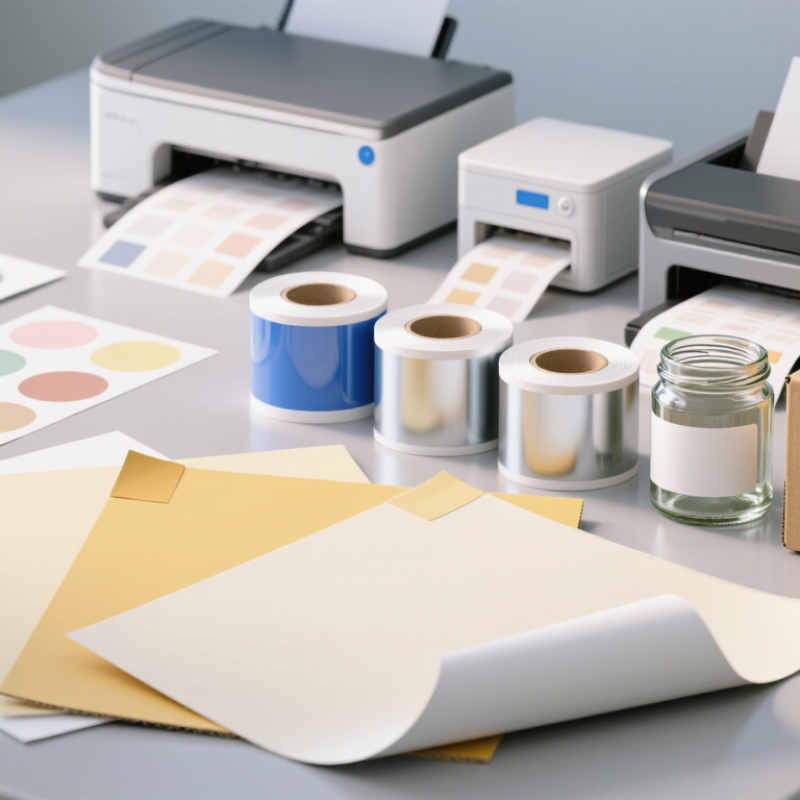
Sticker paper is a printable face material combined with an adhesive backing and release liner. It supports product identification, decoration, tracking, and short-form information. The term is broader than ordinary office label sheets. It includes coated paper, uncoated paper, thermal paper, and synthetic films with paper-like printing performance.
Common types serve different conditions. Permanent adhesive suits cartons, jars, and shipping labels. Removable adhesive supports temporary displays and reusable containers. Freezer-grade adhesive handles condensation and low temperatures.
Coated paper gives sharper color, while uncoated stock offers a softer, natural texture. Synthetic PP and PET resist water, abrasion, and oil, although they usually cost more. Paper remains practical for dry indoor use. It fails faster in moisture.
Demand is closely connected with packaging and retail activity. Grand View Research estimated the global self-adhesive labels market at about USD 51.6 billion in 2023, with a projected 5.8% CAGR from 2024 to 2030. Smithers also identifies packaging, logistics, and variable-data printing as major growth areas in global label production.
These figures do not describe sticker paper alone, so buyers should avoid treating them as direct paper-market values. That distinction matters. In real sourcing, print quality, adhesive behavior, roll stability, and recycling requirements often matter more than a low unit price.
A label that curls on a cold bottle is not economical. Suppliers should provide technical data, application samples, and reliable batch records before large-scale purchasing.
How to Evaluate Sticker Paper Suppliers for International Purchasing
Choosing among the 10 best sticker paper suppliers requires more than comparing unit prices. Request samples with different finishes, adhesives, and paper weights. Test them on glass, cardboard, plastic, and painted surfaces. Check peeling after 24 hours and after one week. A supplier’s technical team should explain coating limits clearly. Vague answers are warning signs.
Ask for recent test reports covering moisture resistance, print compatibility, and adhesive performance. Confirm whether documents come from an independent laboratory. Review production experience with your required sheet size, roll width, and printing method. Reliable suppliers provide stable specifications, realistic lead times, and traceable batch information. They should also explain minimum order quantities, export packaging, payment stages, and shipping terms in writing.
Inspect the sample packaging carefully. Crushed corners can reveal weak protection before the shipment arrives. Compare the quoted specification with the delivered material, not just the catalog image. I once treated a low price as a major advantage, but extra trimming and delayed production removed the savings. That judgment was too simple. Keep communication records and request a small trial order before scaling up. A professional supplier accepts reasonable questions, admits technical limits, and suggests practical alternatives. Trust grows slowly.
Top 10 Sticker Paper Suppliers for Different Buyer Requirements
Choosing among the 10 best sticker paper suppliers depends on the buyer’s actual production needs, not only the quoted price. Large retailers often need bulk converters with stable roll widths, consistent coating, and export-ready packaging. Small businesses may prefer short-run suppliers that accept lower minimum orders. This reduces unused stock and protects cash flow.
Waterproof label buyers should check coating performance after soaking, rubbing, and refrigeration. Eco-conscious purchasers can request recycled or responsibly sourced paper documents. Thermal-sensitive applications need suppliers with controlled adhesive tests. Removable stickers require clean peeling from glass, plastic, or painted surfaces. Industrial users may need thicker stock, stronger adhesives, and batch traceability. Custom die-cut buyers should review cutting accuracy through physical samples.
Other suitable suppliers include rapid sample specialists, digital-print paper producers, and logistics-focused exporters. Ask each supplier for GSM, face-stock thickness, liner type, adhesive temperature range, and storage guidance. A real sample tells more than a polished catalog. I once underestimated humidity; the paper curled before printing. That mistake still matters.
Reliable suppliers explain tolerances, inspection steps, replacement policies, and shipping limits clearly. They should provide recent test data, not vague promises. Compare three samples under the same printer settings. Check color absorption, edge lifting, liner release, and package damage. Prices may look attractive, but inconsistent rolls create hidden labor costs. No supplier fits every requirement, and some “eco” options still need better moisture resistance.
10 Best Sticker Paper Suppliers for Global Buyers
Top 10 sticker paper requirements by typical face-stock basis weight
The chart compares common sticker paper applications using indicative face-stock basis weights. Lightweight stocks are generally preferred for shipping and barcode labels, while heavier stocks are commonly selected for premium packaging, craft, and promotional applications. Final specifications should also consider adhesive type, printing method, finish, durability, and storage conditions.
Global Ordering Factors: Pricing, Shipping, Compliance, and Support
Global buyers should compare sticker paper suppliers by landed cost, not unit price alone. A low quotation may exclude cutting fees, export packing, insurance, or destination taxes. Request pricing for the exact size, sheet count, paper weight, adhesive type, and coating. A 100-sheet sample pack can reveal curl, surface texture, and printer compatibility before a large order.
Shipping needs equal attention. Ask whether the quotation uses FOB, CIF, DAP, or another defined term. Confirm carton dimensions, pallet limits, transit time, and tracking procedures. Moisture protection matters. Paper can arrive with softened edges after a humid ocean journey. Air freight is faster, but its cost can change the entire margin. I have seen buyers focus too heavily on factory pricing and overlook storage charges at arrival.
Compliance should be checked for the destination market and intended use. Request material specifications, adhesive information, test reports, and applicable declarations. Do not assume one document covers every country. Support quality is also measurable: response time, sample accuracy, language clarity, and after-sales handling deserve written confirmation. A dependable supplier should explain production tolerances instead of promising perfection. No checklist is perfect. Small print tests may still miss seasonal humidity problems, so repeat testing during major orders is sensible. Clear artwork approval, batch records, and replacement terms can prevent expensive misunderstandings.


 +86-15362608169