+86-15362608169
For global buyers, a Thermal Sticker is more than a small adhesive label. It is a practical tool for identification, inventory control, shipping, and retail presentation. When printed on demand, it can produce clear text, barcodes, prices, and batch details without ink cartridges. That reduces preparation time at busy packing tables.
Dr. Elena Marquez, a packaging-materials engineer, explains, “A reliable Thermal Sticker should remain readable from the production line to the customer’s hands.” Her point is simple, but often overlooked. Buyers must examine adhesive strength, surface compatibility, roll dimensions, printer performance, and storage conditions. A label that works on cardboard may fail on cold plastic or dusty packaging. Small details matter.
Global purchasing also requires dependable communication. Specifications should state core size, roll direction, material type, printing method, and temperature range. Suppliers should provide samples before large orders. This step exposes curling, fading, weak adhesion, or poor barcode contrast early. It saves money, usually.
Still, Thermal Sticker selection is not effortless. Direct thermal material may darken under heat, sunlight, or friction. That limitation deserves attention, especially for long-distance shipping and warehouse storage. Some buyers choose the lowest price and later face relabeling costs. I have seen this decision create unnecessary waste.
A trustworthy supplier supports testing, consistent production, and clear documentation. Certifications can strengthen confidence, but they do not replace real-world trials. The best choice depends on the product, route, printer, and handling environment. For global buyers, reliable performance matters more than impressive claims. A good Thermal Sticker simply works when the shipment is moving.

A thermal sticker is a pressure-sensitive label printed through controlled heat. Its coated surface darkens when heated by a thermal printhead. No ink cartridge is required. No ribbon is needed.
This process supports shipping labels, warehouse bins, receipts, and product identification. A printer can create a readable label within seconds. The result is usually crisp, lightweight, and easy to apply. Picture a 100 × 150 mm parcel label leaving a printer with a barcode ready for scanning.
Industry data reflects this practical demand. Grand View Research estimates the global thermal labels market reached approximately USD 4.7 billion in 2023. It also projects steady growth through 2030. MarketsandMarkets forecasts the wider thermal printing market to grow from about USD 46 billion in 2023 to over USD 60 billion by 2028. These figures suggest strong adoption across logistics, retail, healthcare, and manufacturing.
Still, thermal stickers are not flawless. Direct thermal surfaces may fade under sunlight, heat, moisture, or long storage. That matters for export cartons kept outdoors or in humid warehouses. Buyers should check adhesive strength, coating durability, barcode contrast, and storage conditions. A cheaper sticker can become expensive when scanners reject it. Thermal technology is efficient, but application details still decide reliability.
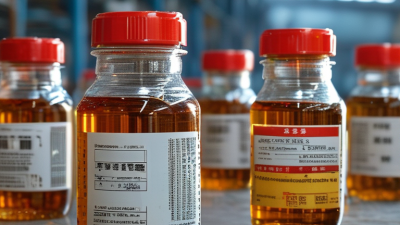
A thermal sticker reacts to controlled heat from a printhead. Direct thermal material contains heat-sensitive chemicals in its coating. Dark marks appear where heated pixels touch the surface. No ink cartridge is required. The process is quick, clean, and useful for shipping labels, receipts, and short-term inventory tags. A 2024 Fortune Business Insights report valued the global thermal printing market at approximately USD 46.27 billion in 2023. That scale reflects continuing demand for fast, readable identification.
Thermal transfer stickers work differently. Heat moves ink from a ribbon onto the label surface. This method generally offers stronger resistance to moisture, abrasion, sunlight, and temperature changes. Smithers’ report, The Future of Thermal Printing to 2028, identifies logistics, retail, and manufacturing as important application areas.
In practical testing, a direct thermal label may fade inside a hot vehicle or near a window. It is not foolproof. A thermal transfer label can last longer, but it creates ribbon waste and adds material cost. Choosing the wrong surface is a common mistake. A rough carton, glossy package, or cold warehouse can reduce print clarity. Testing adhesion, contrast, and durability under actual shipping conditions remains necessary. Small details matter.
For global buyers, thermal stickers offer fast, clean, and flexible labeling. Direct thermal options print without ink cartridges or ribbons, reducing supply issues across borders. They work well for shipping labels, barcodes, batch details, and short-term inventory marks. Clear black contrast helps scanners read information during warehouse handling. Their lightweight rolls also reduce storage space and freight weight.
Material selection still matters. Paper stickers suit dry indoor environments, while synthetic materials resist moisture, friction, and moderate temperature changes. Buyers should check adhesive strength, roll size, printer compatibility, and expected label life before ordering. A label that performs well in a climate-controlled warehouse may fail on a humid loading dock. This is an easy detail to overlook.
Tips: Request samples before placing a large order. Test printing speed, barcode readability, adhesive performance, and exposure to heat or moisture. Keep product specifications, safety documents, and country-specific packaging requirements on file. Avoid assuming that one sticker material fits every market. It may not. Thermal labels can fade under strong light or heat, especially when used for long-term records. For permanent identification, thermal transfer materials may provide better durability. Global buyers should compare total operating cost, not only the sticker price. A cheaper roll can create reprinting, delays, and scanning errors later.
Thermal stickers create readable labels without liquid ink. Their clean printing process suits warehouses, stores, clinics, and small production sites.
Direct thermal stickers react to heat from the printhead. They work well for shipping labels, receipts, shelf tags, and short-term inventory marks.
These labels are simple to operate. However, sunlight, heat, and friction may gradually darken the printed surface.
Thermal transfer stickers use a heated ribbon to transfer durable ink onto the material. They suit product identification, equipment tracking, cable marking, and storage bins that need longer service life.
Different face materials support different conditions. Paper works for ordinary indoor use. Synthetic materials handle moisture better. Freezer-grade versions remain readable on cold packages, although poor application can cause lifting edges.
Material choice matters. Test adhesion on the actual surface first. A dusty carton can weaken even a strong adhesive. Curved containers may need flexible stock.
Small text also needs careful testing. It can look sharp on screen but blur during fast printing.
In my experience, buyers often focus on printer compatibility and overlook storage temperature. That mistake is expensive.
Label performance depends on the printer, adhesive, surface, and working environment together. There is no universal thermal sticker. Practical trials still matter.
Choosing the right thermal sticker supplier starts with material quality, not a catalog photo. Ask for samples printed with your actual labels, font sizes, and storage conditions. A warehouse test can reveal fading after sunlight, dust, or repeated handling. Small tests matter. Experienced suppliers should explain face stock, adhesive strength, coating, and core sizes clearly. They should also provide batch records and practical production tolerances. Vague answers deserve a second look.
Check whether the supplier understands your equipment. A sticker may look excellent but jam inside a fast printer. Confirm roll width, winding direction, gap accuracy, and maximum print speed before ordering. Request trial rolls for low-temperature rooms and humid loading areas. Adhesive performance can change on cardboard, plastic, or uneven cartons. Ask how rejected batches are handled, and read replacement terms carefully. Reliable communication helps, although it never replaces inspection.
Compare lead times using recent production evidence, not optimistic promises. Ask for inspection photos, test reports, and a clear approval process before mass production. A responsible supplier will admit where performance is uncertain. That honesty helps. Still, buyers should keep retained samples from each shipment and record printer settings. This habit makes later disputes easier to investigate. Price matters, but cheaper rolls can cost more through reprints, downtime, and damaged identification. Review the supplier after every order, including problems nobody wants to discuss.
| Evaluation Dimension | Practical Specification or Benchmark | Why It Matters to Global Buyers | What to Verify with the Supplier |
|---|---|---|---|
| Printing Technology | Direct thermal for short-term labels; thermal transfer for longer-lasting labels and demanding environments. | The correct technology helps control equipment costs, print quality, and label service life. | Ask for application samples printed with the intended printer, ribbon, speed, and darkness settings. |
| Label Material | Paper for standard indoor use; synthetic films such as PP or PET for moisture, abrasion, or chemical resistance. | Material selection affects durability, appearance, converting performance, and total cost. | Confirm face-stock thickness, coating, opacity, tear resistance, and compatibility with the intended surface. |
| Adhesive Type | Permanent, removable, freezer-grade, or high-temperature adhesive selected according to the application. | Adhesive performance determines whether labels stay attached, remove cleanly, or remain reliable in cold conditions. | Request peel, shear, temperature, and surface-compatibility test results for the actual substrate. |
| Operating Temperature | Define application and service temperatures separately; freezer applications may require adhesives rated below 0°C. | A label can fail during application even when its long-term temperature rating appears suitable. | Obtain the minimum application temperature, service range, and test method shown on the technical data sheet. |
| Print Durability | Evaluate resistance to heat, light, moisture, abrasion, oils, and cleaning chemicals based on the end use. | Durable print supports scanning, traceability, inventory control, and regulatory identification. | Request accelerated aging or application-specific test data rather than relying only on general claims. |
| Barcode Performance | Use suitable barcode dimensions, contrast, quiet zones, and print resolution for the selected symbology. | Readable barcodes reduce scanning errors and improve warehouse and shipping efficiency. | Test the final label with the buyer’s scanners and verify readability after transport, handling, and storage. |
| Printer Compatibility | Confirm printer type, print width, core size, roll diameter, gap or mark sensing, and media orientation. | Correct specifications prevent feeding faults, misalignment, wasted labels, and production downtime. | Supply a printer configuration sheet and approve a production-equivalent trial roll before mass production. |
| Dimensional Accuracy | Control label width, height, gap, corner radius, liner width, core diameter, and roll winding direction. | Tight dimensional control is essential for automated dispensing and high-speed labeling. | Review approved drawings, dimensional tolerances, inspection records, and first-article samples. |
| Regulatory and Product Documents | Documentation may include technical data sheets, safety data sheets, declarations, and food-contact statements where applicable. | Document availability supports customs clearance, customer audits, and market-specific compliance reviews. | Check document scope, issue date, test standard, material composition, and whether the documents cover the exact product. |
| Quality Control | Use incoming-material checks, in-process inspections, barcode verification, roll inspection, and final sampling. | A defined quality system reduces variation between batches and improves supply continuity. | Ask for inspection plans, traceability records, nonconformance procedures, and sample quality reports. |
| Storage and Shelf Life | Store rolls in their original packaging in a clean, dry environment; follow the supplier’s specified temperature, humidity, and shelf-life limits. | Improper storage can cause curling, adhesive migration, blocking, and reduced print performance. | Request recommended storage conditions, shelf-life guidance, packaging details, and FIFO handling instructions. |
| Customization Capability | Support may include custom sizes, shapes, perforations, colors, pre-printing, variable data, and special liners. | Customization can improve workflow efficiency and reduce relabeling or manual handling. | Confirm artwork controls, proofing procedures, color tolerances, tooling charges, and change-management rules. |
| Minimum Order Quantity | Compare minimum order quantity with forecast demand, product variants, and expected inventory turnover. | A suitable order quantity balances unit price against cash flow, storage space, and obsolescence risk. | Request pricing at several volume levels and clarify setup fees, split shipments, and mixed-size ordering options. |
| Lead Time and Capacity | Evaluate sample lead time, production lead time, peak-season capacity, and replenishment capability. | Reliable delivery is critical for international supply chains and avoids production interruptions. | Obtain a written schedule, capacity overview, production calendar, and escalation process for delays. |
| Packaging and Export Handling | Use moisture-resistant, crush-resistant packaging with clear roll identification and pallet protection. | Appropriate packaging helps protect adhesive, liner, roll shape, and print surfaces during international transport. | Confirm carton markings, pallet dimensions, net and gross weights, packing list accuracy, and export documents. |
| Total Cost of Ownership | Compare label price, printing consumables, waste rate, freight, duties, storage, downtime, and replacement costs. | The lowest unit price may not provide the lowest overall operating cost. | Request a complete landed-cost comparison and calculate cost per usable, successfully scanned label. |