

 +86-15362608169


Industry News





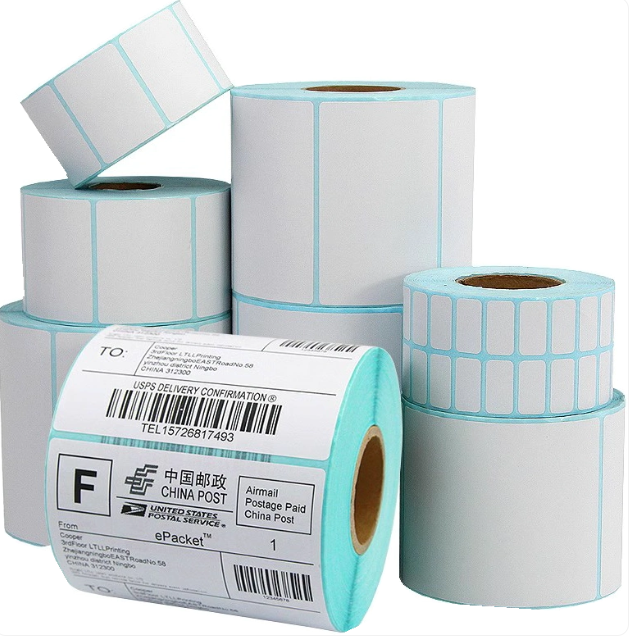
2026 Global FCM Regulation Update for Food Packaging Labels
2026-06-18
Major 2026 FCM Regulatory Revisions for Food Packaging Labels
1. Stricter Restrictions on Hazardous Substances
EU updated Regulation (EU) 2026/245 expands the banned substance list for all food contact labels, tightening limits on BPA, heavy metals and NIAS (non-intentionally added substances) in adhesives and printing inks. Meanwhile, the US FDA updated 21 CFR standards to mirror EU FCM rules, requiring full migration testing for every batch of waterproof, oilproof and low-temperature resistant food grade labels. All materials used in direct-contact food packaging labels must submit complete DoC (Declaration of Conformity) certification for customs inspection.
2. Global PFAS Ban Takes Full Effect in Label Production
A core highlight of the 2026 Global FCM regulation is the universal ban on PFAS coatings for all FCM compliant labels. Traditional oil-repellent PFAS treatments are eliminated from raw material lists. Brands that supply frozen meat, seafood and takeaway packaging need to switch to PFAS-free mono-material substrates.
3. Mandatory Traceability & Unified Label Markings
New FCM rules demand traceable raw material records for every roll of food packaging labels. All certified products must print a unified food-contact pictogram and mark applicable temperature ranges. Australian FSANZ also launched mandatory nutrition star labeling schemes under local FCM frameworks, raising requirements for custom printed retail stickers. For cold chain scenarios, specialized must pass extra condensation-resistance testing to meet global FCM standards.
4. Harmonized Testing Standards Across Regions
Before 2026, EU LFGB, FDA and GB 4806 testing standards existed separately. The updated Global FCM regulation unifies migration test conditions for refrigerated, frozen and high-temperature food scenarios. Suppliers can now provide one universal test report valid for most Western and Asian markets, cutting repeated certification costs for cross-border food brands.
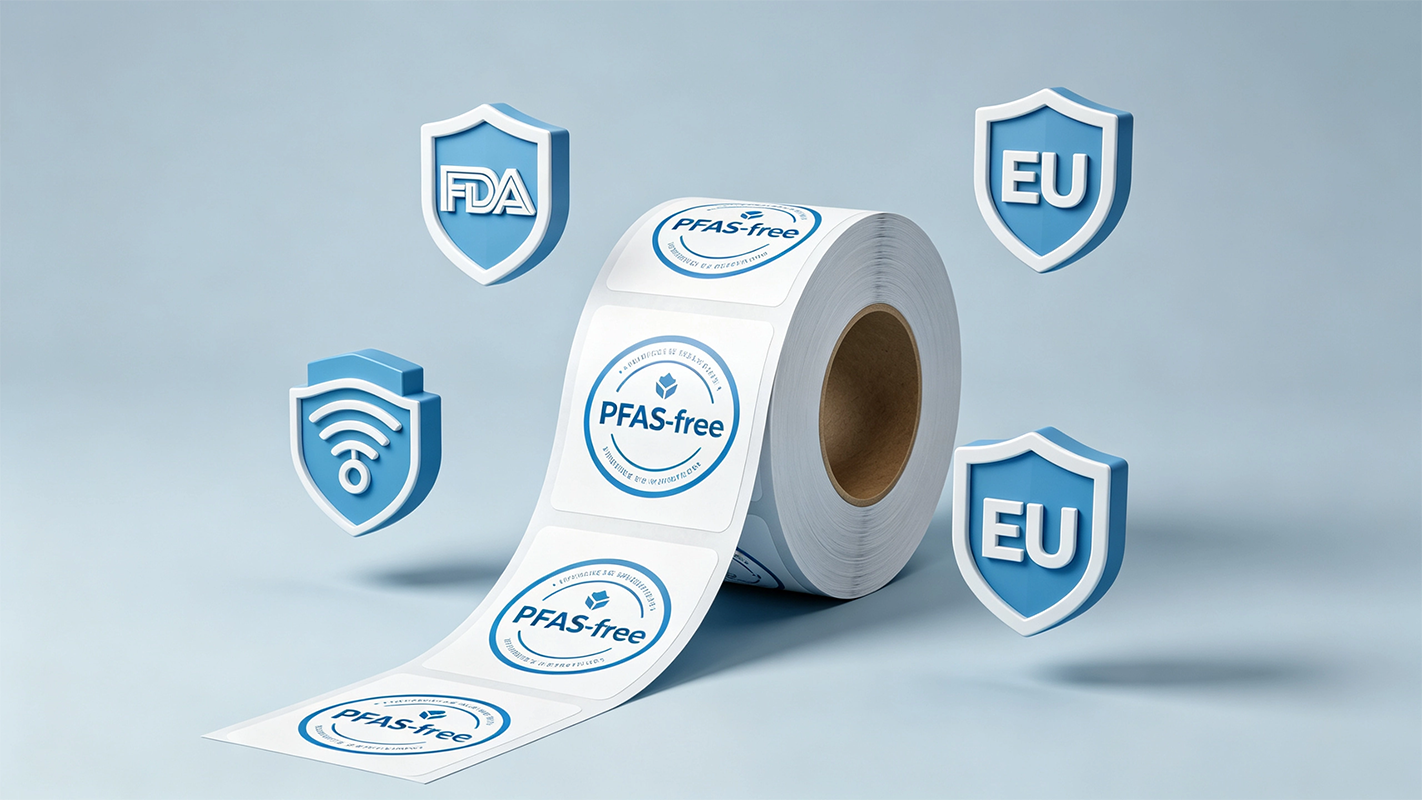
Risks of Non-Compliant Food Grade Labels
Many small label factories still use untested cheap glue or non-food-grade ink, which violates the 2026 Global FCM regulation. Once inspection fails, entire shipments of food packaging labels will be rejected at ports, delaying launch schedules and damaging brand reputation. European buyers now only cooperate with factories capable of supplying full sets of FCM test reports for all FCM compliant labels.
Our FCM-Compliant Food Packaging Label Solutions
As a professional custom label manufacturer, Juncheng Printing fully upgrades all production lines to match the 2026 Global FCM regulation:
·
All our food grade labels adopt PFAS-free, low-migration adhesives and soy-based printing inks
·
Complete FDA, EU FCM and LFGB certification with full batch traceability documents
·
Customizable for frozen, chilled, takeaway and dry food packaging
·
Independent lab testing for waterproof, oilproof and cold storage performance before mass production
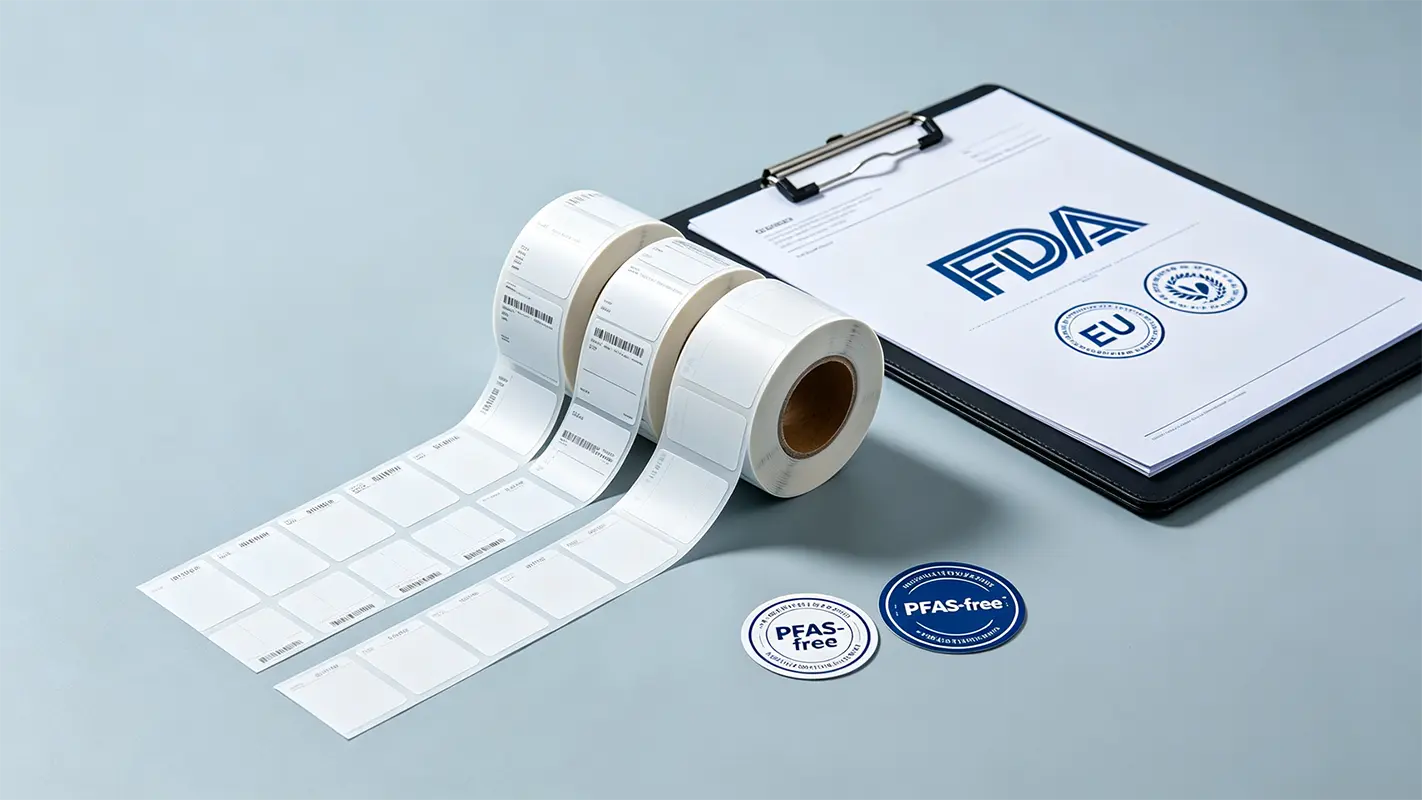
Conclusion & CTA
The window to upgrade your packaging stickers for the 2026 Global FCM regulation is closing fast.
If you are sourcing reliable, certified FCM compliant labels for global food export business, contact our team today.
We provide free material compliance consultation and sample testing to ensure your food packaging labels pass all international FCM inspections smoothly.