China Top Food Label Stickers for Quality Assurance and Branding?
In the bustling food market of China, quality assurance is paramount. One critical component in establishing trust with consumers is through effective food label stickers. These stickers communicate essential information, from ingredients to nutritional facts, ensuring transparency.
Food label stickers serve a dual purpose. They not only guarantee that products meet safety standards but also enhance branding. A well-designed sticker can catch a buyer's eye, boosting sales. Many manufacturers struggle to balance these aspects, which calls for expertise in design and compliance.
Understanding the significance of food label stickers is vital for businesses. Misleading information can damage a brand's reputation. Thus, companies must invest in reliable labeling solutions. However, this is an ongoing challenge as regulations evolve and consumer expectations rise. By embracing quality-driven labeling, brands can foster trust in a competitive marketplace.
China's Food Labeling Regulations: Overview and Key Requirements
In China, food labeling regulations are crucial for ensuring product quality and consumer trust. The country’s Food Safety Law mandates clear and accurate labeling. According to a 2022 report by the China Academy of Food Sciences, non-compliance rates for food labeling were at 18%. This shows a significant area for improvement in the industry.
Key requirements include ingredient lists, nutritional information, and expiration dates. These details help consumers make informed choices. A study from the China National Center for Food Safety Risk Assessment revealed that 75% of consumers rely on labels for safety assurances. However, many labels often lack critical information, leaving consumers in the dark.
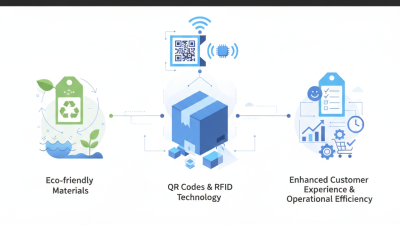
Moreover, there is a growing trend towards using QR codes on packaging. This allows consumers to access additional information about the product. Yet, research indicates that only 40% of food companies have adopted this technology. The need for better integration of these features highlights a gap that can enhance food safety and branding in the Chinese market.
China Top Food Label Stickers for Quality Assurance
Impact of Label Stickers on Consumer Trust and Brand Loyalty in China
In China, label stickers have become a crucial element in food quality assurance. They play a vital role in shaping consumer trust and brand loyalty. Consumers often associate high-quality labels with the authenticity and safety of products. This perception can significantly influence their purchasing decisions.
The design and information presented on label stickers are essential. Attractive designs grab attention. Clear information fosters confidence. However, some brands may overlook the importance of transparency. Vague claims or excessive marketing jargon can lead to mistrust. Such practices may backfire, damaging a brand’s reputation. Consumers value honesty above all.
Tips for effective label stickers:
- Use straightforward language.
- Highlight key ingredients and certifications.
- Ensure the label resonates with your target audience.
- Regularly review and update your labels. This keeps information relevant and accurate.
- Pay attention to consumer feedback, reflecting on areas needing improvement.
Striving for perfection often leads to better trust and loyalty.
Market Trends: Growth of Quality Assurance Labels in Chinese Food Industry
In recent years, the Chinese food industry has experienced significant growth in the demand for quality assurance labels. A report from the China Food Industry Association reveals that the market for food quality labels is expected to reach $1.5 billion by 2025. This surge is driven by increasing consumer awareness of food safety and quality. Quality assurance stickers help build trust between producers and consumers. These labels serve as a guarantee that the products meet established safety standards.
The trend reflects a broader shift in consumer behavior. A survey by the National Institute of Standards and Technology found that 78% of Chinese consumers now consider food labels essential for making informed choices. Transparency surrounding food sourcing and production is a priority. However, not all labels convey the same level of trust. Some manufacturers may exaggerate claims or misuse certifications. This inconsistency can lead to confusion among consumers.
Tips: Look for third-party certifications. These are often more reliable than self-made labels. Also, consider the brand's reputation. A history of transparency can be a good indicator of quality. In a crowded market, being skeptical about labels is wise. Strive for informed purchasing to ensure safety and quality.
China Top Food Label Stickers for Quality Assurance and Branding
| Label Type |
Purpose |
Growth Rate (2020-2023) |
Market Share (%) |
| Organic Certification |
Assures organic production methods |
15% |
25% |
| Non-GMO Verified |
Ensures no genetically modified ingredients |
12% |
18% |
| Halal Certification |
Complies with Islamic dietary laws |
10% |
15% |
| Kosher Certification |
Meets Jewish dietary laws |
8% |
10% |
| Smart Label |
Digital information via QR codes |
20% |
8% |
Case Studies: Successful Branding Strategies Using Food Label Stickers
In the realm of food branding, label stickers play a pivotal role. They serve as the first point of contact between a product and its potential consumer. Many brands have successfully utilized stickers to create an emotional connection. A well-designed sticker can evoke trust and quality. The vibrant colors, unique typography, and eye-catching graphics all contribute to a memorable brand image.
Case studies reveal a range of effective strategies. One notable approach involves using eco-friendly materials for label stickers. This not only showcases commitment to sustainability but also resonates with environmentally conscious consumers. Another strategy is incorporating QR codes on labels. This tech-savvy move allows consumers to access detailed product information easily. However, some brands struggle with maintaining consistent messaging through their branding elements. Misalignment between label designs and overall brand identity can lead to consumer confusion.
Reflecting on these strategies prompts fascinating insights. Quality assurance messaging on labels can enhance credibility. But, if it comes off as gimmicky, it may backfire. Balancing vibrant designs with clear, informative content remains a challenge. Consistency is key, yet many brands find this difficult to achieve. Understanding consumer preferences and evolving expectations is crucial for long-term success.
Future Innovations: The Role of Technology in Food Labeling Solutions
The food labeling industry is evolving rapidly, driven by advancements in technology. One significant innovation is the integration of digital labels. These labels can update information in real time. They enhance transparency and track food products from farm to table. According to a recent report by ResearchAndMarkets, the global smart labels market is expected to reach $35 billion by 2025. This growth indicates a clear demand for smarter solutions.
Another key advancement is the use of blockchain technology. It provides an immutable record of food sources and safety measures. A study from IBM notes that 66% of consumers want more transparency in food sourcing. This demand pressures brands to adopt such technologies. However, many companies still struggle with implementation. Integrating blockchain not only requires investment but also employee training.
Sustainability is becoming crucial, too. Eco-friendly materials for labels can reduce waste. While many companies are attempting this transition, challenges remain. Balancing cost and sustainability invites criticism. Experts warn that some companies may choose cheaper, less sustainable options to cut costs. It's a call for reflection on genuine commitments to innovation and sustainability in food labeling.


 +86-15362608169